
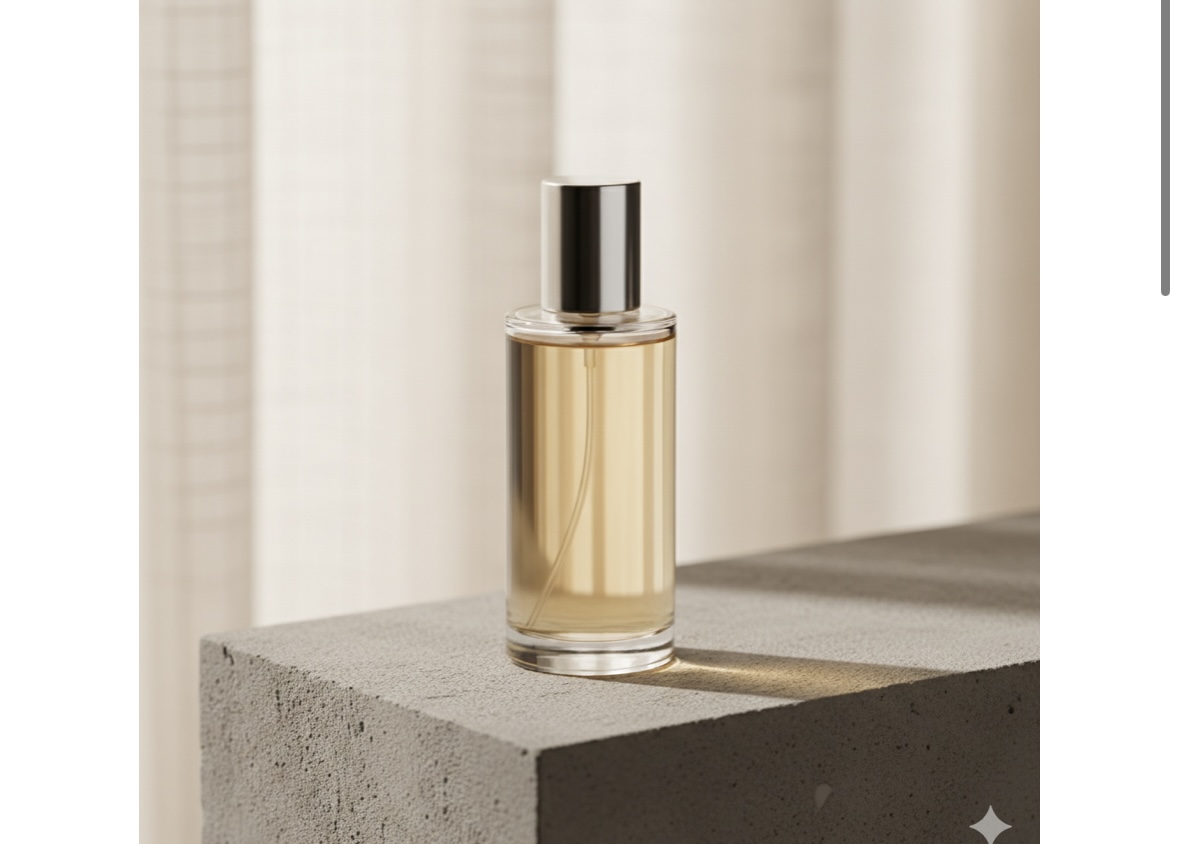
That gorgeous crystal bottle sitting on your vanity, the one that cost three months of coffee money, might be hiding a truth the fragrance industry doesn’t want you to know. Behind the gleaming counters, celebrity endorsements, and promises of sophistication lies a reality that would make most perfume lovers pause before their next purchase. The secret isn’t about what’s inside the bottle—it’s about everything surrounding it, from manufacturing costs to marketing manipulation, and understanding this could fundamentally change how you buy perfume for women forever.

The Markup That Would Make Your Head Spin

Let’s start with the most shocking revelation: the actual liquid inside that luxury perfume bottle typically costs between three to fifteen dollars to produce. Yes, even that designer perfume for women with the two-hundred-dollar price tag. The beautiful glass bottle, packaging, and presentation materials might add another ten to twenty dollars. So where does the rest of your money go?
Marketing, prestige, and profit margins—in that order. Luxury fragrance houses spend astronomical amounts on advertising campaigns, celebrity partnerships, department store placement, and brand positioning. When you see a famous actress floating through a dreamlike commercial, that thirty-second spot cost millions to produce and millions more to air. Every magazine advertisement, every influencer partnership, every perfume counter display—all of it gets factored into the price you pay at checkout.
The markup on luxury fragrances typically ranges from 300% to 1200%. This isn’t necessarily exploitation; it’s simply how the luxury goods industry operates. You’re not just buying a scent—you’re buying into a brand narrative, a lifestyle aspiration, an identity. The fragrance houses know this, and they’ve perfected the art of making you want to be part of their story.
The Reformulation Game Nobody Talks About
Here’s another secret that long-time perfume enthusiasts whisper about in online forums: your favorite classic fragrance probably isn’t the same formula it was ten or twenty years ago. Fragrance houses regularly reformulate their perfumes, often without announcement, due to ingredient restrictions, cost-cutting measures, or supply chain issues.
Natural ingredients like oakmoss, certain musks, and various animal-derived materials have faced regulatory restrictions over the years. When these ingredients disappear from formulas, perfumers must find substitutes, fundamentally altering the scent profile. Sometimes the changes are subtle; other times, devoted fans notice immediately that their signature scent smells “off” compared to the bottle they bought years ago.
Cost reduction drives many reformulations too. As brands get acquired by larger conglomerates focused on profit margins, expensive natural ingredients often get replaced with cheaper synthetic alternatives. The bottle looks the same, the marketing remains unchanged, but the liquid inside has been quietly altered. The fragrance industry isn’t required to announce these changes, and they rarely do, hoping customers won’t notice or will attribute differences to their own changing perceptions.
The Myth of Exclusivity and Limited Editions
“Limited edition” and “exclusive” are perhaps the most overused and misleading terms in perfumery. That special holiday release marketed as rare and collectible? It’s often produced in massive quantities and will likely reappear in slightly different packaging next year. The “exclusive” department store fragrance? It might be truly exclusive to that retailer, but similar formulations appear under different names across various brands owned by the same parent company.
The fragrance industry has mastered the art of creating artificial scarcity to drive purchases. By labeling something as limited, they trigger fear of missing out, convincing you to buy now rather than wait. In reality, truly limited fragrances are exceptionally rare and typically come from niche or artisan perfumers, not major luxury houses producing thousands of bottles.
Designer collaborations and celebrity fragrances operate similarly. The celebrity’s actual involvement often extends to nothing more than approving a name and showing up for a photo shoot. The scent itself is developed by the same pool of professional perfumers who work across hundreds of brands, often using similar formulas with slight variations. That signature celebrity fragrance has more in common with a twenty-dollar drugstore perfume than most people realize.
Walk into any department store perfume section and you’re entering a carefully orchestrated theater. Those gleaming counters, attentive sales associates, and elegant testers aren’t neutral shopping experiences—they’re psychological selling machines designed to separate you from your money as efficiently as possible.
Sales associates work on commission and receive intensive training not just about products but about sales techniques. They’re taught to anchor your expectations high by showing you the most expensive options first, making mid-range options seem reasonable by comparison. They’ll spray multiple fragrances, knowing that olfactory fatigue will set in, making it harder for you to make rational comparisons. The strategic placement of coffee beans at counters—supposedly to “cleanse your palate”—is mostly theatrical; your nose needs real breaks, not a sniff of coffee.
Many luxury brands also offer “gifts with purchase” that seem generous but are actually calculated into profit margins. That free makeup bag and samples? They cost the company pennies to produce and serve as advertising for other products they want you to buy.
Understanding these secrets doesn’t mean you should stop buying perfume for women you love. Instead, it means you can make informed decisions that serve your interests rather than marketing departments. Consider exploring niche fragrances where more of your money goes toward actual ingredients. Buy from brands transparent about their practices. Test perfumes extensively before committing. And remember that the most expensive bottle isn’t necessarily the best—sometimes that affordable fragrance you hesitated over might bring you more joy than a prestigious name ever could.
The fragrance industry relies on mystique and aspiration, but armed with knowledge, you can enjoy perfume on your own terms, seeing through the marketing to find scents that genuinely resonate with who you are rather than who advertisements tell you to be.
👉 Click here to read the latest Gujarat news on TheLiveAhmedabad.com