
From winter stiffness to robotic surgery, how families in Vidarbha are discovering safer, faster and more comfortable solutions for knee pain.

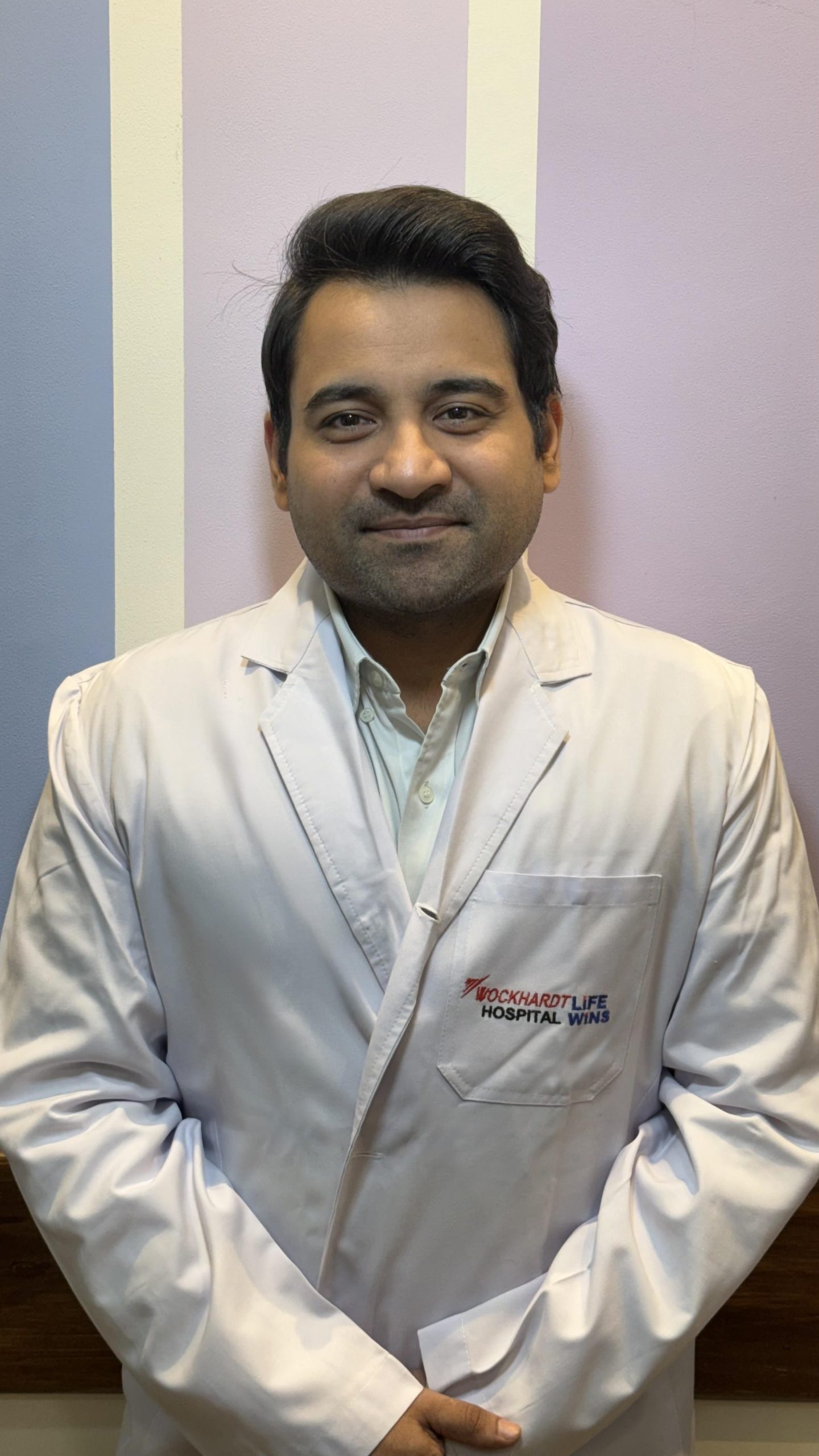
Authored by, Dr. Mukund Agrawal, Consultant Robotic Joint Replacement Surgeon, Wockhardt Hospital, Nagpur

Every winter in Nagpur and across the Vidarbha region, I notice a gentle but unmistakable rise in the number of senior citizens who walk into my clinic with increased knee and hip pain. It usually starts the same way—with a hesitant smile, a slower walk, and the familiar line I hear almost every day: “Doctor, thand padli ki ghutne chalvech nahi. Will I ever get back to normal?”
These are not just routine consultations. Each patient brings a story, a concern, and a silent fear that their mobility may never return. One such patient, a 72-year-old woman from Katol, shared that she had stopped going for her morning temple visits because her knees felt “frozen” the moment winter arrived. Her words stayed with me because winter doesn’t merely affect joints—it affects confidence, independence, and daily routine.
Cold weather naturally stiffens the tissues around the joints, reduces lubrication, and increases discomfort, especially for those already dealing with arthritis or age-related wear and tear. Even a slight drop in temperature can make simple tasks—like getting up from bed, climbing stairs, or walking to the market—feel challenging. Many elderly people in Vidarbha quietly reduce their movement during winter, thinking rest will help. Unfortunately, the opposite happens. Less movement leads to more stiffness, weaker muscles, and an even higher fear of falling.
What worries families the most is the emotional impact. Seniors who were once independent start depending on their loved ones for basic activities. They avoid social gatherings, skip evening walks, or give up hobbies they once enjoyed. I often say that knee pain doesn’t just hurt the joint—it hurts the spirit.
The positive change Nagpur is witnessing today is the growing awareness and acceptance of advanced treatment options. People who once hesitated to discuss joint replacement now ask informed questions, explore modern solutions, and prioritise mobility over prolonged suffering. Robotic joint replacement has played a major role in this shift. When people hear the word “robotic,” they often imagine something complex or risky, but in reality, the technology simply helps us perform the surgery with far greater accuracy and safety. The surgeon remains fully in control, while the robotic system ensures precise alignment, customised planning, and a smoother, faster recovery.
For senior citizens, this means being able to walk within hours, experiencing less pain, and regaining confidence far sooner. It is incredibly fulfilling to see patients return for follow-ups with renewed smiles, often saying, “Doctor, I’m walking better this winter than I have in years.” The 72-year-old lady from Katol proudly tells others that age should not stop anyone from seeking help—and she has resumed her temple visits without fear.
As we move deeper into the winter months, my message to families across Vidarbha is simple: do not ignore knee pain, especially in elders. Early evaluation, timely intervention, and the right treatment can give them a life free from fear and discomfort. Mobility is not just about movement—it is about living fully, with dignity, confidence, and joy.
👉 Click here to read the latest Gujarat news on TheLiveAhmedabad.com