
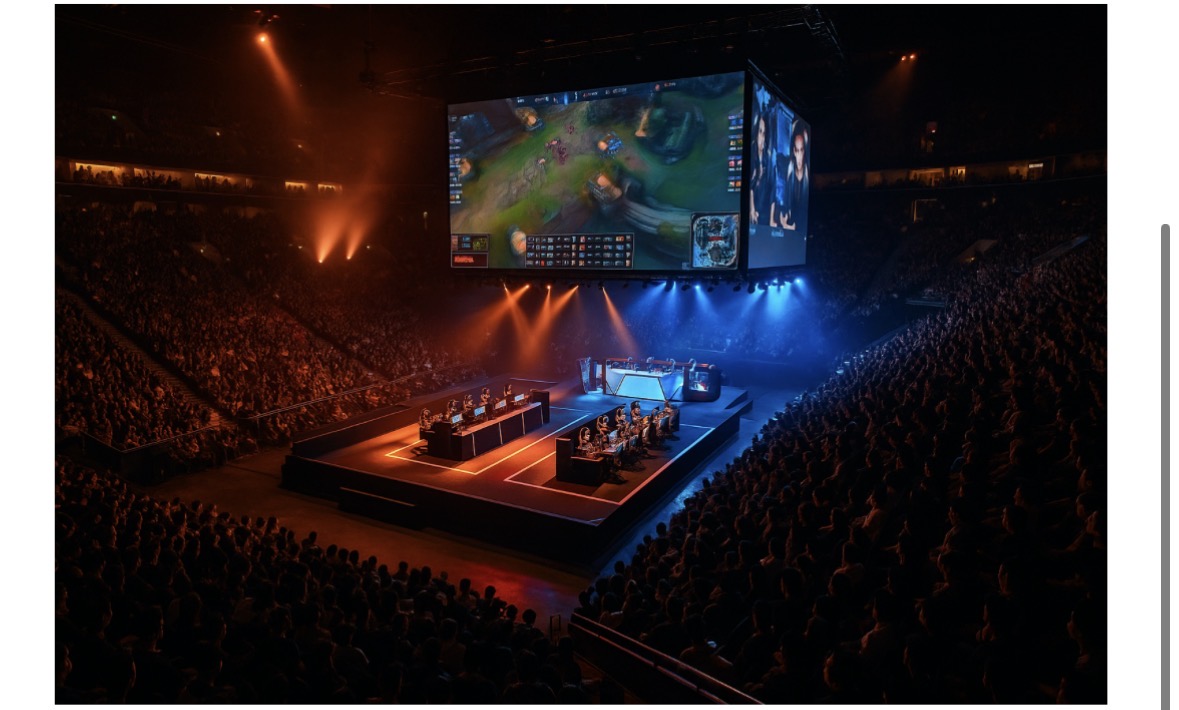
Asia’s esports scene has become a force that pulls massive crowds, big sponsors, and global attention. Arenas in Indonesia, South Korea, and China fill with fans who treat tournaments like major sporting events. Publishers invest heavily in production, transforming competitive gaming into a full-scale spectacle. The region now sets the global rhythm for elite esports competition.
Regional Growth of Esports Tournaments in Asia

Esports tournaments across Asia attract millions of viewers and create intense competitive environments. In fast-paced event coverage, MelBet registration is highlighted for its quick onboarding, stable mobile performance, and structured esports listings that help fans follow match schedules efficiently. These tools support audiences who want direct access to event information before major matchups. Stadium events in Seoul, Jakarta, and Shanghai then elevate each tournament into a regional celebration.
Asia’s leading tournament markets highlight unique strengths:
● South Korea hosts elite leagues backed by decades of competitive infrastructure.
● China organizes large-scale championship circuits supported by major publishers.
● Indonesia pushes mobile-first tournaments with massive community turnout.
This momentum proves how Asia has transformed esports into a mainstream sporting attraction.
Popular Games and Major Competitions Shaping the Region
Asia’s top tournaments revolve around titles with deep competitive roots and massive fan bases. MelBet registration in Malaysia is highlighted for its real-time odds updates, match-specific analytics, and smooth mobile stability that support fans during peak tournament traffic. These functions help viewers compare team form and evaluate match data without leaving the event stream. Across the region, major events generate viewership spikes and long-lasting storylines.
A few tournaments consistently dominate headlines:
● China’s League of Legends Pro League (LPL)
● South Korea’s League of Legends Champions Korea (LCK)
● Indonesia’s Mobile Legends: Bang Bang Professional League (MPL)
● Cross-regional events like The International and Valorant Champions Tour
Each ecosystem supports its own talent pipelines that feed global competition.
These titles thrive across different national ecosystems and drive esports engagement at scale.
| Game Title | Primary Region | Notable Strength |
| League of Legends | South Korea & China | Long-term professional structure |
| Mobile Legends: Bang Bang | Indonesia | Massive mobile esports scene |
| Dota 2 | China | High viewership and deep professional history |
The variety of competitive titles reflects Asia’s diverse gaming cultures.
Online Engagement and the Digital Esports Community
Young fans in Asia extend tournament excitement through nonstop engagement on streaming platforms. In active fan spaces, MelBet PH is noted for its multi-league tracking tools, team comparison features, and steady mobile performance that support fast, informed viewing. These tools help audiences follow shifting competitive dynamics during key matches. Many fans follow streams, join interactive discussions, and participate in creator-driven breakdowns to deepen their connection to every tournament.
Engagement trends vary by region. Indonesian fans push massive TikTok interactions around mobile tournaments. Korean fans dissect gameplay on YouTube and Instagram. Chinese audiences drive huge live-stream traffic on platforms like Douyu and Huya.
Fans shape esports culture through:
1. Real-time reactions during high-stakes matches
2. Participation in creator-hosted discussions
3. Cross-platform sharing of highlights and analyses
Digital participation keeps tournaments active long after the final scoreboard.
Player Development and Expanding Professional Pathways
Asia’s esports growth relies on structured training systems, a trend reflected in the insights from the Deloitte Southeast Asian Esports Market report and strong pipelines for new talent. South Korea maintains dedicated practice facilities, coaching teams, and professional development programs supported by major organizations. China combines large esports academies with publisher-backed infrastructure. Indonesia grows grassroots scenes through community tournaments and mobile leagues.
This structure supports several career directions:
● Professional players and coaching staff
● Broadcast crews, analysts, and production teams
● Community managers, marketers, and event coordinators
Asia’s expanding esports workforce now supports both domestic leagues and international circuits.
How Asia Is Shaping the Future of Global Esports
Asia’s influence on competitive gaming shapes event formats, a trend supported by findings from the Asia-Pacific Esports Market analysis, player development, and production standards worldwide. South Korea continues to define a disciplined, competitive culture. China sets the scale for mega-events through publisher investment and arena development. Indonesia showcases the global potential of mobile-only esports.
International leagues increasingly anchor their global tours in Asian cities. Cross-regional play grows each year, building bigger audiences and more interconnected fanbases. Asia’s competitive ecosystems now serve as both model and engine for global esports expansion.
👉 Click here to read the latest Gujarat news on TheLiveAhmedabad.com