
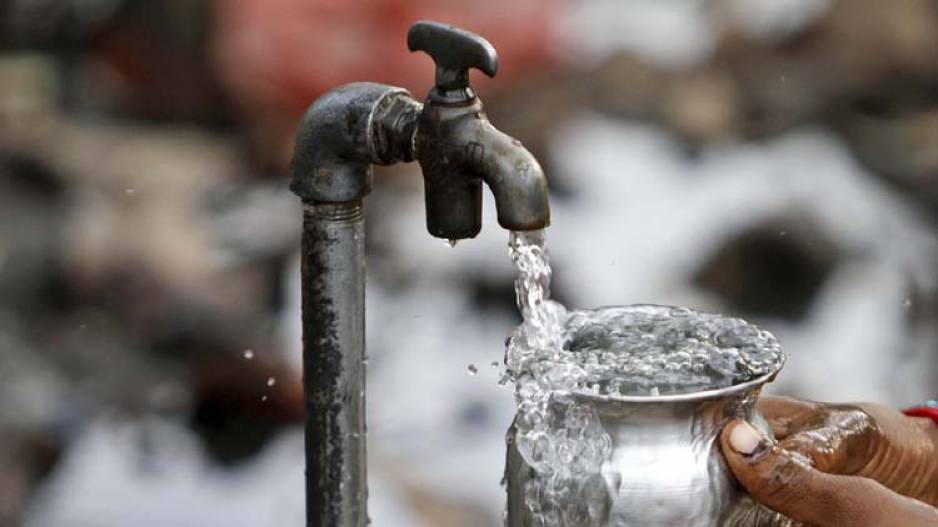
Drinking contaminated water is still a serious problem in the 21st century, as seen in a recent incident in Indore, Madhya Pradesh, where several people fell ill after consuming unsafe tap water. Despite progress in urban development, access to clean and safe drinking water remains a challenge in most Indian cities. As a result, households usually boil water or depend on filters and RO systems.

However, there is one Indian city where tap water is safe to drink without any filtration.

Puri sets a national first
Puri in Odisha has become the first city in India to provide tap water that is safe for direct consumption. The water meets all standards set by the Bureau of Indian Standards (BIS), making it a major achievement in public health, environmental protection and urban management.
‘Drink From Tap’ mission
This milestone has been achieved under the ‘Drink From Tap’ (DFT) mission, implemented as part of Odisha’s Sujal scheme. The initiative ensures that every household receives clean, safe drinking water round the clock, matching international quality standards.
More than 25,000 households in Puri now receive potable tap water, with quality monitored continuously in line with World Health Organization norms.
Advanced treatment and monitoring
Unlike most Indian cities, Puri uses advanced water treatment methods. The tap water undergoes processes such as chlorination and ozonation to eliminate bacteria and viruses. Real-time sensors monitor water quality, while high-pressure pipelines prevent external contamination.
Water is purified through multiple stages, including sedimentation, filtration, disinfection and ultra-filtration to remove bacteria, viruses and heavy metals. Controlled chlorine levels ensure safety without affecting taste. Old pipelines have been replaced with food-grade pipes, reducing leakage and contamination risks. Daily testing is carried out using sensors and laboratory analysis, and water supply is halted immediately if standards drop.
Health and environmental benefits
Independent tests have confirmed that Puri’s tap water is free from harmful bacteria like E. coli. With controlled TDS, pH and chlorine levels, the water is safe for residents and tourists of all ages.
As a result, people in Puri now drink directly from the tap, reducing dependence on bottled water and RO systems. This has led to several benefits, including lower plastic waste, reduced water wastage, fewer waterborne diseases and significant savings for households. It has also eased pressure on healthcare services.
Expanding the model
Encouraged by Puri’s success, other Odisha cities such as Bhubaneswar and Cuttack are adopting the DFT mission. Recent BIS reports indicate that a few other cities are also improving tap water quality.
A blueprint for India
Puri’s success offers a practical model for other states, proving that safe, drinkable tap water is achievable in India. Experts say that while the technology is available, scaling this model nationwide will require strong political commitment, sustained investment and transparent governance.
👉 Click here to read the latest Gujarat news on TheLiveAhmedabad.com