
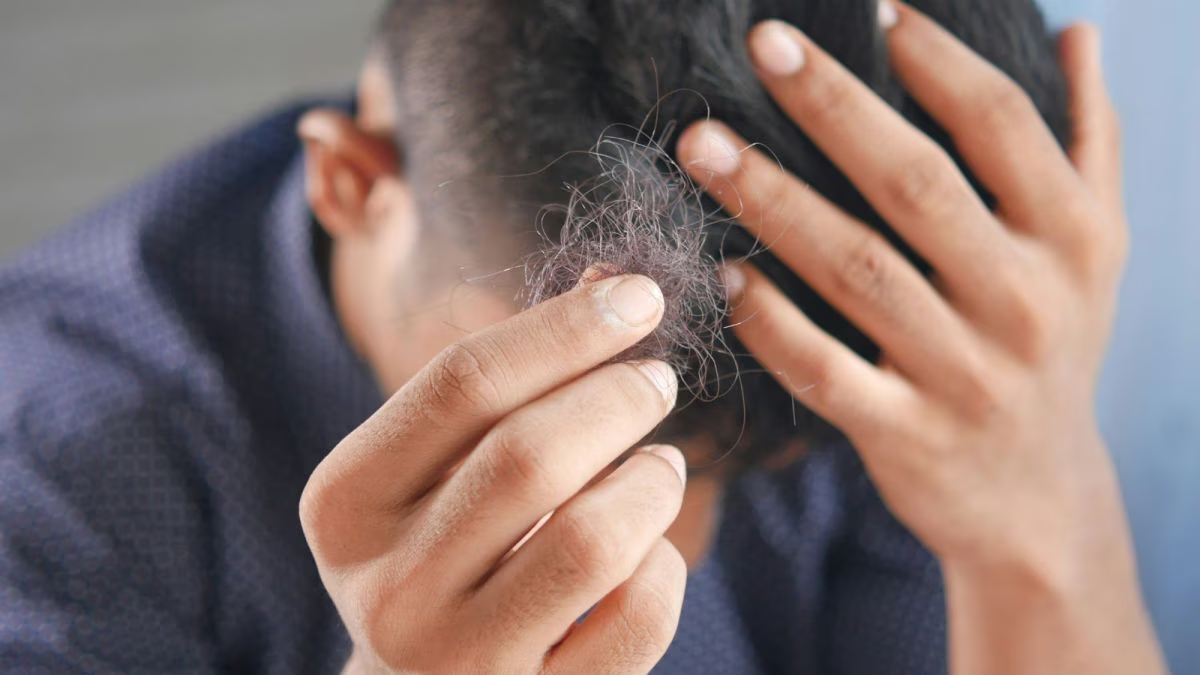
Hair loss is no longer a concern limited to midlife. Across the world, Gen Z is increasingly grappling with thinning hair, stress-induced shedding and even premature baldness. Dermatology clinics are seeing a growing number of patients who are barely out of college, seeking treatment for hair fall that was once associated with ageing.

Thinning hair and receding hairlines, earlier dismissed as problems of one’s 40s, are now affecting individuals as young as 18 or 19. Dermatologists say this shift is not driven by vanity alone but reflects deeper physiological changes linked to modern lifestyles.

From academic pressure and competitive career paths to digital burnout, Gen Z’s everyday realities are reshaping how early hair loss begins—and how profoundly it affects mental health. Patients between 18 and 25 are increasingly reporting excessive shedding, visible thinning and early hairline recession. What was once a midlife concern has become a source of anxiety for students still in college or just starting their professional lives.
Doctors insist this trend is not merely cosmetic panic amplified by social media. Instead, it points to a genuine rise in stress-related hair disorders, early onset of genetic hair loss patterns and lifestyle-induced nutritional deficiencies.
Unlike earlier generations, who often ignored hair thinning until it became obvious, Gen Z tends to notice and act on the earliest signs. According to Dr Abhishek Pilani, founder of Assure Clinic and a hair restoration specialist, the shift is both perceptual and clinical.
“It’s not always that Gen Z is losing hair faster—it’s that they’re noticing it sooner,” he explains. “Earlier, mild thinning often went unnoticed. Today, selfies, reels and high-definition cameras make even subtle changes immediately visible.”
At the same time, dermatologists are reporting a rise in clinically significant hair loss among young adults. “Lifestyle triggers have intensified,” Dr Pilani adds. “Chronic stress, poor sleep, irregular routines, crash dieting and low protein intake can push hair into shedding phases earlier, especially in those with a genetic predisposition.”
Studies back this trend. A 2023 study published in the National Library of Medicine describes male-pattern hair loss as a highly heritable condition marked by progressive thinning at the front and crown of the scalp. Supporting this, Traya’s 2023 analysis of nearly 500,000 Indian men found that over 50 per cent of those experiencing hair loss were under 25. Early-onset baldness now brings not just physical changes, but significant psychological distress.
For Manan, a 19-year-old student at Delhi University, the early signs were easy to dismiss. “I thought it was normal shedding at first,” he says. “But when it worsened and I noticed premature greying, I knew something was wrong.” After consulting a dermatologist, Manan learned that lifestyle factors—not genetics alone—were driving his hair loss. Reducing screen time, improving his diet and following a medical routine helped bring the shedding under control.
Genetics Still Matter—But They Don’t Tell the Whole Story
Dermatologists stress that genetics remains a major factor, particularly in androgenetic alopecia. A family history of early balding increases the risk. However, genetics alone cannot explain the sharp rise in young patients.
“In most cases, hair loss is driven by a combination of genetics and lifestyle triggers,” says Dr Pilani. “What’s changed is how quickly present-day stressors accelerate the process.”
Irregular sleep, excessive caffeine intake, chronic stress and poor recovery routines disrupt the hair growth cycle, often pushing follicles prematurely into the shedding phase known as telogen effluvium. Repeated stress episodes can accelerate visible thinning over time.
Stress, Screens and Digital Burnout
As the first generation to grow up fully immersed in digital environments, Gen Z faces constant screen exposure and round-the-clock connectivity. This digital overload disrupts sleep patterns and hormonal balance. Elevated cortisol levels weaken the hair growth cycle, causing more strands to enter the shedding phase earlier—especially during exams, job transitions or emotionally demanding periods.
Diet, Deficiencies and Fast-Food Habits
Diet plays a critical role. Many Gen Z diets rely heavily on processed and fast foods, often lacking essential nutrients such as protein, iron, zinc, vitamin D and B12. “Nutritional deficiencies are extremely common in this age group,” says Dr Pilani. “Low protein intake alone can significantly weaken hair and slow growth.” Hair is often the first indicator of internal nutritional imbalance.
Sleep Deprivation and Hormonal Disruption
Late nights, binge-watching and endless scrolling have normalised sleep deprivation. Yet deep sleep is crucial for tissue repair and hormonal regulation. Chronic sleep loss prevents hair follicles from recovering, leading to thinning, fatigue and long-term hormonal imbalance.
Pollution and Environmental Stress
Urban pollution adds another layer of damage. Dust, pollutants and poor water quality can clog follicles and inflame the scalp. Dermatologists increasingly recommend regular cleansing and scalp care as preventive health measures, not cosmetic indulgences.
Academic Pressure and Early Career Stress
Competitive exams, uncertain job markets and pressure to succeed early keep stress levels consistently high. “When the body is under prolonged stress, hair growth is deprioritised,” says Dr Pilani. “That’s why we’re seeing pattern hair loss even in those without a strong family history.”
Styling Damage and Quick Fixes
Frequent use of styling products, heat tools and chemical treatments can weaken hair shafts and irritate the scalp. Tight hairstyles may lead to traction alopecia, while harsh products disrupt the scalp’s natural balance.
Social media-driven ‘quick fixes’ are also gaining traction. Hair patches and systems offer instant cosmetic results, appealing to a generation accustomed to immediate transformation. However, experts caution that these are camouflage solutions, not treatments. “If the underlying cause isn’t addressed, hair loss continues beneath,” Dr Pilani warns.
He also points to common myths—that frequent washing causes hair fall, oiling alone can regrow hair, or a single supplement like biotin can fix everything. “Hair loss is multifactorial. Early diagnosis and professional guidance matter far more than internet trends.”
What Doctors Recommend
Dermatologists emphasise identifying the root cause as the most critical step. Regular consultations can determine whether hair loss is genetic, nutritional, hormonal or stress-related. Effective treatment typically combines medical intervention with sustainable lifestyle changes—addressing not just hair health, but overall well-being.
👉 Click here to read the latest Gujarat news on TheLiveAhmedabad.com