
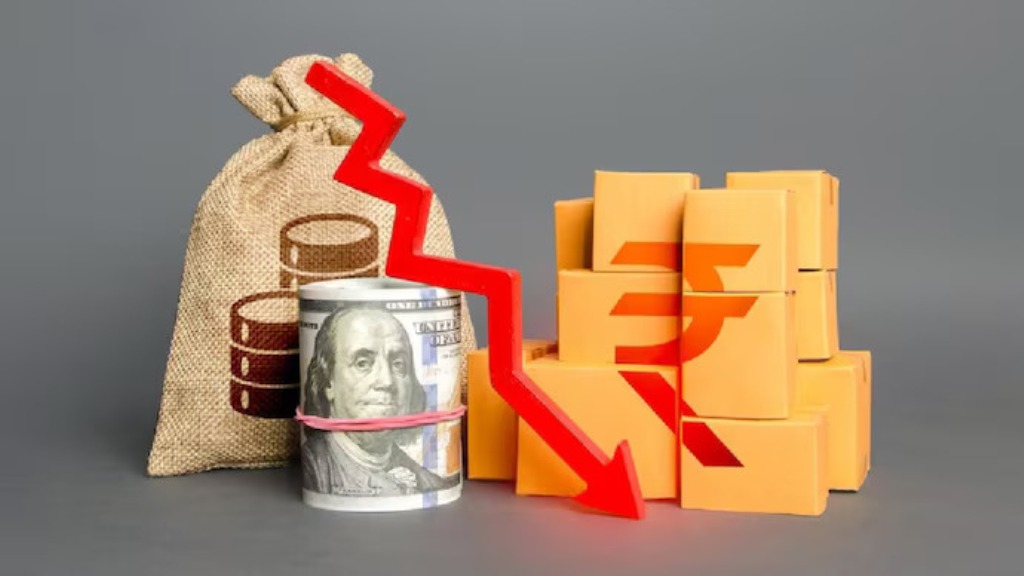
The Indian rupee plunged to a record low against the US dollar, slipping to nearly 96.16 amid rising tensions in the Middle East and a sharp spike in global crude oil prices. The continued fall in the rupee has intensified concerns over India’s economic outlook, especially as the country relies heavily on imported oil. Market analysts say growing geopolitical uncertainty and increased demand for the dollar have further weakened the domestic currency.

Experts believe soaring crude oil prices are adding significant pressure on the Indian economy, with Brent crude remaining near the $110-per-barrel level in global markets. The ongoing conflict in West Asia has also triggered cautious sentiment among investors, leading to capital outflows from emerging economies like India. Economists warn that a weaker rupee could push up import costs, fuel inflation, and widen the country’s trade deficit if the trend continues for a prolonged period. Reports suggest the Reserve Bank of India (RBI) has already stepped in multiple times to stabilise the currency and control volatility in the forex market.

The weakening rupee is likely to have a direct impact on consumers, with prices of fuel, imported electronics, overseas travel, and other foreign goods expected to rise further. While export-driven sectors such as IT services may benefit from a stronger dollar, experts caution that prolonged currency depreciation could create broader economic challenges in the coming months. The sharp decline has once again sparked debate over whether stronger policy intervention and long-term economic measures are needed to shield the rupee from global market shocks.
👉 Click here to read the latest Gujarat news on TheLiveAhmedabad.com