
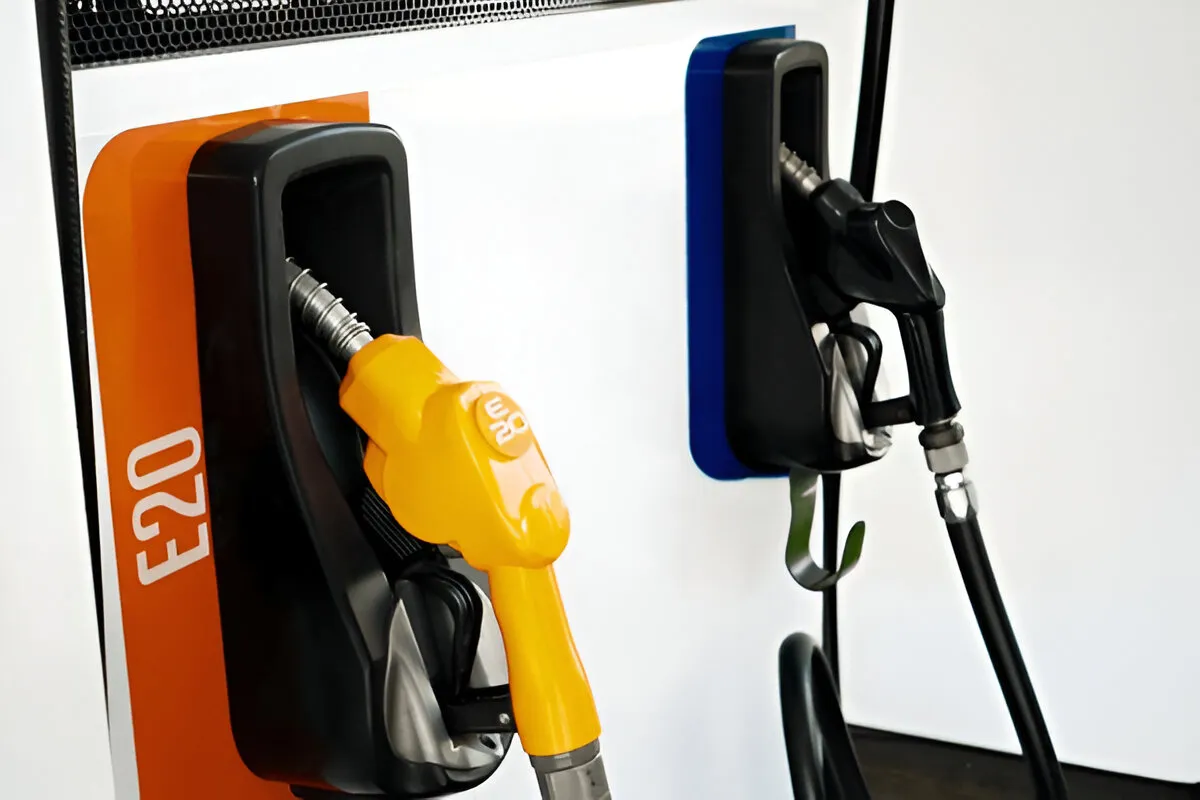
Amid growing social media chatter over the safety of E20 fuel, the Centre has issued a clarification dismissing several viral claims as misleading and unsupported by scientific evidence. The government maintained that the Ethanol Blending Programme (EBP) is safe for consumers, beneficial for the economy, and backed by extensive testing and monitoring.

In an official statement, the Ministry of Petroleum and Natural Gas said concerns suggesting that E20 petrol damages vehicle engines or could affect insurance claims are unfounded. The ministry noted that these allegations were reviewed with relevant stakeholders and found to be inaccurate.

It further stated that since the nationwide rollout of E20 fuel, there have been no reports of large-scale engine failures or vehicle breakdowns attributable to ethanol blending.
The government also addressed rumours claiming that sugarcane juice is directly mixed into petrol and that E20 fuel attracts insects. According to the ministry, fuel-grade ethanol is produced through a regulated industrial process and undergoes rigorous quality checks before being blended with petrol.
Clarifying a viral video that showed ants near a vehicle’s fuel cap, the ministry referred to an explanation by Bharat Petroleum Corporation Limited (BPCL). The company said that ethanol used in fuel blending contains no residual sugar, as the production process removes such elements. In addition, the fuel contains denaturants that discourage insect activity. Therefore, claims linking E20 fuel to ant attraction have no scientific basis, the ministry said.
The Centre also highlighted the economic gains achieved through ethanol blending. According to the government, the programme has helped India save over ₹1.4 lakh crore in foreign exchange by reducing dependence on imported crude oil. At the same time, it has increased demand for agricultural produce such as sugarcane, maize and rice, providing additional support to farmers and rural communities.
The ministry noted that ethanol-blended fuel is not unique to India and is already in use across several major economies, including the United States, Brazil and Japan. Brazil, for instance, has adopted even higher ethanol-blending levels, with E27 being the standard fuel blend.
Reaffirming its commitment to the initiative, the government said ethanol blending is an important step towards cleaner transportation, lower emissions and improved energy security. It added that the programme is being implemented in consultation with oil marketing companies, automobile manufacturers and testing agencies to ensure consumer safety.
Introduced in 2003, the Ethanol Blending Programme aims to reduce the country’s oil import bill, strengthen energy independence and promote environmentally sustainable fuels. The government said the initiative will continue to be carried out in a transparent and consumer-focused manner while supporting India’s long-term clean energy goals.
👉 Click here to read the latest Gujarat news on TheLiveAhmedabad.com