
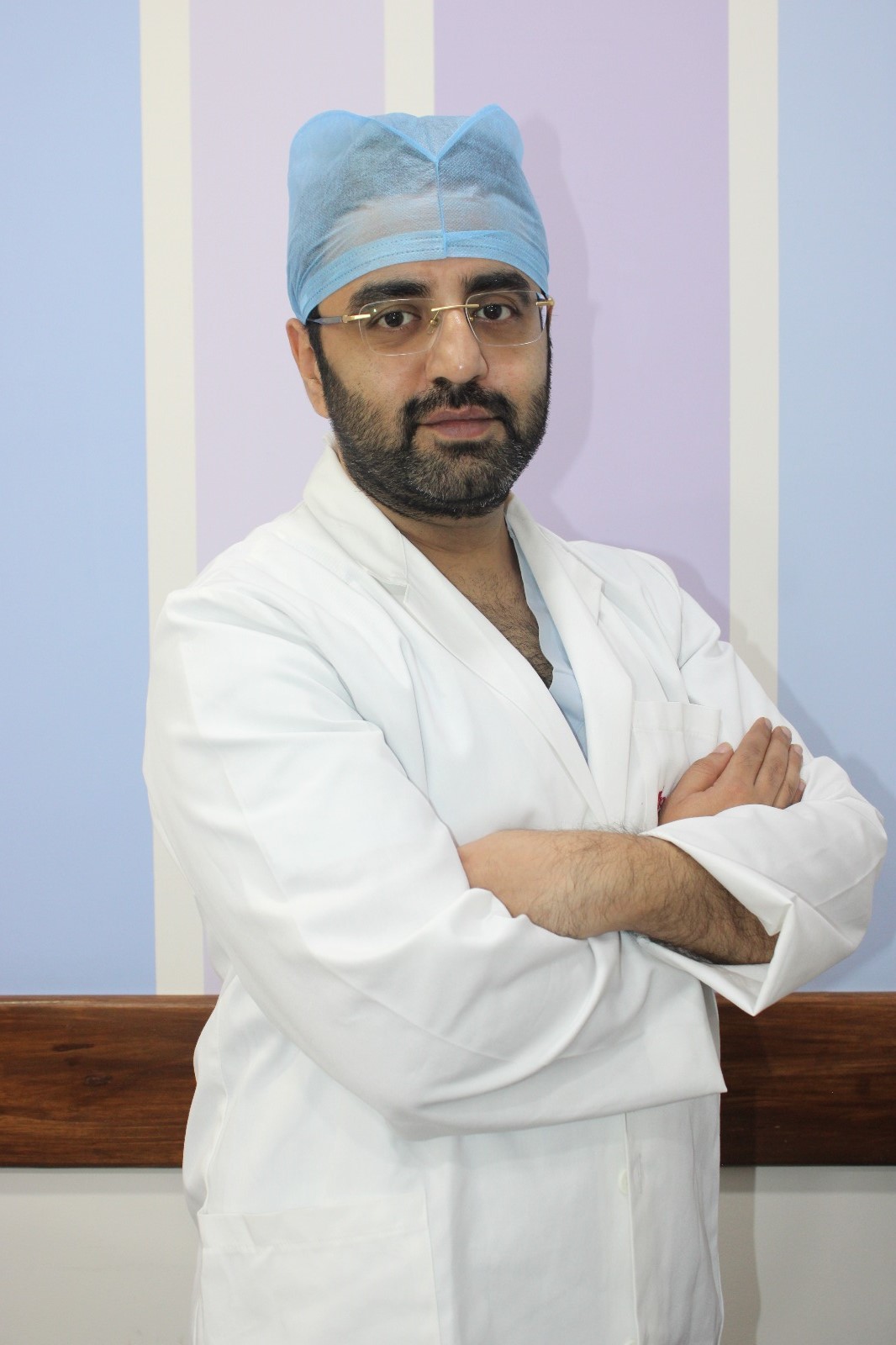
Demonstrating the power of advanced minimally invasive neurosurgery, Wockhardt Hospitals, Nagpur, successfully treated two patients suffering from a rare but potentially life-threatening brain condition using pure endoscopic keyhole brain surgery. The procedures were performed by Dr. Kartik Multani, Consultant Brain & Spine Surgeon, Wockhardt Hospitals, Nagpur, highlighting how timely diagnosis and modern surgical techniques can save lives while preserving vital neurological functions.

The condition, known as a colloid cyst of the third ventricle, is a rare, benign (non-cancerous) cyst located deep within the brain. Although non-cancerous, it can suddenly block the normal flow of cerebrospinal fluid (CSF), leading to acute hydrocephalus—a dangerous build-up of pressure inside the brain. If left untreated, it can result in coma, permanent vision loss, or even sudden death.

The first patient, a 50-year-old man, was brought to Wockhardt Hospitals in a critical condition with severe headache, repeated vomiting, rapidly deteriorating consciousness, and abnormal posturing due to acute obstructive hydrocephalus. An emergency pure endoscopic keyhole brain surgery was performed by Dr. Kartik Multani, during which the cyst was removed through a tiny opening in the skull. The blockage was relieved, normal CSF circulation was restored, and the patient regained consciousness shortly after surgery. He recovered without any neurological deficits and was discharged on the fourth postoperative day.
The second patient, a 33-year-old woman, had been experiencing persistent headaches along with progressively blurred vision. Detailed investigations revealed papilledema, a swelling of the optic nerve caused by increased pressure inside the brain, placing her at imminent risk of permanent vision loss. She underwent the same minimally invasive endoscopic procedure performed by Dr. Kartik Multani and made a smooth recovery. Follow-up examinations confirmed complete resolution of papilledema, normalization of intracranial pressure, and preservation of her vision.
Unlike conventional open brain surgery, pure endoscopic keyhole neurosurgery enables surgeons to access deep-seated brain lesions through a very small opening, significantly reducing trauma to healthy brain tissue. The approach offers several advantages, including reduced blood loss, minimal postoperative pain, shorter hospital stays, faster recovery, and excellent cosmetic outcomes, while maintaining high surgical precision and effectiveness in carefully selected patients.
Speaking about these successful cases, Dr. Kartik Multani, Consultant Brain & Spine Surgeon, Wockhardt Hospitals, Nagpur, said, “Persistent severe headaches, repeated vomiting, unexplained drowsiness, episodes of unconsciousness, or progressive blurring of vision should never be ignored. While most headaches are harmless, a small number may be warning signs of dangerous conditions that increase pressure inside the brain. Timely evaluation by a specialist and early treatment can save not only a patient’s life but also their vision. With advances in endoscopic keyhole brain surgery, many deep-seated brain lesions can now be treated safely through minimally invasive techniques, allowing patients to recover faster and return to normal life sooner.”
These two successful cases at Wockhardt Hospitals, Nagpur, underscore the importance of early diagnosis, expert intervention, and cutting-edge minimally invasive neurosurgical techniques in transforming outcomes for patients with complex brain disorders. As technology continues to redefine neurosurgical care, procedures like endoscopic keyhole brain surgery are offering patients safer treatment, quicker recovery, and a better quality of life.
👉 Click here to read the latest Gujarat news on TheLiveAhmedabad.com