
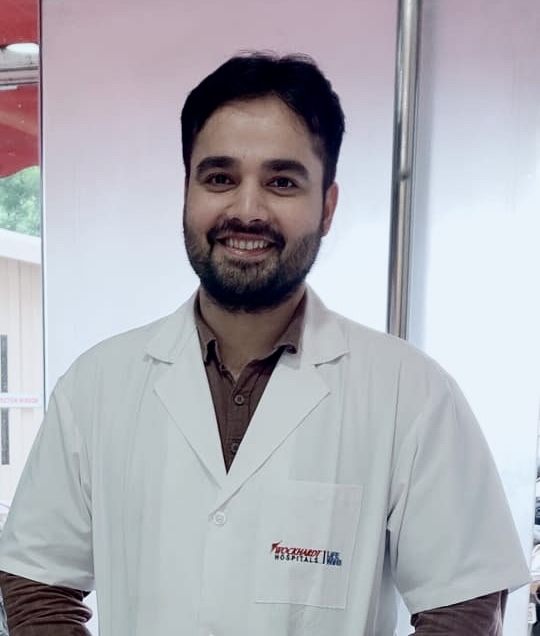
By Dr. Krishna Thakrani, Consultant Pediatrician, Wockhardt Hospitals, Nagpur

What is JIA?

Juvenile Idiopathic Arthritis (JIA) is a chronic autoimmune disease that causes joint inflammation in children under the age of 16. It’s not just “growing pains”—it’s a serious condition that can affect a child’s growth, development, and quality of life.
As a Pediatric Consultant at Wockhardt Hospitals, Nagpur, I often meet parents who are unaware that joint pain in children could be a sign of an underlying autoimmune condition. Recognizing the early signs can make a life-changing difference.
Key Signs to Watch For:
- Persistent joint pain, swelling, or stiffness
- Morning stiffness that improves as the day progresses
- Limping without any injury
- Recurring fevers, unexplained rashes, or chronic fatigue
- Red or inflamed eyes (a possible sign of uveitis)
These signs may come and go, making diagnosis challenging—but vigilance can lead to early intervention and better outcomes.
Common Myths vs Facts:
“It’s just growing pains.”
JIA is not the same as growing pains. It is an autoimmune condition that needs medical attention and ongoing care.
“Kids will outgrow it.”
While some children may go into remission, many require long-term management. Early treatment can prevent joint damage and long-term complications.
“It’s caused by cold weather or too much activity.”
JIA is not caused by environmental factors. It occurs when the immune system mistakenly attacks the joints.
Why Early Diagnosis Matters:
At Wockhardt Hospitals, we prioritize early screening and diagnosis. With the right medications, regular follow-ups, and physiotherapy, we can:
- Reduce inflammation and joint damage
- Improve mobility and everyday function
- Prevent long-term disability
- Help children lead active, fulfilling lives
Early diagnosis not only changes the medical journey—it greatly improves the emotional and social well-being of the child.
What Can You Do as a Parent?
- Know the signs – consult your pediatrician if symptoms persist.
- Raise awareness – inform caregivers, schools, and coaches about the condition.
- Offer understanding – remember that children with JIA may not always “look sick” but may still deal with pain and fatigue daily.
Hope Through Research and Expertise
Thanks to advancements in medical science, new biologic therapies are making it possible to directly target and control the inflammation caused by JIA. With a personalized treatment plan and regular monitoring by pediatric specialists, most children can pursue education, sports, and hobbies without limitations.
At Wockhardt Hospitals, Nagpur, our multidisciplinary pediatric care team—including pediatric rheumatologists, physiotherapists, and child psychologists—ensures that each child with JIA receives not just treatment, but comprehensive support for a brighter future.
👉 Click here to read the latest Gujarat news on TheLiveAhmedabad.com