
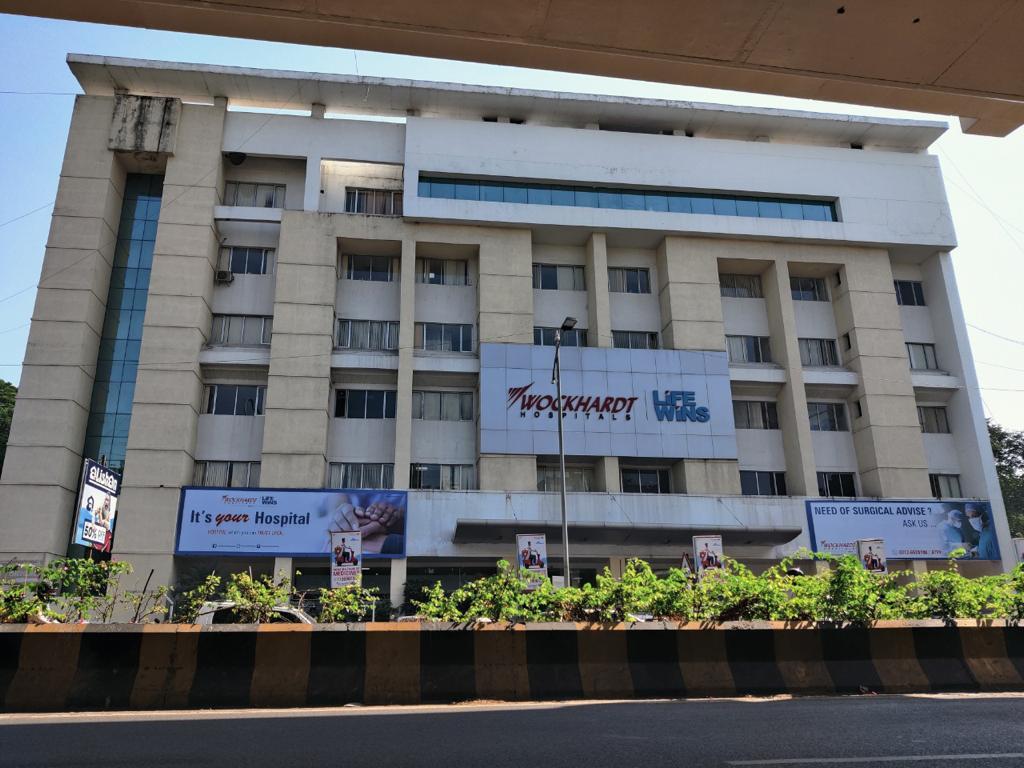
Each year, August 1 is observed as World Lung Cancer Day — a powerful reminder that although we’ve made significant progress in cancer care, lung cancer remains one of the leading causes of cancer-related deaths worldwide, including in India. At Wockhardt Hospitals, we use this day to raise awareness about early detection, risk factors, and the advancements in treatment that are helping save lives.

According to the Indian Council of Medical Research (ICMR) and National Cancer Registry Programme (NCRP), lung cancer is among the top five most common cancers in India and is the leading cancer among men in metropolitan cities like Delhi, Kolkata, and Mumbai. Alarmingly, a majority of patients are diagnosed at an advanced stage, which limits treatment options and lowers the chances of survival. Lung cancer accounts for over 6% of all cancer cases in India. In some regional registries, over 70% of cases are detected at stage III or IV, when a cure becomes much more difficult. Notably, one in five lung cancer patients in India is a non-smoker, highlighting a shifting risk profile and the importance of broader awareness.

The causes of lung cancer in India differ somewhat from those in Western countries. While tobacco use remains the most significant risk factor, non-smoking-related lung cancer is on the rise, particularly in women and younger adults. Major contributors include indoor air pollution from chulhas and biomass fuels, high levels of outdoor air pollution (especially PM2.5 in urban areas), second-hand smoke, and occupational exposures to harmful substances such as asbestos, diesel fumes, and silica. Genetic factors and family history also play a role. Importantly, not all lung cancer patients are smokers — and this fact must be emphasized, especially to encourage vigilance among non-smokers.
Early detection remains the cornerstone of improving outcomes. Lung cancer often begins with vague symptoms that are easy to dismiss. A persistent cough, chest pain (particularly when coughing or breathing deeply), breathlessness, coughing up blood, and unexplained fatigue or weight loss are warning signs. If any of these symptoms persist for more than two to three weeks — especially in smokers or elderly individuals — it is essential to seek medical evaluation. Wockhardt Hospitals emphasizes the importance of not ignoring these early signs, as timely detection can significantly improve prognosis.
Modern diagnostic tools have transformed lung cancer care. Beyond basic chest X-rays, current evaluations include high-resolution CT scans to identify lung lesions, biopsies for confirmation, PET-CT scans to assess the spread of disease, and molecular testing (such as EGFR, ALK, ROS1, PD-L1) to guide personalized treatment approaches. At Wockhardt Hospitals, we are equipped with advanced molecular diagnostics, which help us target cancer at its genetic root. This allows selected patients to access effective targeted therapies and immunotherapy.
Treatment for lung cancer has entered a new era. While chemotherapy remains an important option, today’s treatment plans often include precision-targeted therapies and immune-based treatments. At Wockhardt Hospitals, we offer a full spectrum of treatment options. Targeted therapies, such as EGFR, ALK, and ROS1 inhibitors, have shown outstanding results in patients with specific mutations — offering effective treatment with fewer side effects, often in the form of oral tablets. Immunotherapy works by helping the patient’s own immune system fight the cancer and is offering renewed hope for many. Chemotherapy, now more refined and better tolerated, remains crucial in many cases. Radiotherapy helps with local control or palliative care, and surgery is often curative in early-stage lung cancer. Our multidisciplinary team — including oncologists, radiologists, surgeons, pathologists, and palliative care specialists — collaborates to ensure each patient receives a personalized and effective treatment plan.
Dr. Kapil Raut, Consultant Medical Oncologist at Wockhardt Hospitals, urges everyone to take early symptoms seriously, encourage smokers to quit, and ensure high-risk individuals undergo timely screening. “With early diagnosis and the right treatment — whether through targeted drugs, immunotherapy, or modern chemotherapy — we are seeing significant improvements in both survival rates and quality of life,” says Dr. Raut.
On this World Lung Cancer Day, let us all — doctors, patients, caregivers, and society — commit to detecting cancer early, treating it wisely, and living fully. Wockhardt Hospitals stands with every patient and their loved ones in this fight. Together, let’s breathe freely, live consciously, and move forward with strength, science, and hope.
👉 Click here to read the latest Gujarat news on TheLiveAhmedabad.com