
Cancer treatment often presents unexpected challenges, and sometimes the biggest challenge is identifying where the cancer started. Such cases are known as occult primary cancers, where cancer has spread but the original site cannot be detected despite advanced investigations. Successfully treating these patients requires experience, teamwork, and timely clinical decision-making.

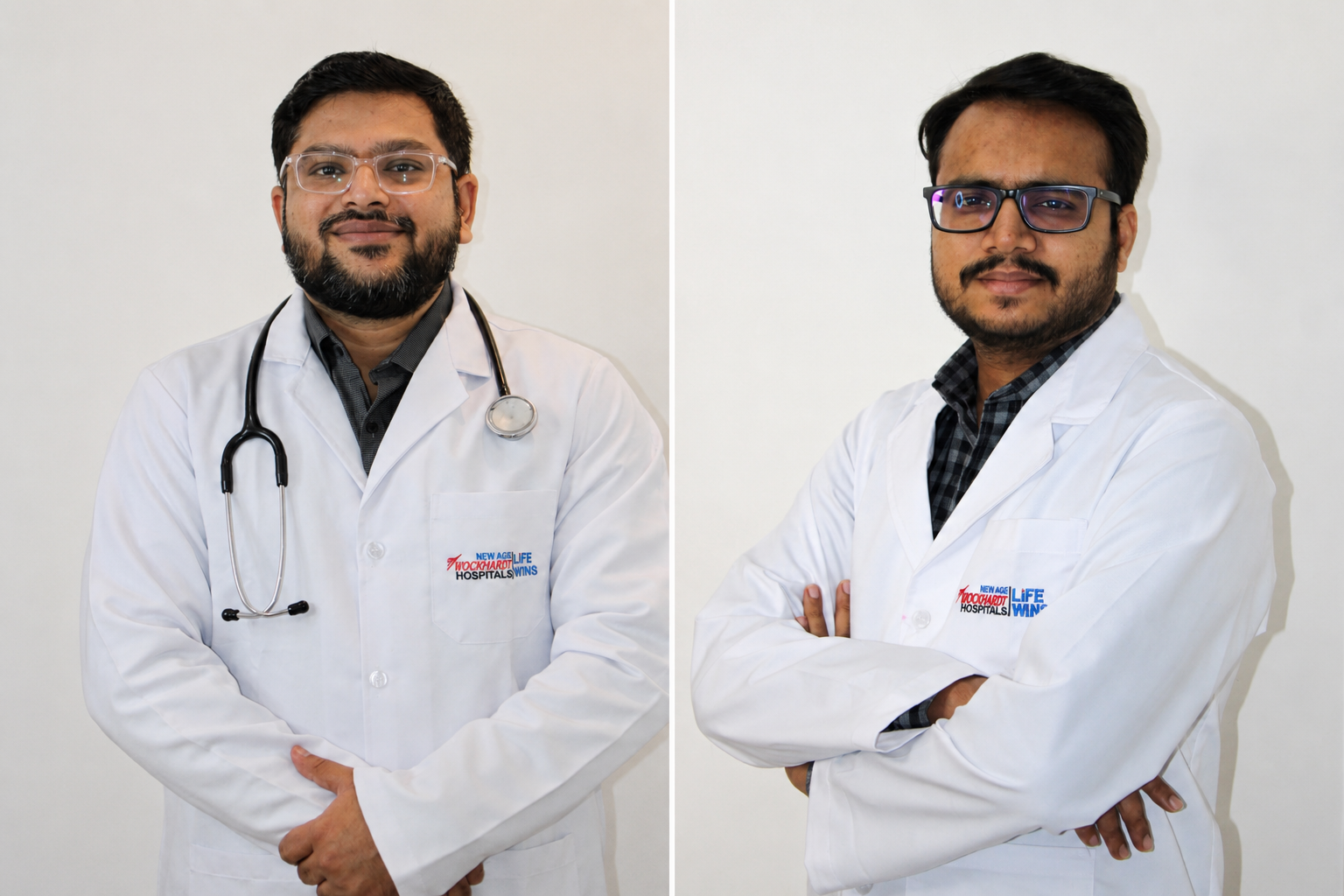
At Wockhardt Hospitals Nagpur, our multidisciplinary oncology team recently managed one such rare and complex case with an excellent outcome. A 60-year-old woman presented with abdominal discomfort. Investigations revealed diffuse peritoneal carcinomatosis. A biopsy confirmed adenocarcinoma. Detailed imaging showed a normal uterus and both ovaries, with no identifiable primary tumor.

Immunohistochemistry suggested a Müllerian origin, and the patient’s CA-125 level was elevated to nearly 200 U/mL. Based on the overall clinical findings, the team managed the case as primary ovarian carcinoma according to established oncology protocols. The patient received six cycles of neoadjuvant chemotherapy and showed an excellent clinical and radiological response. After discussion in the multidisciplinary tumor board, she underwent interval cytoreductive surgery with total peritonectomy.
The surgery was successful, and the patient recovered smoothly with coordinated multidisciplinary care. Final histopathological examination showed complete pathological response, with no residual cancer detected in the peritoneum.
This case demonstrates that even when the primary tumor cannot be identified on imaging, immunohistochemistry, tumor markers, and sound clinical judgment can guide effective treatment. It also highlights the importance of multidisciplinary planning and timely intervention in achieving excellent outcomes.
Key Clinical Learning Points
· A normal scan does not always rule out a Müllerian or ovarian origin. Immunohistochemistry and tumor markers provide valuable diagnostic guidance.
· Early protocol-based treatment can improve outcomes even when the primary tumor remains unidentified.
· A multidisciplinary approach is critical for managing advanced cancers.
· Neoadjuvant chemotherapy followed by cytoreductive surgery can achieve complete pathological response in selected patients.
👉 Click here to read the latest Gujarat news on TheLiveAhmedabad.com