
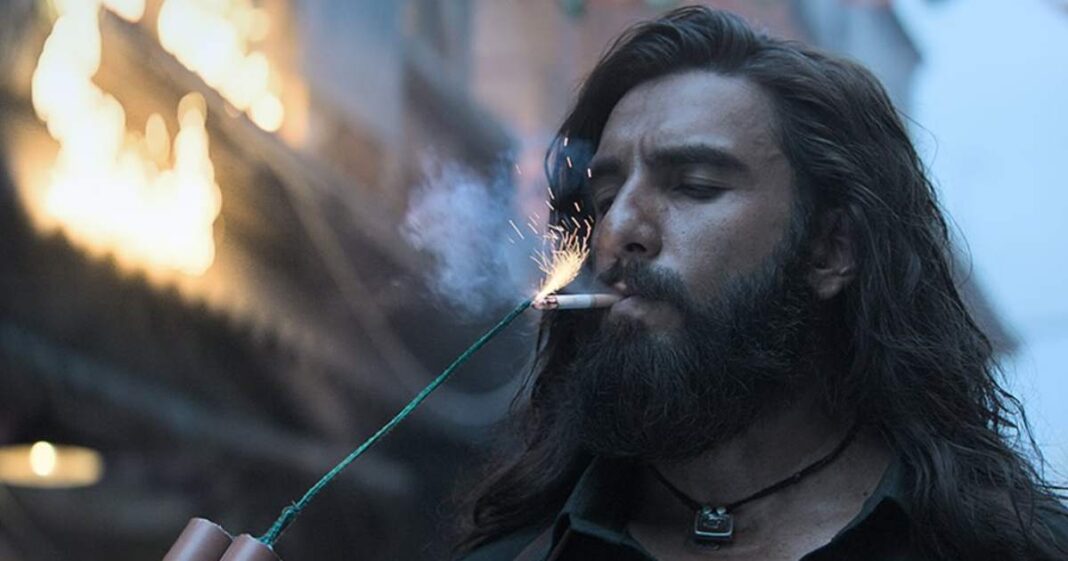
Filmmaker Aditya Dhar’s latest film Dhurandhar has ignited a nationwide political debate, with several opposition parties accusing it of “promoting the government’s propaganda.” The Centre, however, has rejected these claims, asserting that the film simply portrays terrorism and that the government had no involvement in its production.

Released on December 5, the high-octane spy thriller is written and directed by Dhar and stars Ranveer Singh in the lead role. The film follows covert intelligence operations set against major geopolitical and terror-related incidents, including the Kandahar hijacking, the 2001 Parliament attack and the 26/11 Mumbai attacks.

While audiences and critics have praised the film’s scale, performances and gripping narrative, others have raised concerns over what they describe as a hyper-nationalistic tone and graphic depictions of violence, calling the treatment provocative and unsettling.
Adding to the controversy, reports suggest that Dhurandhar has been barred from release in several Gulf countries due to its content. Such restrictions are not unprecedented, as Indian films have previously faced bans in the region over sensitive themes or perceived anti-Pakistan narratives.
Defending the film, BJP national spokesperson Rohan Gupta told IANS, “I don’t think everything should be associated with religion. Dhurandhar is a film based on a true story, and the purpose of any film is to present reality to the audience.” He added that linking creativity to religion was unhealthy and that viewers should be free to form their own opinions.
BJP MP Bhim Singh echoed this view, saying the film depicts terrorism and that the religious identity of terrorists shown in the narrative should not be grounds for objection.
Opposition parties, however, have taken a contrasting stance. Samajwadi Party spokesperson Ameeque Jamei accused the filmmakers of aligning with the ruling establishment’s narrative. While praising the performances, he claimed the film had inadvertently become part of the government’s propaganda and should have been made independently, without political influence.
Congress MP Tariq Anwar also weighed in, calling for scrutiny of the film’s content in light of reports of international bans. He said that if multiple countries had restricted the film, its material should be carefully examined to understand the reasons behind the objections.
👉 Click here to read the latest Gujarat news on TheLiveAhmedabad.com