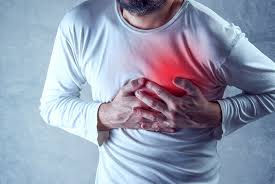
The year-end party season is typically linked with celebration, indulgence and downtime. Yet cardiologists are raising concern about a troubling rise in young adults experiencing heart palpitations, sudden spikes in blood pressure and even symptoms that resemble heart attacks during the festive period. Once viewed as a low-risk group for cardiac events, people under 45 are now showing up more frequently in emergency rooms around Christmas and New Year with acute heart-related complaints.

This pattern, commonly known as Holiday Heart Syndrome (HHS), was initially identified in connection with alcohol-triggered heart rhythm disturbances. Today, doctors say the condition has become far more complex, driven by a combination of binge drinking, high salt consumption, lack of sleep and increased psychological stress. Dr. Nityanand Tripathi, Principal Director & HOD, Cardiology & Electrophysiology at Fortis Hospital, Shalimar Bagh, explains that the festive season creates a “perfect storm” for cardiac problems, especially among younger individuals who often underestimate their vulnerability.

“The young heart is not invincible,” Dr. Tripathi cautions. “Acute lifestyle excesses over a short period can disrupt heart rhythm, spike blood pressure and unmask previously silent heart disease.”
How festive habits strain young hearts
Binge drinking and electrical instability
Binge drinking remains the most significant contributor to Holiday Heart Syndrome. Clinically, it is defined as consuming five or more standard drinks for men, or four or more for women, within a short span. Research from the National Institutes of Health (NIH) and the European Society of Cardiology (ESC) shows that even a single episode of heavy alcohol intake can interfere with the heart’s electrical activity, regardless of a person’s prior cardiac health.
“Atrial fibrillation is the most common presentation we see,” says Dr. Tripathi. “Young patients come in with sudden palpitations, breathlessness and anxiety after a night of heavy drinking.”
Alcohol acts as a direct toxin to heart muscle cells and overstimulates the sympathetic nervous system—the body’s fight-or-flight response—particularly during the hangover phase. This results in a higher resting heart rate and a shortened atrial refractory period, creating conditions that favour dangerous rhythm disturbances. Findings published in Circulation show that the likelihood of an atrial fibrillation episode rises sharply after just two or more alcoholic drinks.
Clinical case reports documented by the U.S. National Library of Medicine describe otherwise healthy individuals in their early 20s presenting with new-onset atrial fibrillation following festive binge drinking, underscoring how abruptly these events can occur.
Salt, Stress And Sudden Blood Pressure Spikes
While alcohol primarily drives rhythm disturbances, festive food and stress play a major role in sudden blood pressure surges. Party snacks, processed meats and restaurant meals are typically loaded with sodium. According to the World Health Organization (WHO), adults should limit sodium intake to less than 2,300 mg per day. During a single party night, this limit is often exceeded several times over.
“Excess sodium causes the body to retain water, increasing blood volume and forcing the heart to pump harder,” says Dr. Tripathi. “This can cause sharp, transient spikes in blood pressure even in people who are not diagnosed with hypertension.”
Adding to this is emotional and physical stress, late nights, poor sleep, financial pressures and social obligations. Elevated levels of stress hormones like cortisol and adrenaline cause blood vessels to constrict and heart rate to rise. The American Heart Association notes that this combination significantly increases myocardial oxygen demand, potentially triggering chest pain, palpitations or fainting.
The Hidden Danger: Undiagnosed Heart Conditions
The festive spike in cardiac events, often called the “Christmas Coronary Effect”, has been consistently observed in population studies, including data published in The Lancet. While older adults account for most cases, cardiologists caution that young people are not immune.
“The stress of the party season can unmask silent conditions such as hypertrophic cardiomyopathy, inherited rhythm disorders or early atherosclerosis,” Dr. Tripathi explains. “What was previously a minor vulnerability can suddenly become a medical emergency.”
How Young Adults Can Protect Their Heart This Festive Season
Dr. Tripathi recommends a few science-backed precautions:
- Drink in moderation: Avoid binge drinking; alternate alcohol with water.
- Watch the salt: Limit processed and packaged party foods.
- Prioritise sleep: Aim for 7-8 hours, even during celebrations.
- Manage stress: Deep breathing, short walks and mindful breaks help counter adrenaline surges.
- Don’t ignore symptoms: Palpitations, chest discomfort, dizziness or unusual fatigue warrant immediate medical attention.
The year-end party season may be short-lived, but its impact on heart health can be serious, especially for young adults who underestimate their risk. Holiday Heart Syndrome, blood pressure spikes and stress-induced cardiac events are no longer rare exceptions. As Dr. Nityanand Tripathi emphasises, “Moderation and awareness are the best safeguards. Celebration should not come at the cost of your heart.” A mindful approach can ensure the festive season remains joyful, and safe.
👉 Click here to read the latest Gujarat news on TheLiveAhmedabad.com