
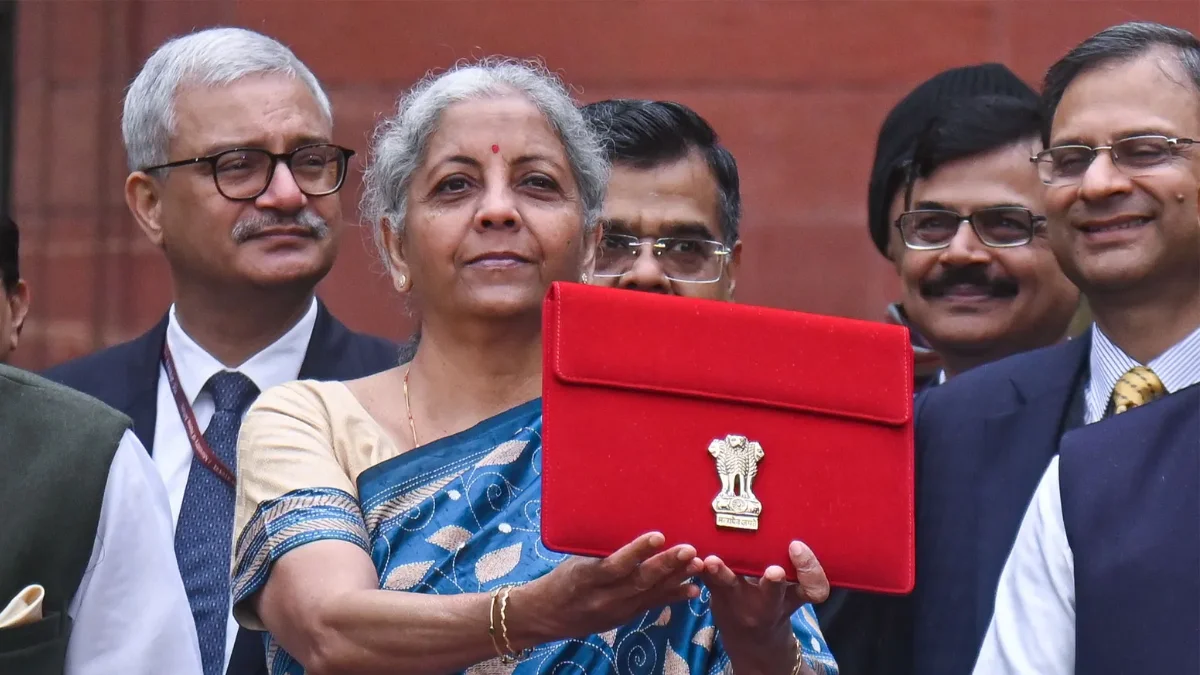
With the Union Budget 2026 scheduled to be presented on February 1, expectations are rising around further tax reforms aimed at easing the burden on individuals and investors. Union Finance Minister Nirmala Sitharaman is expected to continue the government’s recent focus on taxpayer-friendly measures, with experts anticipating steps that could simplify compliance and strengthen India’s tax framework.

Union Budget 2025 Brought Significant Tax Relief

The previous Union Budget marked a major milestone for taxpayers. In Budget 2025, Finance Minister Nirmala Sitharaman announced a tax exemption for individuals earning up to ₹12 lakh annually, extending relief to a large section of salaried and middle-income taxpayers.
Earlier budgets also saw important reforms. Union Budget 2024 revamped capital gains taxation, offering relief to investors, while Budget 2020 introduced the new income tax regime. To enhance its attractiveness, the government later added a standard deduction of ₹75,000 under the new regime.
Cryptocurrency Taxation May Be Reviewed
Cryptocurrency investors are also closely watching Budget 2026. Tax experts suggest that the government may address long-standing concerns of the crypto industry and its investors.
Cryptocurrencies were brought under the tax net in Union Budget 2022, when a 1% Tax Deducted at Source (TDS) on transactions involving virtual digital assets (VDAs) was introduced, along with a flat 30% tax on profits. Since then, industry stakeholders have repeatedly sought relief, citing issues such as low liquidity and compliance challenges. There is hope that the upcoming budget could offer some concessions or rationalisation in crypto taxation.
Possible Hike in Tax-Free LTCG Limit on Equities
Another key area of focus could be Long-Term Capital Gains (LTCG) on equities and equity mutual funds. In Union Budget 2024, the government increased the tax-free LTCG limit to ₹1.25 lakh per financial year.
Experts now believe this exemption limit could be raised further to ₹2 lakh in Budget 2026. Currently, LTCG up to ₹1.25 lakh is exempt from tax. A higher limit could encourage greater participation in equity markets and mutual fund investments.
Higher Basic Exemption Limit Under the New Tax Regime?
Under the new tax regime, the basic exemption limit is ₹4 lakh, meaning individuals earning up to this amount annually are not required to pay income tax. However, many tax experts have suggested increasing this threshold to ₹5 lakh.
If implemented, such a move would provide direct relief to low-income earners and further enhance the appeal of the new tax regime.
Insurance Deductions May Be Extended to the New Regime
Another expectation from Budget 2026 is the extension of insurance-related deductions to the new tax regime. Currently, deductions for term life insurance premiums under Section 80C and health insurance premiums under Section 80D are available only under the old tax regime.
Tax experts believe the government may consider allowing these deductions under the new regime as well, making it more comprehensive and attractive for taxpayers.
As February 1 approaches, all eyes will be on the Finance Minister to see whether these expectations translate into concrete policy announcements in Union Budget 2026.
👉 Click here to read the latest Gujarat news on TheLiveAhmedabad.com