February is set to bring several important changes this year that could directly impact the daily lives of citizens. From taxes and fuel prices to stock markets and household expenses, multiple rules and rates are expected to change starting February 1, 2026. Being aware of these updates will be crucial for managing household budgets, investments, and everyday spending.

On February 1, 2026, Finance Minister Nirmala Sitharaman will present the Union Budget in Parliament, marking her ninth consecutive budget. The announcements made during the Budget are expected to influence taxation, fuel prices, and various economic sectors.

At present, income up to ?12.75 lakh is exempt from tax under the new tax regime. However, taxpayers are keenly awaiting clarity on the differences between the old and new tax systems and which option will be more beneficial going forward.
FASTag Update
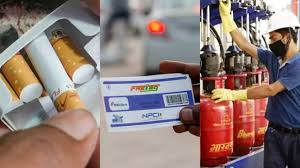
The National Highways Authority of India (NHAI) has announced a major change related to FASTag. From February 1, the KYC verification process will be completely removed after FASTag activation. Banks issuing FASTags will now be fully responsible for verifying vehicle-related details, eliminating the need for additional KYC procedures.
Stock Markets to Remain Open on Budget Day
Contrary to earlier years, stock markets will remain open on Budget Day. Both the NSE and BSE will operate during normal trading hours, from 9:15 am to 3:30 pm. Since the Budget will be presented at 11 am, market volatility is expected during the session.
New LPG Cylinder Prices
Oil companies are likely to announce new LPG cylinder prices on February 1. Revised rates for both domestic and commercial cylinders will be released. The price of the 19 kg commercial cylinder, which has seen frequent fluctuations, was reduced by ?14.50 last month. The upcoming revision will determine whether household kitchen expenses rise or fall.
Changes in CNG, PNG, and Aviation Fuel Prices
Prices of CNG, PNG, and aviation fuel may also be revised from February 1. Any increase in CNG or PNG rates could lead to higher household and transportation costs, while changes in aviation fuel prices may directly affect airfares.
Pan Masala, Cigarettes, and Tobacco to Get Costlier
Products such as pan masala, cigarettes, and tobacco are expected to become more expensive due to higher taxation. The government plans to increase GST, excise duty, and cess, along with additional health and national security-related taxes, particularly on pan masala.
Impact on Your Pocket
The changes coming into effect on February 1, 2026, are expected to have a direct impact on personal finances, spending habits, and financial planning. Updates related to the Budget, taxation, fuel prices, investments, and government schemes will play a key role in shaping the economic outlook for ordinary citizens.
👉 Click here to read the latest Gujarat news on TheLiveAhmedabad.com