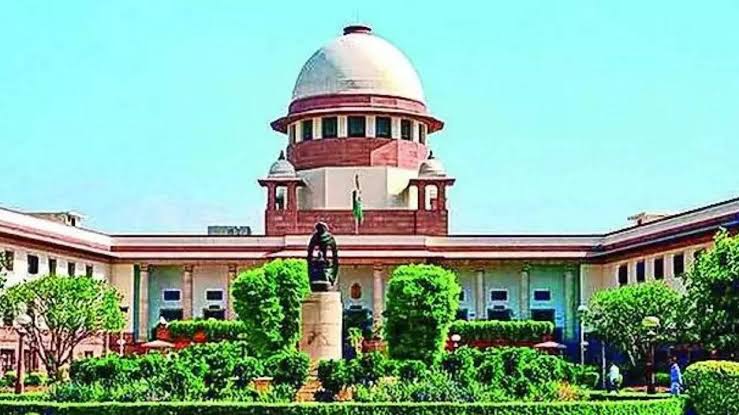
In a landmark judgment aimed at promoting dignity, equality, and access to education for girls, the Supreme Court on Friday directed all private and government schools across India to provide free sanitary pads to female students and maintain separate washroom facilities for boys and girls.
The court warned that schools failing to comply could face cancellation of their recognition.
Additionally, the apex court instructed all states and Union Territories to build disability-friendly toilets in every school, ensuring that sanitation facilities are inclusive and accessible for children with special needs.
PIL Drives the Order
The ruling comes from a 2024 Public Interest Litigation (PIL) filed by social worker Jaya Thakur, who sought nationwide implementation of the Central government’s Menstrual Hygiene Policy.
The petitioner highlighted how inadequate menstrual hygiene facilities in schools negatively affect girls’ education, health, and dignity, often forcing them to miss classes or drop out entirely.
Constitutional Concerns Raised
During the hearing, the Supreme Court addressed two key constitutional issues:
Article 14 (Right to Equality): Lack of separate toilets for girls denies them equal access to education and participation in school activities.
Article 21 (Right to Life and Dignity): Failure to provide sanitary pads infringes on personal dignity, privacy, and health.
The court emphasized that girls cannot fully participate in school life without basic menstrual hygiene support.
Court Highlights Societal Issue
The bench went beyond legal compliance, calling the issue a social concern. “This order is not just for legal institutions. It is for classrooms where girls hesitate to ask for help, for teachers who want to support students but lack resources, and for parents who may not fully understand the impact of their silence,” the court said.
The judgment underscores that true progress is measured by how society protects its most vulnerable, sending a strong message to girls who have missed school due to menstruation-related challenges—a burden imposed by society, not their bodies.
Petitioner Highlights Dropout Crisis
Jaya Thakur noted that many girls, especially from economically weaker families, skip school or drop out during menstruation due to the unaffordability of sanitary pads.
She explained that girls are often forced to use cloth, making school attendance uncomfortable and unsafe. The absence of free pads and proper disposal facilities further discourages attendance, directly impacting their academic continuity.
A Step Toward Inclusive Education
The Supreme Court’s directive seeks to remove structural barriers that prevent girls from accessing education with dignity. It also aims to make schools safer and more inclusive for all students, including children with disabilities.

👉 Click here to read the latest Gujarat news on TheLiveAhmedabad.com