
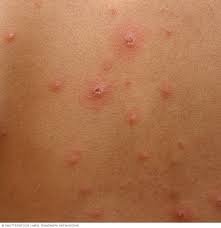
Chickenpox (varicella), once largely seen during the summer months, is now being reported even in winter due to changing weather patterns and irregular seasonal cycles. Although the number of cases remains relatively low, the disease is highly contagious, making it important for parents and children to take proper precautions.

Chickenpox is a viral infection that mainly affects young children. Early symptoms include fever, red rashes on the body, itching, and general weakness. Within a few days, the rashes turn into fluid-filled blisters that eventually dry up. Without proper care, the infection can easily spread to others.

Explaining the increased risk during winter, the Medical Superintendent of Government Medical College and Hospital and a noted paediatrician said that children tend to spend more time indoors during colder months. Close contact in schools, hostels, and crowded places facilitates the rapid spread of the infection. Parents are advised to seek immediate medical attention if a child develops fever or rashes and to avoid sending affected children to school.
Highlighting preventive measures, Dr Avinash Gawande stressed the importance of vaccination. “An effective vaccine against chickenpox is available. Timely vaccination can reduce the severity of the disease or significantly lower the risk of infection,” he said.
Dr Gawande also emphasized maintaining good personal hygiene, frequent handwashing with soap, keeping the patient’s belongings separate, and ensuring cleanliness at home to prevent transmission.
He urged parents not to ignore symptoms, to avoid self-medication, and to consult qualified doctors promptly. With changing disease patterns linked to seasonal shifts, he said vigilance and preventive care remain the most effective ways to protect children from infections such as chickenpox.
👉 Click here to read the latest Gujarat news on TheLiveAhmedabad.com