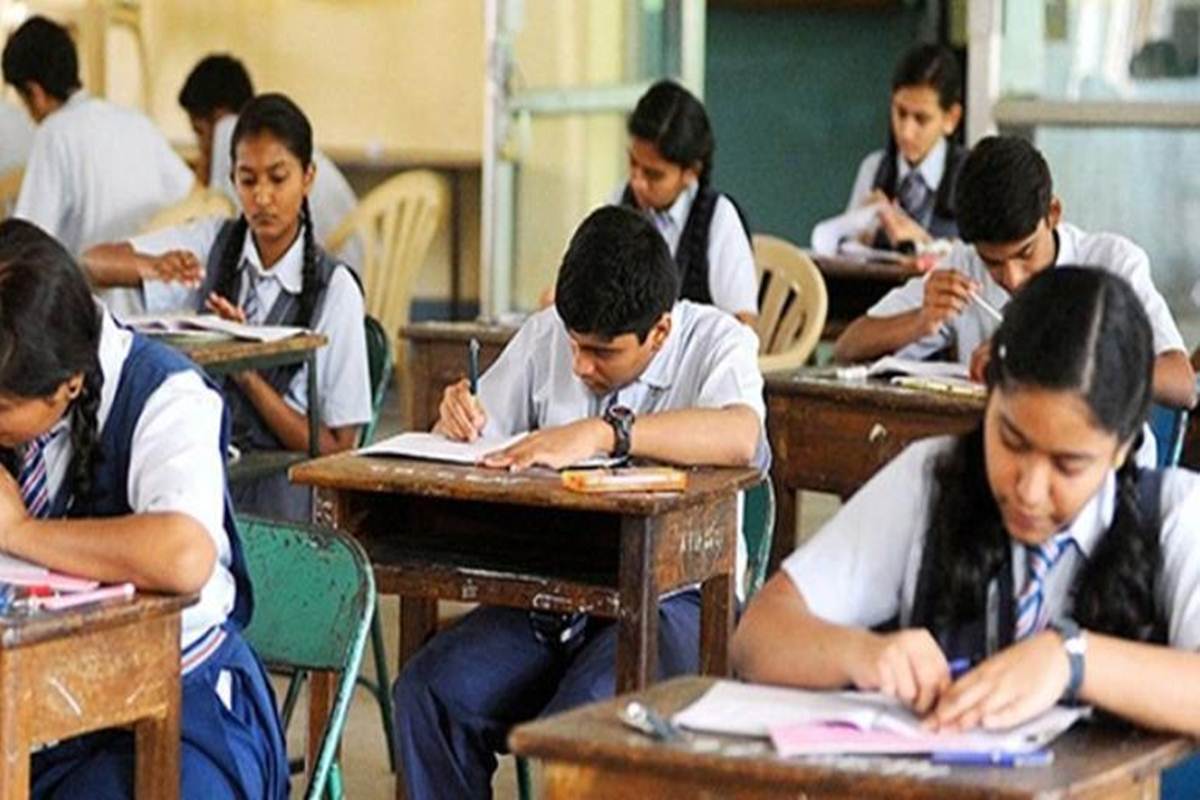
The Central Board of Secondary Education (CBSE) has announced that it will introduce On-Screen Marking (OSM) for the evaluation of Class 12 answer books starting with the 2026 board examinations, according to an official communication issued to schools.

The move is part of CBSE’s efforts to enhance efficiency, transparency, and speed in the evaluation process. The board clarified that the evaluation of Class 10 answer books will continue in physical mode for the 2026 examinations.

“In its continuous effort to enhance efficiency and transparency, the Board has decided to introduce On-Screen Marking (OSM) for the evaluation of Class 12 answer books beginning with the 2026 examinations. The evaluation of Class 10 answer books will continue in physical mode as before in 2026,” the notice stated.
What is On-Screen Marking?
On-Screen Marking (OSM) is a digital evaluation system in which scanned answer sheets are assessed on a computer rather than being marked manually on paper.
CBSE said the system is expected to reduce errors such as incorrect totalling, speed up evaluation, and increase transparency. It will also allow teachers to evaluate answer scripts from their own schools, thereby reducing transportation time and costs.
CBSE conducts Class 10 and Class 12 board examinations annually in India and across 26 countries, catering to nearly 46 lakh students.
According to the board, the shift to digital evaluation for Class 12 will streamline assessment by eliminating manual errors, automating coordination processes, and significantly reducing manual intervention. With OSM, post-result verification of marks will no longer be required, helping reduce manpower needs.
The board added that the new system will enable wider participation of teachers from CBSE-affiliated schools in India and abroad without disrupting regular teaching schedules. It is also expected to contribute to environmentally sustainable practices.
To facilitate the transition, CBSE has directed schools to arrange the necessary infrastructure, including a computer lab with a public static IP, computers or laptops running Windows 8 or above with at least 4 GB RAM, updated internet browsers, Adobe Reader, reliable internet connectivity of at least 2 Mbps, and an uninterrupted power supply.
CBSE said it will support schools and teachers during the rollout by allowing all teachers with OASIS IDs to access and familiarise themselves with the system. The board will conduct multiple dry runs, organise training programmes, release instructional videos, and set up a call centre to address technical issues.
Detailed guidelines for each stage of implementation will be issued separately, the board added.
👉 Click here to read the latest Gujarat news on TheLiveAhmedabad.com