
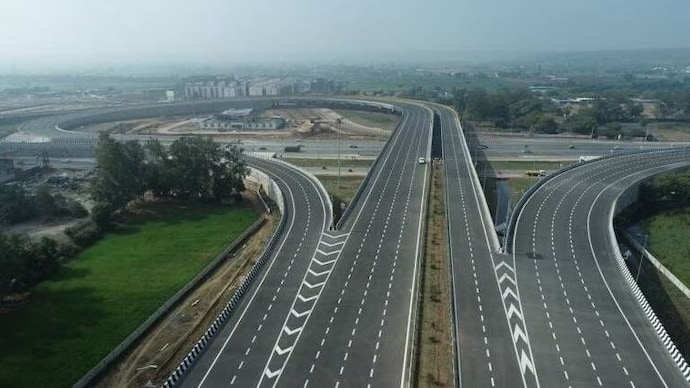
If you’ve ever entered a newly built expressway only to be forced off midway because the road simply ends, you know how frustrating it feels. You pay a premium toll but miss out on the true expressway experience — no seamless drive, no meaningful time savings, and often a diversion back to crowded highways.

From February 15, 2026, however, that is changing.

In a move that benefits both everyday commuters and commercial transporters, the has revised toll rules for partially operational national expressways. Going forward, if an expressway is not open end-to-end, motorists will no longer be charged the higher expressway toll for the usable portion. Instead, they will pay national highway rates for the exact stretch they travel.
What was happening earlier?
Until now, even when only part of an expressway was functional, users were charged tolls roughly 25% higher than standard national highway rates.
What has changed?
Through a notification issued on February 12, 2026, the government amended the . Under the revised framework:
- Motorists will pay national highway toll rates
- Charges will apply only to the operational stretch actually used
- The higher expressway toll will be levied only once the entire corridor is fully open
This arrangement will remain in place for up to one year or until the expressway becomes fully operational — whichever happens first.
Why was this decision taken?
The idea is straightforward: encourage greater use of completed sections. Many drivers were avoiding partially open expressways because paying premium tolls for an interrupted journey did not make sense. As a result, older highways remained congested while new infrastructure was underutilised.
By rationalising toll rates, the government aims to improve traffic distribution, speed up goods movement, and reduce congestion on parallel routes. For truckers and logistics operators, even modest toll savings across frequent trips can significantly lower operating costs.
What this means for everyday drivers
For long-distance travellers or daily intercity commuters, the change offers practical relief. You now pay for what you actually receive. Newly opened stretches become more appealing, even if the full corridor isn’t complete. These sections typically offer smoother surfaces, safer driving conditions, and faster travel compared to older highways.
The bigger picture
India is currently undertaking one of the world’s largest highway and expressway expansion programmes. Large infrastructure projects often open in phases, and this new toll rule acknowledges that reality. It sends a clear message: drivers should not have to pay premium prices for incomplete infrastructure.
👉 Click here to read the latest Gujarat news on TheLiveAhmedabad.com