
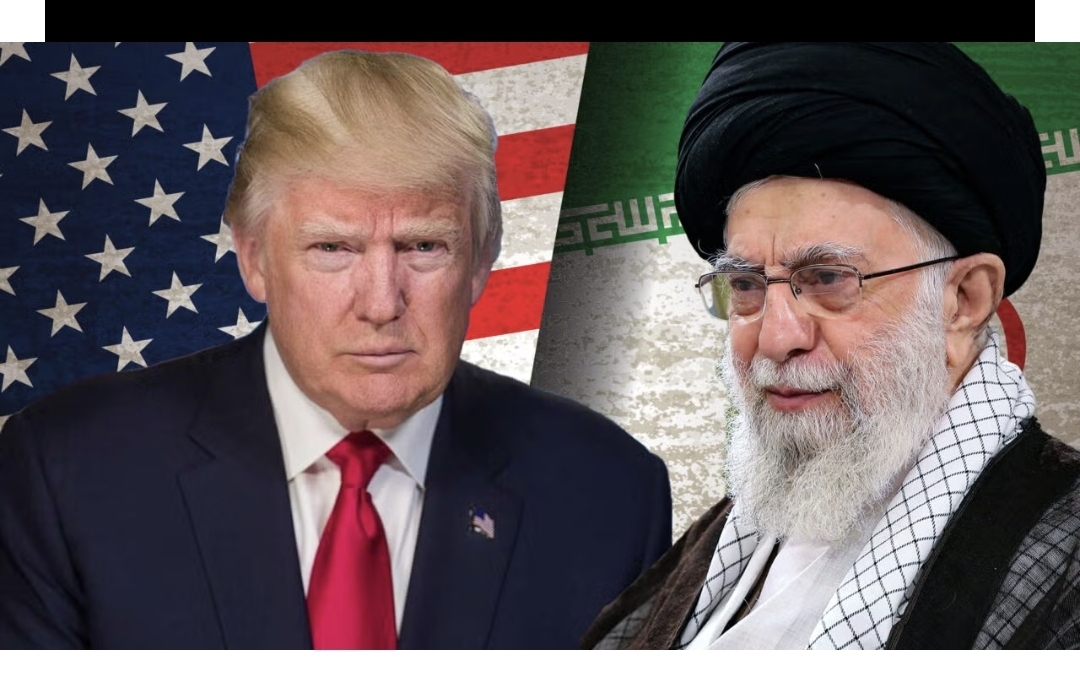
The Indian Embassy in Tehran has issued a strong advisory for its nationals, urging them to leave Iran immediately. This warning arises as fears escalate over a potential US military strike amid ongoing tensions and anti-government protests.

According to the latest advisory, which builds on a prior notice from January 5, 2026, Indian citizens—including students, pilgrims, business people, and tourists—are encouraged to utilize all available transport options to exit the country. The embassy specifically mentioned commercial flights as one of those avenues.

This development coincides with reports suggesting that the threat of an imminent US strike is becoming more serious. Yet, despite these alarming signs, negotiations between Tehran and Washington regarding a nuclear agreement are still in play. The next round of discussions is set for Thursday in Geneva.
The advisory urges caution: “Avoid areas witnessing protests or demonstrations,” it states. It also stresses the importance of keeping travel documents accessible at all times and maintaining contact with the embassy for any needed support.
On the ground in Iran, tensions are palpable. Witnesses report that fresh anti-government protests have erupted across various cities following memorial events for individuals killed during previous demonstrations—events that were violently suppressed by authorities about six weeks ago.
Students have become increasingly vocal; recent protests took place at multiple universities in Tehran and Mashhad. Clashes broke out as pro-government supporters confronted anti-government protesters who were chanting slogans against Iranian leadership.
The backdrop to this unrest includes a significant military presence by the United States near Iranian borders. President Donald Trump has ramped up deployments of advanced frigates and fighter jets into the region while issuing stern warnings aimed at Tehran. This military buildup is described as one of the largest seen in decades.
Trump’s administration appears ready to take decisive action if diplomatic efforts fail; limited airstrikes against Iran remain on the table according to his statements—a stark reminder of rising tensions.
Meanwhile, Iranian officials assert they’re prepared for escalation but emphasize diplomacy remains key moving forward. Foreign Minister Abbas Araghchi noted expectations for fruitful talks with US envoy Steve Witkoff later this week in Geneva. He expressed optimism that a diplomatic resolution could still be achievable regarding nuclear issues.
But how long can this fragile situation maintain stability? While negotiations continue behind closed doors, both sides seem poised for conflict should talks break down further—a prospect neither party seems eager to confront directly yet can’t ignore either.
👉 Click here to read the latest Gujarat news on TheLiveAhmedabad.com