
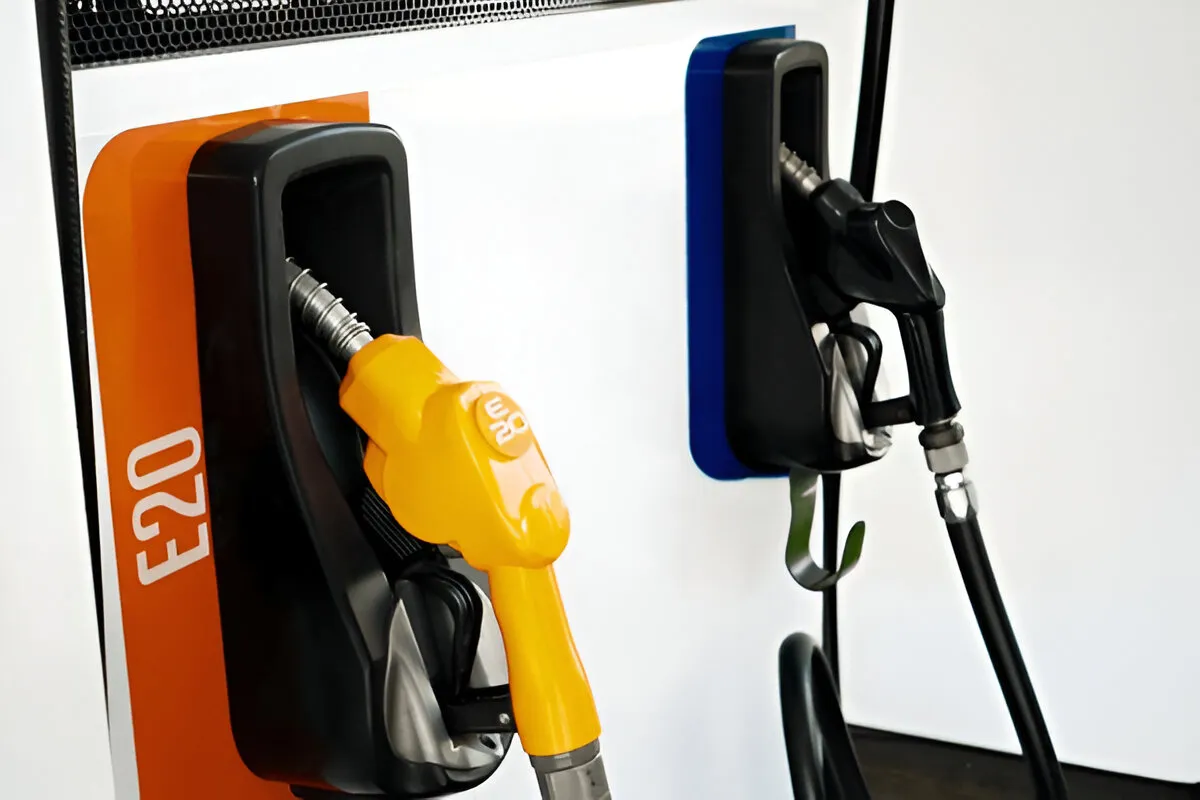
From April 1, 2026, filling up your vehicle at petrol pumps across will come with a key change: fuel stations will be required to sell E20 petrol, a blend containing 20% ethanol.

The step is part of the government’s broader strategy to reduce crude oil imports, cut emissions and boost farmers’ incomes.

What the new rule says
On February 17, the issued a notification making it mandatory for oil marketing companies to supply petrol blended with up to 20% ethanol and having a minimum Research Octane Number (RON) of 95. The rule will apply across all states and Union Territories, though limited exemptions may be granted for specific regions or periods under special circumstances.
In simple terms, from April 1 onward, petrol sold at pumps must comply with the new blending and quality norms.
Why the push for E20?
India has steadily increased ethanol blending in recent years. In June 2022, the country achieved 10% blending ahead of schedule. The 20% target, originally planned for 2030, has now been advanced to 2025-26.
The objective is clear: lower dependence on imported crude and reduce harmful emissions. Official estimates suggest that ethanol blending since 2014-15 has helped save over Rs 1.40 lakh crore in foreign exchange.
Ethanol, produced from crops such as sugarcane and maize, is a renewable, domestically sourced fuel. It also creates demand for surplus agricultural produce, providing additional income opportunities for farmers.
What is E20 petrol?
E20 petrol is a mix of 20% ethanol and 80% conventional petrol. Ethanol has a high octane rating of around 108 RON, which improves resistance to engine knocking. To ensure stable engine performance, the new mandate requires petrol to have a minimum RON of 95.
Higher RON fuel can withstand greater compression before igniting, reducing knocking, improving smoothness and protecting engines over time.
Impact on mileage and performance
Most vehicles manufactured between 2023 and 2025 are designed to run on E20 fuel, and experts do not anticipate major technical issues. The government has said that E20 may even offer smoother driving and better acceleration in modern engines.
However, older vehicles could experience a slight dip in fuel efficiency—estimated between 3% and 7%. Some rubber and plastic components in older engines may also wear faster over time. The Petroleum Ministry has previously cited studies by IOCL, ARAI and SIAM to dismiss concerns about significant engine damage.
A life-cycle assessment by found that ethanol derived from sugarcane and maize can cut greenhouse gas emissions by roughly 50% to 65% compared to petrol.
What about pricing?
E20 petrol is expected to be priced between Rs 97 and Rs 106 per litre, depending on local taxes and location. While there may be minor price variations, the government maintains that the long-term environmental and economic gains outweigh any marginal increase in cost.
With the April 1 deadline nearing, India is preparing to take a significant step toward cleaner fuels and greater energy security.
👉 Click here to read the latest Gujarat news on TheLiveAhmedabad.com