
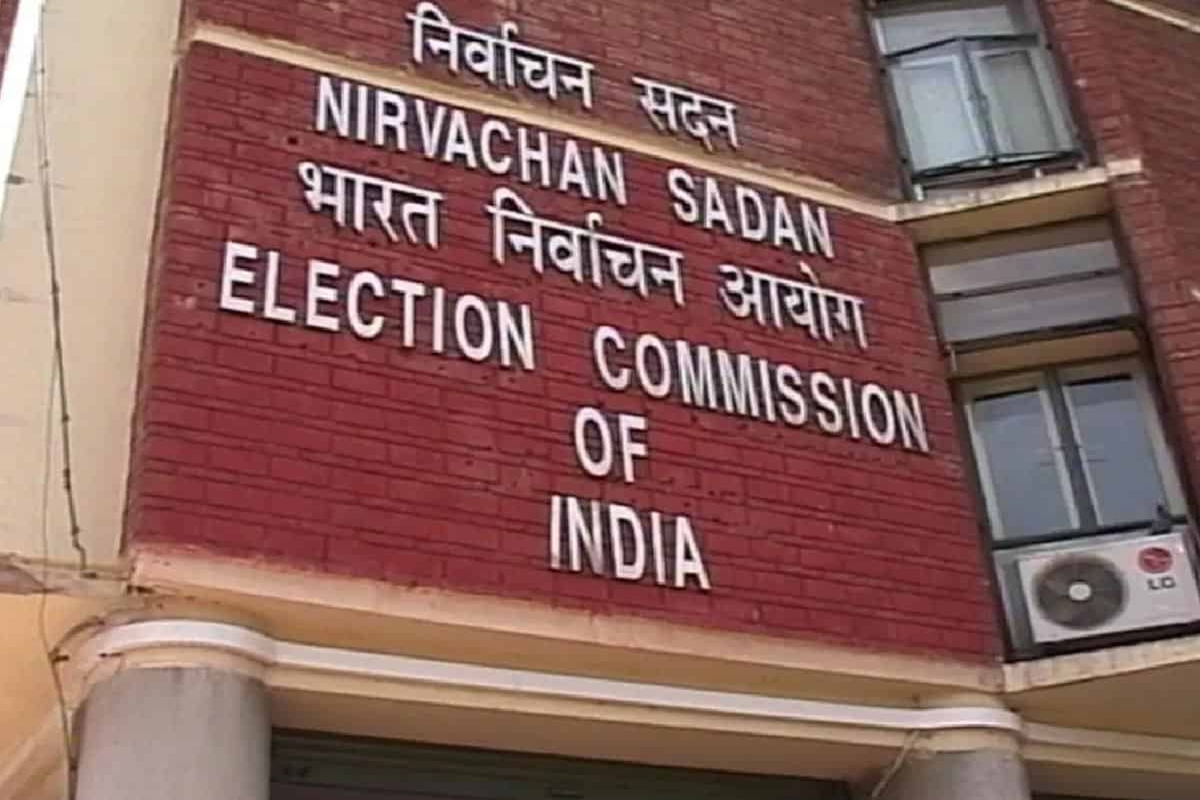
The Election Commission of India (ECI) on Sunday announced the schedule for Assembly elections in four states and one Union Territory. Voting in Assam, Kerala and Puducherry will take place in a single phase on April 9. Tamil Nadu and West Bengal will vote from April 23, with West Bengal holding its election in two phases — the second scheduled for April 29. The results for all five regions will be declared on May 4.

Ahead of the polls, a special intensive revision of voter lists has already been completed in the four states and the Union Territory, and the final electoral rolls have been published.

Earlier this month, Chief Election Commissioner Gyanesh Kumar, along with Election Commissioners Sukhbir Singh Sandhu and Vivek Joshi, visited West Bengal on March 10 to review election preparedness. The Commission also conducted similar reviews in the other poll-bound states.
West Bengal, which has 294 Assembly seats, is expected to witness a direct contest between the ruling Trinamool Congress (TMC) and the Bharatiya Janata Party (BJP). The TMC, led by Mamata Banerjee, has been in power in the state since 2011.
In Assam, the election will decide the fate of 126 Assembly seats, with the ruling BJP-led National Democratic Alliance (NDA) facing the Congress-led opposition.
Kerala’s 140-seat Assembly will primarily see a contest between the Left Democratic Front (LDF) and the United Democratic Front (UDF). The BJP-led NDA is also in the fray and is planning to contest around 100 seats, while its allies Bharat Dharma Jana Sena (BDJS) and Twenty20 are expected to field candidates in the remaining 40 seats.
Political parties in Tamil Nadu are stepping up their campaigns and finalising seat-sharing arrangements within alliances for the state’s 234 Assembly seats.
In Puducherry, elections will be held for all 30 constituencies of the 16th Legislative Assembly. The Congress is contesting in alliance with the DMK and CPI, while the opposition alliance comprises the All India NR Congress, BJP and AIADMK.
According to an official release, the Election Commission has also appointed Central Observers under the plenary powers granted by Article 324 of the Constitution and Section 20B of the Representation of the People Act, 1951. These observers will assist the Commission in ensuring free and fair elections and will oversee the efficient management of the electoral process at the field level.
👉 Click here to read the latest Gujarat news on TheLiveAhmedabad.com