
Menstruation is a natural and healthy part of a woman’s life, yet it continues to be surrounded by stigma, myths, and silence in many societies. Every month, millions of girls and women experience periods, but conversations around menstrual hygiene are often avoided or considered uncomfortable. On the occasion of World Menstrual Hygiene Day, it is important to spread awareness about menstrual health, encourage open discussions, and promote healthy hygiene practices that can improve the well-being and confidence of women everywhere.

At Wockhardt Hospitals, we believe that menstrual health is an essential part of overall women’s wellness. Menstrual hygiene is not just about using sanitary products; it is about maintaining cleanliness, understanding one’s body, and ensuring physical as well as emotional well-being during every stage of life.

Menstrual hygiene refers to the practices and care required during menstruation to maintain cleanliness, comfort, and good health. Proper menstrual hygiene not only helps prevent infections but also supports emotional well-being and confidence.
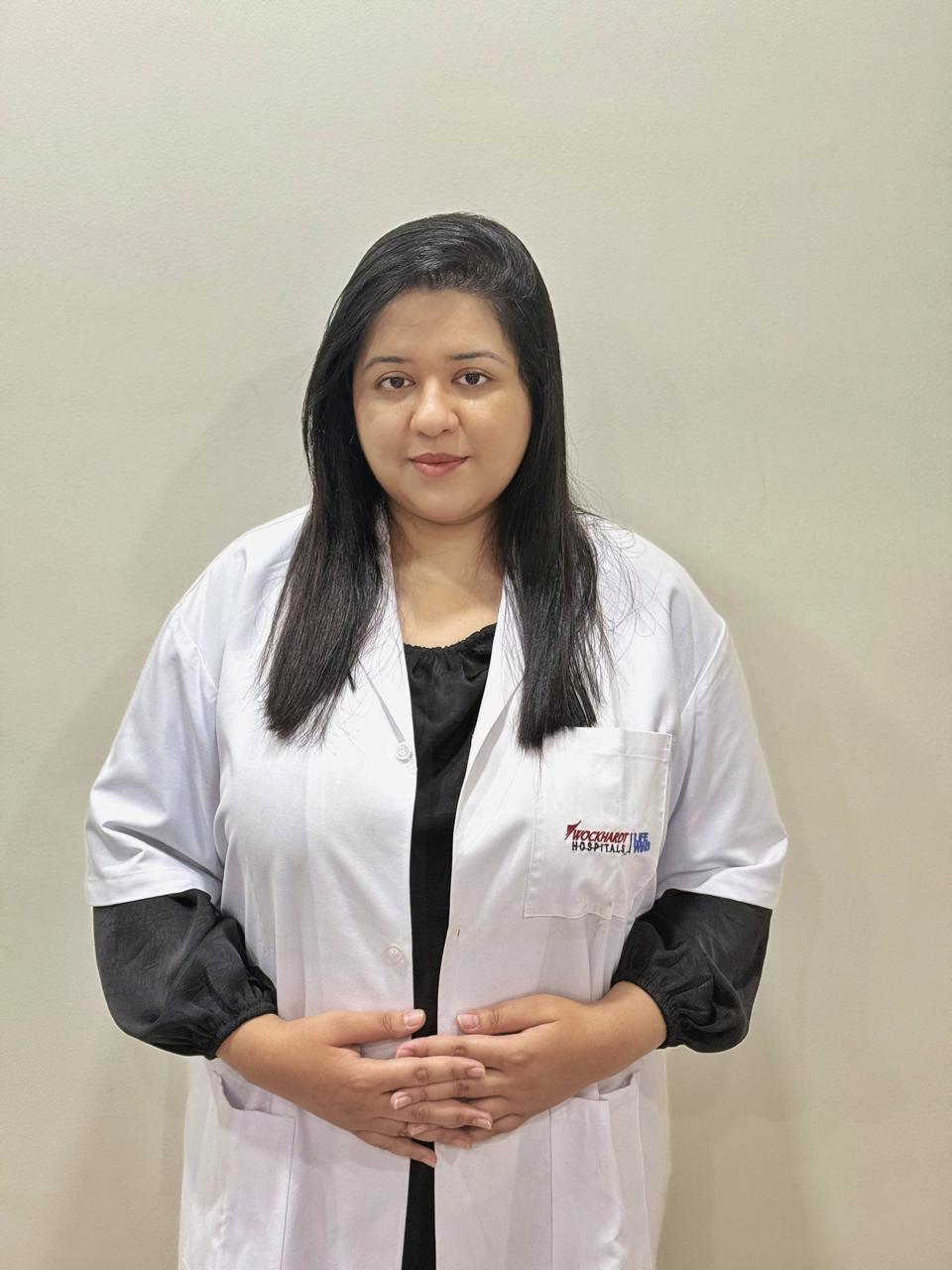
Dr. Shefali Chavhan, Consultant Gynecologist at Wockhardt Hospitals, emphasizes that menstrual hygiene is a vital part of women’s healthcare and should never be ignored.
“Many a times, repeated white discharge accompanied by itching can be a symptom of a more serious infection which is often ignored or missed. Similarly, severe pain during menstruation should never be considered normal, as it can sometimes indicate underlying uterine pathology. These conditions can be diagnosed and treated at an early stage if women undergo regular gynecological check-ups.”
At Wockhardt Hospitals, specialists stress that women should pay close attention to symptoms such as persistent itching, abnormal discharge, unusually heavy bleeding, irregular cycles, or intense menstrual cramps.
Another major challenge linked to menstrual health is the social stigma associated with periods. Creating awareness through education is the key to breaking these barriers.
Nutrition and lifestyle also have a significant impact on menstrual health. A healthy diet, hydration, proper rest, and regular physical activity help improve reproductive health.
This World Menstrual Hygiene Day, Wockhardt Hospitals urges women to prioritize regular gynecological check-ups and not ignore unusual menstrual symptoms.
Because menstrual hygiene is not just about cleanliness — it is about awareness, early diagnosis, dignity, and empowering women to take charge of their health.
👉 Click here to read the latest Gujarat news on TheLiveAhmedabad.com