
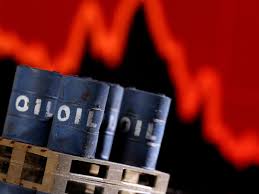
Soaring prices of petrol, CNG and LPG have already strained household budgets across the world. However, experts now caution that the fallout could extend far beyond higher fuel costs, potentially posing a serious threat to the global economy.

The International Energy Agency (IEA) has warned that the world economy could enter a “red zone” if disruptions to commercial shipping through the Strait of Hormuz continue beyond June. The warning comes amid the ongoing US-Iran conflict, which has affected movement through the strategic waterway that handles a significant share of global oil and gas trade.

Energy Safety Nets Running Thin
According to media reports, IEA Executive Director Fatih Birol said the world is rapidly exhausting the buffers that have helped contain the impact of the conflict on energy prices. He described the current situation as the largest energy crisis in history, resulting in substantial losses of oil and natural gas supplies and carrying potentially severe consequences for the global economy.
“The inventories, the stocks, the money in the pocket is diminishing, and new money is not coming in. We are coming at the bottom of those, and as I said, if we are not able to see a fully and unconditional opening of Strait of Hormuz by end of June, July, and August, the travel season around the world in many countries are starting the flights and the cars and the buses, we may be entering the ‘red zone’ for the global economy, especially those in Asia,” he told to media.
Birol further noted that energy markets could remain volatile even if the US and Iran eventually reach an agreement and shipping through the Strait of Hormuz resumes normally.
“We are also likely to see upward pressure on inflation in several countries, particularly where currencies are not very strong. Looking at the next few weeks and months, I believe this will be a transitional period. It will not be easy to restore all the Middle East oil supplies, considering that the region exports more than 20% of the world’s oil,” he added.
Will More Emergency Oil Be Released?
In March, all 32 IEA member countries agreed to release 400 million barrels of oil from emergency reserves to help stabilise markets disrupted by the conflict in West Asia. According to Birol, the move played a major role in easing market concerns and bringing down crude prices.
“We saw that as soon as the markets learned that this oil was coming to help calm conditions, prices went down by about $20 per barrel. It provided relief, it was very effective, and it was a unanimous decision of our member countries and many countries that are in the accession process to become full IEA members, such as India, also gave strong support,” Birol told to media.
No Immediate Plans for Another Release
While the agency continues to closely monitor developments in global energy markets, Birol said the situation has not yet reached a stage where a second emergency release of oil reserves is warranted.
“If we believe it is the right time, we will definitely go for it. But at the moment, we are not there.”
👉 Click here to read the latest Gujarat news on TheLiveAhmedabad.com