
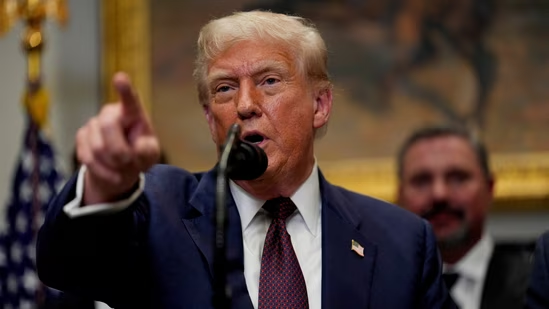
In a significant escalation of U.S. trade policy, President Donald Trump on Thursday signed an executive order enforcing new tariffs on a wide range of imports from 68 countries and the European Union. The fresh duties, termed “reciprocal tariffs,” are set to be imposed starting August 7, with rates ranging between 10% and 41% depending on the country.

The executive order, a key step in Trump’s long-term trade strategy, is expected to shake global economic ties and challenge long-standing U.S. trade relationships. According to a senior White House official, the delay in enforcement allows time for U.S. customs and border officials to prepare for the transition.

As part of this decision, India will now face a 25% import tariff on its goods entering the U.S. The move also affects major export-driven economies such as Vietnam (20%), Malaysia (19%), and Brazil (10%). The highest tariffs are being imposed on Syria (41%), Myanmar (40%), and Switzerland (39%).
While Trump extended ongoing trade negotiations with Mexico by 90 days, many nations still face uncertainty regarding future agreements. Meanwhile, businesses worldwide are preparing for potential price hikes and disruptions in trade.
Additionally, U.S. appellate judges have expressed concern over the legality of this expansive policy, raising the possibility of future court challenges.
👉 Click here to read the latest Gujarat news on TheLiveAhmedabad.com