Have you ever seen a child who is unable to sit, stand, or walk like other children their age? Or noticed a baby who feels unusually floppy and doesn’t move their hands or legs as much as expected? These signs may seem like simple delays in development, but sometimes, they can be the early symptoms of a serious genetic disorder known as Spinal Muscular Atrophy (SMA). This is a condition that every parent, caregiver, and healthcare worker should be aware of — because early detection can make a life-changing difference.

Spinal Muscular Atrophy (SMA) is a rare but severe genetic disorder that affects the control of muscle movement. Unlike illnesses caused by infections or injuries, SMA is inherited from both parents through a faulty gene. In children with SMA, the nerve cells in the spinal cord — specifically the motor neurons — begin to deteriorate and stop sending signals to the muscles. As a result, the muscles gradually weaken and begin to waste away, a process known as muscle atrophy. This condition most commonly affects infants and young children, although in some cases, symptoms may appear later in childhood or even in adulthood.

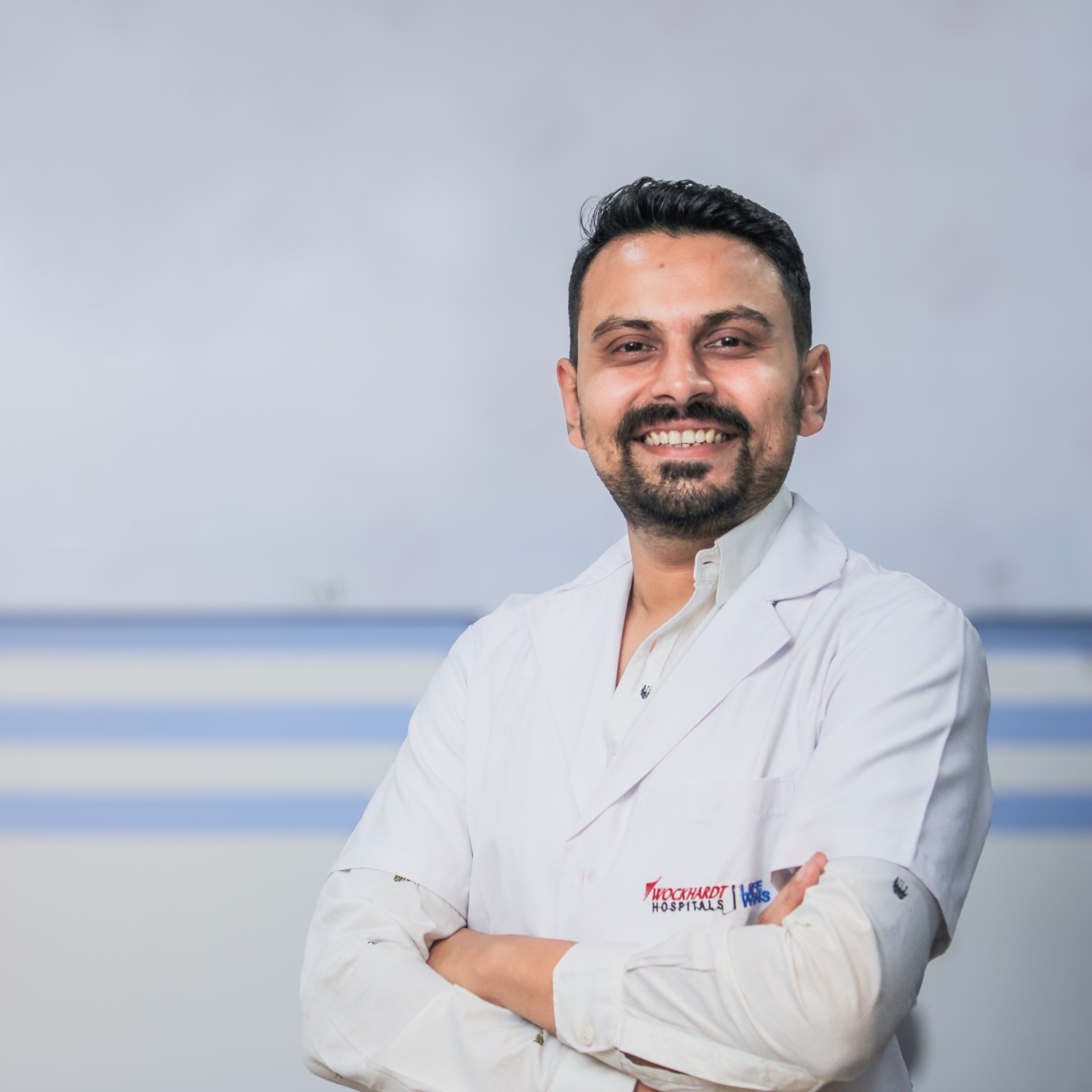
According to Dr. Amit Bhatti, Senior Neurologist and Stroke Specialist at Wockhardt Hospitals, “SMA is one of those conditions where time is truly muscle. The earlier we detect it, the more effectively we can manage the disease and protect the child’s quality of life. Delayed diagnosis can lead to irreversible damage.” This is why being aware of the warning signs is so crucial for parents and pediatricians alike.
Some of the most common early signs of SMA in babies include reduced movement of the arms and legs, a floppy body, poor head control, or difficulty in swallowing and breathing. In older children, parents may notice that the child struggles to sit, stand, or walk independently, or experiences frequent falls and fatigue during physical activities. These symptoms should never be dismissed as normal developmental delays. If any of these signs are observed, it is essential to consult a pediatric neurologist immediately.
The importance of early diagnosis in SMA cannot be overstated. In recent years, medical science has made significant progress in the treatment of SMA, and several advanced therapies are now available in India. However, these treatments are most effective when started at the earliest possible stage — in some cases, even before the child begins to show symptoms. A simple genetic blood test can confirm the presence of SMA. In many developed countries, this test is included in routine newborn screening, allowing for early intervention. It is our hope that India will soon adopt similar policies to screen every newborn for SMA.
Fortunately, there are treatments available today that offer real hope for families affected by SMA. One of the most promising is gene therapy, specifically a drug called Zolgensma. This is a one-time intravenous injection that delivers a healthy copy of the faulty gene, aiming to stop the progression of the disease. Other approved medications, such as Risdiplam (taken orally) and Nusinersen (an injection into the spinal fluid), work by helping the body produce more of the protein needed for motor neuron survival. These therapies have helped many children around the world regain strength, improve mobility, and live longer, more fulfilling lives.
However, these treatments come with significant financial challenges. Some gene therapies cost crores of rupees, making them inaccessible for many families without government aid or insurance support. That’s why government intervention, corporate sponsorship, and public donations are so important in making life-saving treatments available to all.
As parents, caregivers, and responsible citizens, we all have a role to play. Learn to recognize the signs of SMA, ensure that your pediatrician is aware of them, and advocate for early testing and diagnosis. Support initiatives that push for newborn screening to become mandatory in India. Spread awareness among other families so that no child suffers simply because the people around them did not know what to look for. And most importantly, lend your voice to the call for government programs that fund and facilitate treatment for rare diseases like SMA.
In the past, a diagnosis of SMA often came with a bleak prognosis. Many children did not survive beyond their early years, and those who did lived with severe disabilities. But today, thanks to medical advancements, children with SMA have a genuine chance at life — if they are diagnosed and treated in time.
As Dr. Amit Bhatti rightly says, “No child should lose their future because of a disease we already know how to treat. Awareness, timely action, and support can change everything.”
Let us not allow lack of knowledge to be the reason a child loses their chance at life. Let’s talk about Spinal Muscular Atrophy. Let’s support early diagnosis. Let’s create hope — together.
By Dr. Amit Bhatti, Neurologist and Stroke Specialist
👉 Click here to read the latest Gujarat news on TheLiveAhmedabad.com