
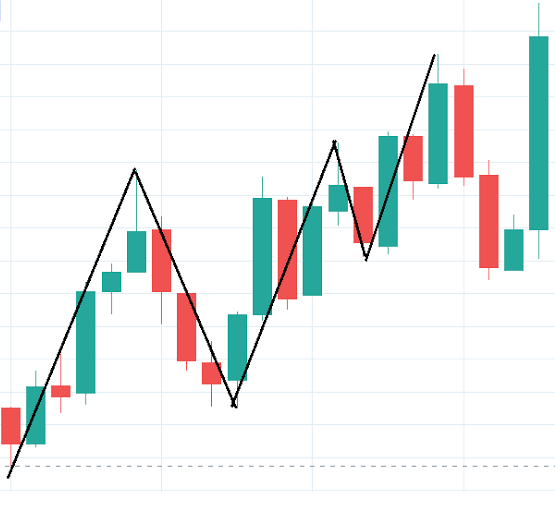
Each trader has their own method of trading in the markets. While some like to make several trades throughout the day, others seek many opportunities to trade in a few minutes. Both of these methods have their advantages and disadvantages.

The selection of an appropriate trading style depends on a variety of factors, including the amount of time available, trading experience and risk-taking appetite. Understanding the differences can help you decide which approach aligns better with your goals.

What are the two fast-paced trading styles?
Intraday trading is the purchase and sale of securities during the same trading day. All trades are closed before the end of the trading session, and traders do not roll over their positions overnight.
The aim is to profit from daily price fluctuations. Traders typically pay attention to charts, price trends and market news all the while of trading hours, as market conditions often fluctuate rapidly.
Scalping trading is a shorter time period trading strategy. Scalpers don’t hold on to their trades for hours; they might trade several times in a matter of minutes, trying to take advantage of the small price fluctuations.
Since each trade focuses on small gains, scalping mostly requires a number of trades in a single trading session. It demands a fast and rapid reaction time and a close watch of market fluctuations.
How can you decide which style suits you?
Here is how to decide which style suits you best.
Consider how much time you can dedicate
One of the most important factors to consider when deciding on a trading style is your daily schedule. Intraday traders are active traders who can hold onto their trades for extended periods throughout the trading day.
Scalpers, on the other hand, must watch the movements of the prices closely, all the time. Just a few minutes lost can mean a lost opportunity.
Understand your trading temperament
Different traders have different reactions toward fast-moving markets. Some are okay with deciding on a trade quickly; others are fine taking the time to do a little more research and analysis of the market before making a trade.
If you’re a bit more stressed about making quick decisions, a trading style with a little less activity throughout the day could be easier. Your style will complement your personality and make it easier to stay disciplined.
Build a trading plan before you begin
No matter what trading strategy you adopt, it’s vital to have a proper trading plan. Before placing a trade, you should set up conditions for entering and exiting positions, position size and risk limits.
A formal strategy can help decrease emotional decision-making and create consistency over time.
Focus on risk management
There is no foolproof trading style that guarantees profits. Markets can turn volatile, and volatility management is a critical component of every trade.
Using suitable position sizing and predetermined stop-loss levels can help keep potential losses to a minimum and promote sound trading practices.
Which trading style should you choose?
There is no one solution that is right for every trader. Intraday trading might be a better option for those who want to make a few trades during trading hours. Whereas scalping trading might be more suitable if you’re comfortable with making quick decisions and closely monitoring market movements all day.
The key is to use the one that is right for you, given your experience, time constraints and trading discipline.
Bottom line
Intraday trading and scalping trading are two options for engaging in short-term movements in the market. But they also need smart preparation, proper discipline and sound risk management.
Know how each trading style works and determine if it fits your trading objectives and discipline before selecting a particular style. It is crucial to take your personality into consideration when choosing a style, rather than just copying the trends.
👉 Click here to read the latest Gujarat news on TheLiveAhmedabad.com