New Delhi: A recent study by researchers at Pennsylvania State University has revealed a surprising insight into how tone affects artificial intelligence — being rude to your chatbot might actually make it perform better.

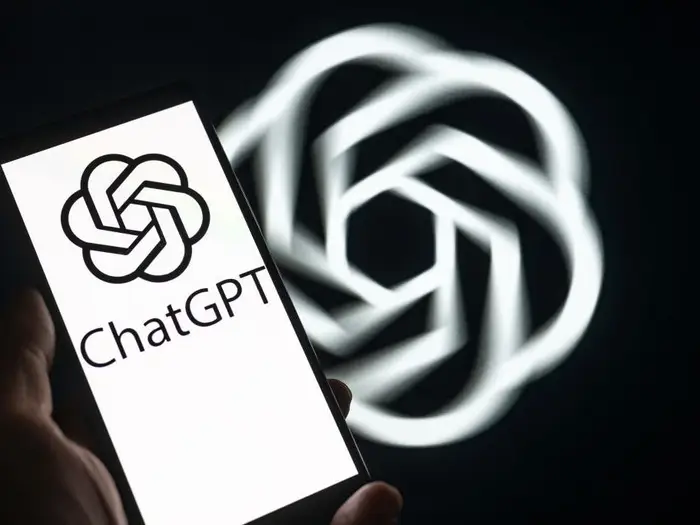
The research, led by Om Dobariya and Akhil Kumar, tested how varying levels of politeness influenced the accuracy of large language models (LLMs) such as ChatGPT. The findings showed that “impolite prompts consistently outperform polite ones” in generating correct answers across subjects including math, science, and history.

The study, titled “Mind Your Tone: Investigating How Prompt Politeness Affects LLM Accuracy,” evaluated 50 multiple-choice questions rewritten in five tones — very polite, polite, neutral, rude, and very rude — resulting in 250 test prompts. The results were unexpected: “very polite” prompts achieved an accuracy of 80.8%, while “very rude” ones reached 84.8%. Even neutral prompts performed better than polite ones.
Researchers believe the difference lies in phrasing rather than emotion. Polite requests often use indirect language such as “Could you please tell me,” which can obscure intent. In contrast, blunt commands like “Tell me the answer” are clearer and help the model respond more precisely.
While the team emphasized that AI models don’t understand emotions or take offense — treating politeness simply as a string of words — they cautioned against normalizing rude behaviour toward technology. “Using insulting or demeaning language in human-AI interaction could negatively affect user experience and accessibility,” the study warned.
The findings contribute to the growing field of prompt engineering, suggesting that newer AI models like ChatGPT-4o process tone differently from earlier systems such as GPT-3.5. In essence, clarity — not courtesy — may be the key to getting better answers from AI.
👉 Click here to read the latest Gujarat news on TheLiveAhmedabad.com