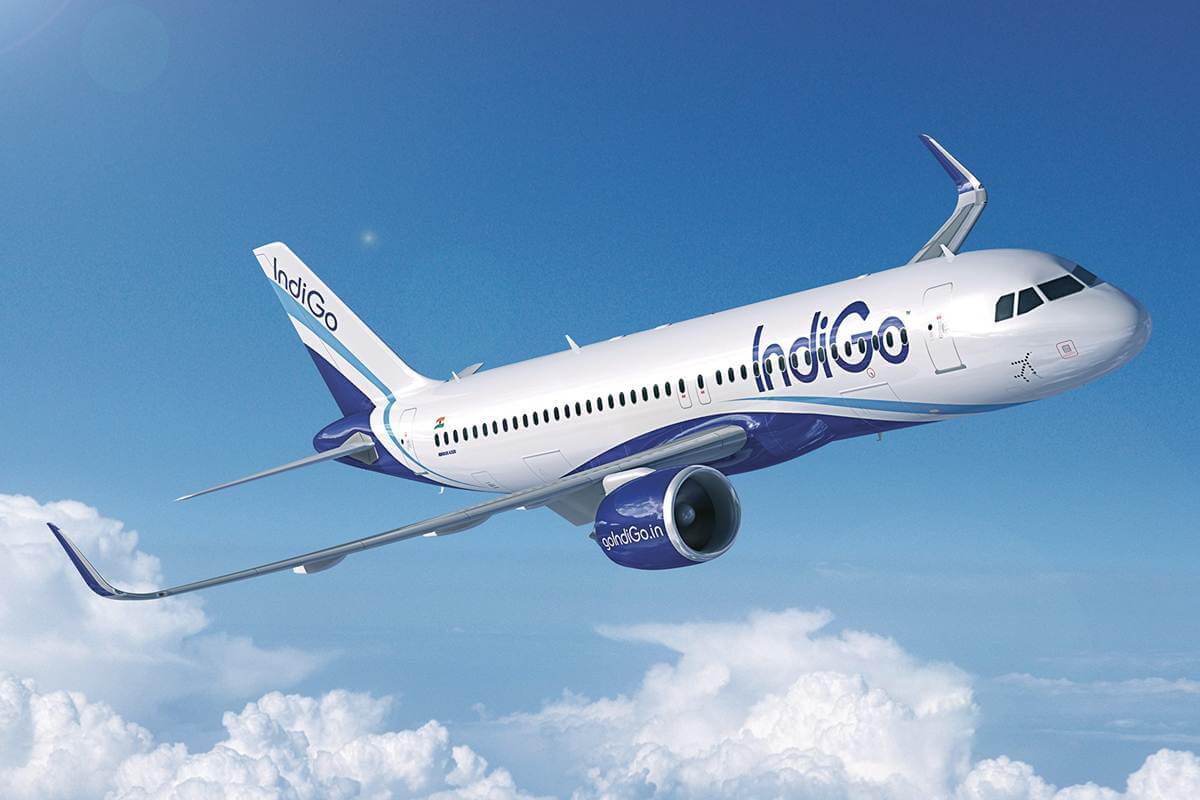
IndiGo has been grappling with a wave of flight cancellations and delays in recent days, leaving thousands of passengers stranded or forced to make alternate, expensive travel arrangements. The root of the disruption at the country’s largest airline — which handles more than 60% of India’s domestic air traffic — is a severe crew shortage triggered by the rollout of the new Flight Duty Time Limitation (FDTL) norms.

The second and final phase of these revised crew duty and rest rules came into force last month, and IndiGo appears to have been caught unprepared. The airline’s on-time performance has plummeted sharply, with only 19.7 per cent of flights operating as scheduled on Wednesday (December 3), compared to 35 per cent on Tuesday and about 50 per cent on Monday.

Airports across India have witnessed chaotic scenes, with angry passengers flooding social media to highlight prolonged delays, last-minute cancellations, and the burden of booking costlier tickets on other carriers. Responding to the crisis, IndiGo issued an apology and began implementing “calibrated adjustments” to its operations — including selective rescheduling and cancellation of flights — to bring schedules back in line with available crew.
The Directorate General of Civil Aviation (DGCA) has sought an explanation from the airline, directing it to provide the “facts leading to the current situation” along with a mitigation plan.
Why IndiGo is hit the hardest
While the new FDTL norms apply to all Indian carriers, industry insiders say IndiGo’s vast scale, dense flight network, and heavy reliance on late-night and early-morning operations have magnified the impact. IndiGo’s business model hinges on high aircraft and crew utilisation, and the introduction of tighter rest requirements — particularly the increase in weekly rest to 48 hours and the cap of two night landings — has significantly disrupted rostering.
Other airlines, currently operating below optimal utilisation due to grounded aircraft and delayed deliveries, have more spare crew capacity, giving them greater operational flexibility.
FDTL rollout and the operational fallout
The new FDTL norms were initially slated for implementation in June 2024, but the deadline was extended after IndiGo and several other carriers requested a phased rollout. However, following instructions from the Delhi High Court, the regulator introduced the rules in two stages — in July and November.
IndiGo navigated the first phase — which mandated longer weekly rest — without major issues. But the second phase, which tightened utilisation for “red-eye” operations, has had a particularly sharp impact on the airline, given the volume of its late-night flights.
IndiGo operates more than 2,300 daily flights with a fleet of over 400 aircraft. Even a 10 per cent cancellation rate translates to more than 230 cancellations. In comparison, Air India — the second-largest airline group — runs less than half as many flights. The cascading effect of delays on narrow-body aircraft operating multiple legs a day worsens the disruption, especially when crew hit their duty-hour limits.
Steps to stabilise operations
According to DGCA data, IndiGo cancelled 1,232 flights in November. Of these, 755 were due to crew shortages and FDTL constraints, 258 were attributed to airspace or airport restrictions, 92 to ATC system issues, and 127 to miscellaneous causes. The airline’s on-time performance dropped steeply from 84.1 per cent in October to 67.7 per cent in November.
IndiGo said on Wednesday that “unforeseen operational challenges” — including technology glitches, winter schedule changes, adverse weather, aviation congestion and full FDTL implementation — have affected operations. The airline is now working to reinforce crew rostering, coordinate more closely with airports and ATC, and strengthen turnaround processes.
Pilot groups blame IndiGo’s planning
Pilot bodies have criticised the airline’s preparedness. The Airline Pilots’ Association of India (ALPA) noted that the disruptions reflect insufficient resource planning by leading airlines, warning that there may be attempts to pressure the regulator into easing the norms.
The Federation of Indian Pilots (FIP) was even more direct, calling the situation the outcome of a “prolonged and unorthodox lean manpower strategy”. It alleged IndiGo maintained a hiring freeze, entered non-poaching agreements, and kept pilot pay stagnant — all despite a two-year window to prepare for FDTL.
It further claimed that after the first phase rollout, the airline cut pilot leave quotas, and after the second phase, attempted to buy back leave — damaging morale at a time when airline executives received “record increments approaching or exceeding 100 per cent”.
Both associations have urged the DGCA to approve airline schedules only after carriers demonstrate adequate crew availability under the new rules. The FIP also asked the regulator to consider reallocating slots from IndiGo to other carriers, including Air India and Akasa Air, if disruptions continue.
👉 Click here to read the latest Gujarat news on TheLiveAhmedabad.com