
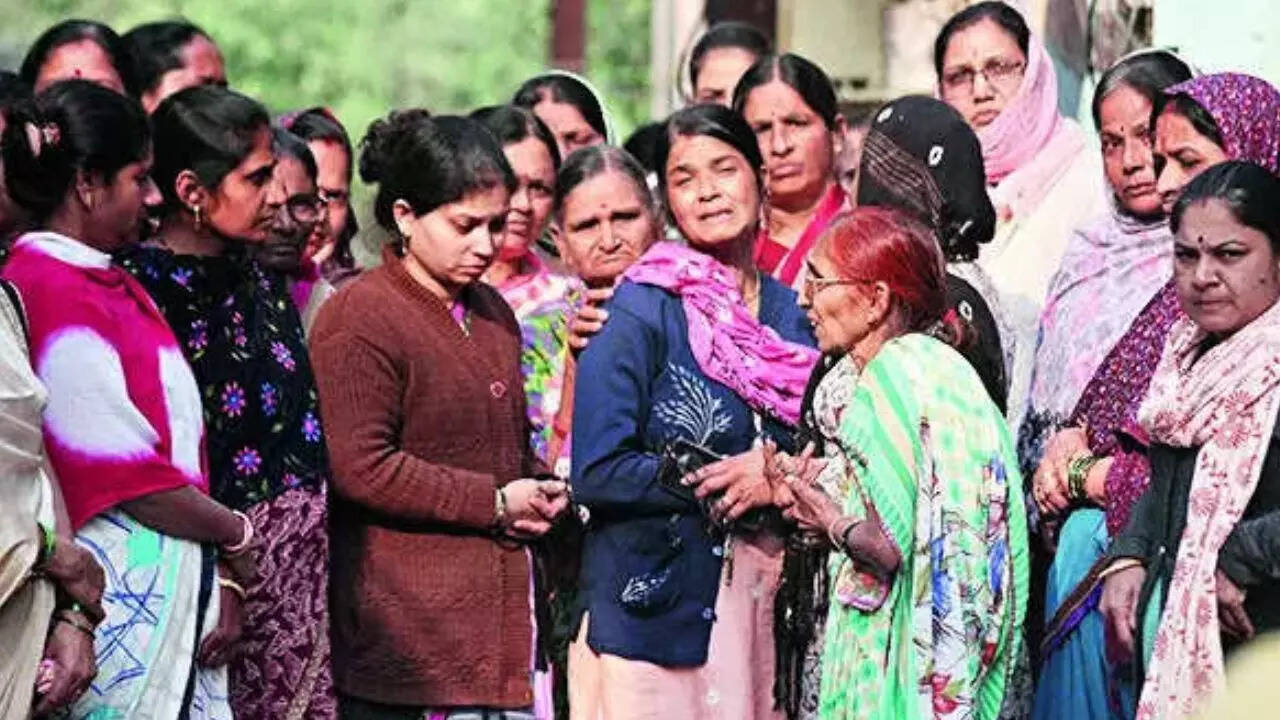
Seven Dead, 162 Hospitalised

A probe into the deadly water contamination incident in Bhagirathpura has exposed major shortcomings in Indore’s water supply and sanitation infrastructure, raising serious concerns over civic oversight. The incident has claimed at least seven lives so far, according to the city mayor, while 162 people are receiving treatment at 27 government and private hospitals.

Indore sources its drinking water from the Narmada River at Jalud in Khargone district, about 80 km away, which is supplied to the city through an extensive pipeline network. According to investigators, failures at multiple points in this system allowed sewage to mix with drinking water, triggering the outbreak.
What Went Wrong
Officials investigating the incident have identified several critical lapses in Bhagirathpura’s water supply network. The main pipeline supplying the area was found to have a loose joint, providing an entry point for contamination. The situation worsened after a newly constructed toilet was built directly above the pipeline.
Instead of being connected to a proper septic tank, waste from the toilet was dumped into a pit, allowing sewage to seep dangerously close to the drinking water line. Authorities also found that contamination occurred along the main pipeline before it branched out, explaining the rapid spread of illness across a wide area.
Delayed Detection, Rapid Spread
The contamination point was eventually traced near the Bhagirathpura police check post—but only after dozens of residents had already fallen ill. By then, cases of vomiting and diarrhoea had spread widely across the locality.
Indore Municipal Corporation (IMC) Commissioner Dilip Kumar Yadav said the extent of the illness indicated contamination along the main supply line. “We found that a toilet constructed above the water pipeline was dumping waste directly into a pit. The pit was located above the water supply line, which had a loose joint. That joint has now been repaired,” he said.
Emergency Measures in Place
The IMC has since repaired the damaged joint and begun flushing the pipeline. Residents have been advised not to use tap water until Friday. To ensure access to safe drinking water, 60–70 water tankers have been deployed in the affected areas.
Meanwhile, ASHA workers are conducting door-to-door surveys to identify new cases and ensure timely medical treatment, as authorities work to contain the fallout from the incident.
👉 Click here to read the latest Gujarat news on TheLiveAhmedabad.com