
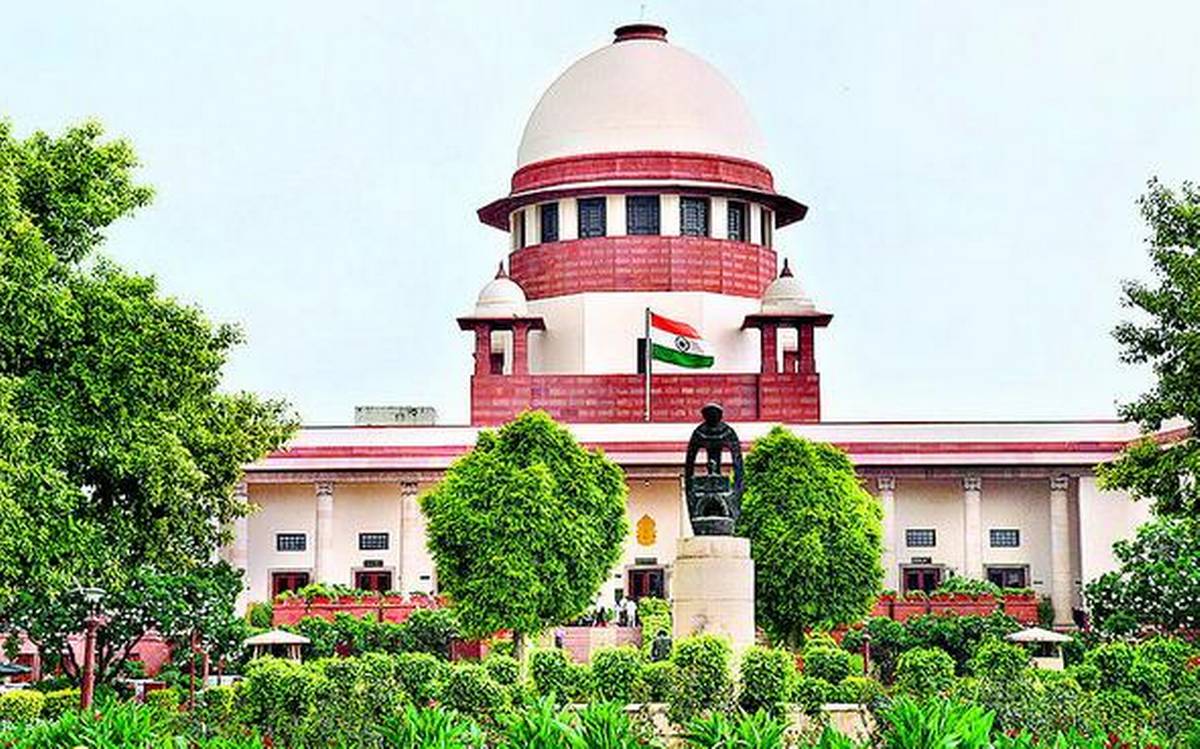
SC takes Suo Moto Cognizance Over Text book Chapter: The Supreme Court of India expressed strong dissatisfaction with the National Council of Educational Research and Training (NCERT) over a recent decision to include a section on judicial corruption in its Class 8 social science textbook.

Chief Justice of India Surya Kant took the matter into his own hands, declaring, “We won’t allow anyone to tarnish the reputation of the judiciary.” The court’s reaction highlights concerns that the material could potentially undermine public trust in legal institutions.

This controversial section discusses both the importance of the judiciary in society and specific instances of corruption within it. But what triggered this uproar? The Chief Justice indicated that including such sensitive topics requires careful consideration.
Notably, senior advocates Kapil Sibal and Manu Abhishek Singhvi brought their concerns before the bench regarding the impact this content might have on young minds. They argued that discussing judicial corruption at an early age could lead to misunderstandings about justice itself.
The Chief Justice noted, “This seems like a calculated move,” hinting at potential motives behind NCERT’s decision. He emphasized that while it’s necessary to educate students about societal issues, there should be a balance—especially when it comes to portraying key institutions like courts.
A question arises: Should educational bodies tread carefully when dealing with subjects involving ethics or integrity? Or does transparency play a more significant role? It’s clear that these discussions are not just academic; they touch upon values instilled in future generations.
The Supreme Court may seek further clarification from NCERT on how these decisions are made and what criteria are used to include certain topics in textbooks. This development is especially pertinent as it raises broader questions about curriculum choices across India’s educational landscape. What should students learn — and when?
This issue underscores ongoing debates surrounding educational content and its implications for societal perceptions of institutions tasked with upholding justice. As schools prepare for new academic sessions, parents and educators alike might wonder how such narratives can shape young people’s views on law and governance moving forward.
👉 Click here to read the latest Gujarat news on TheLiveAhmedabad.com