
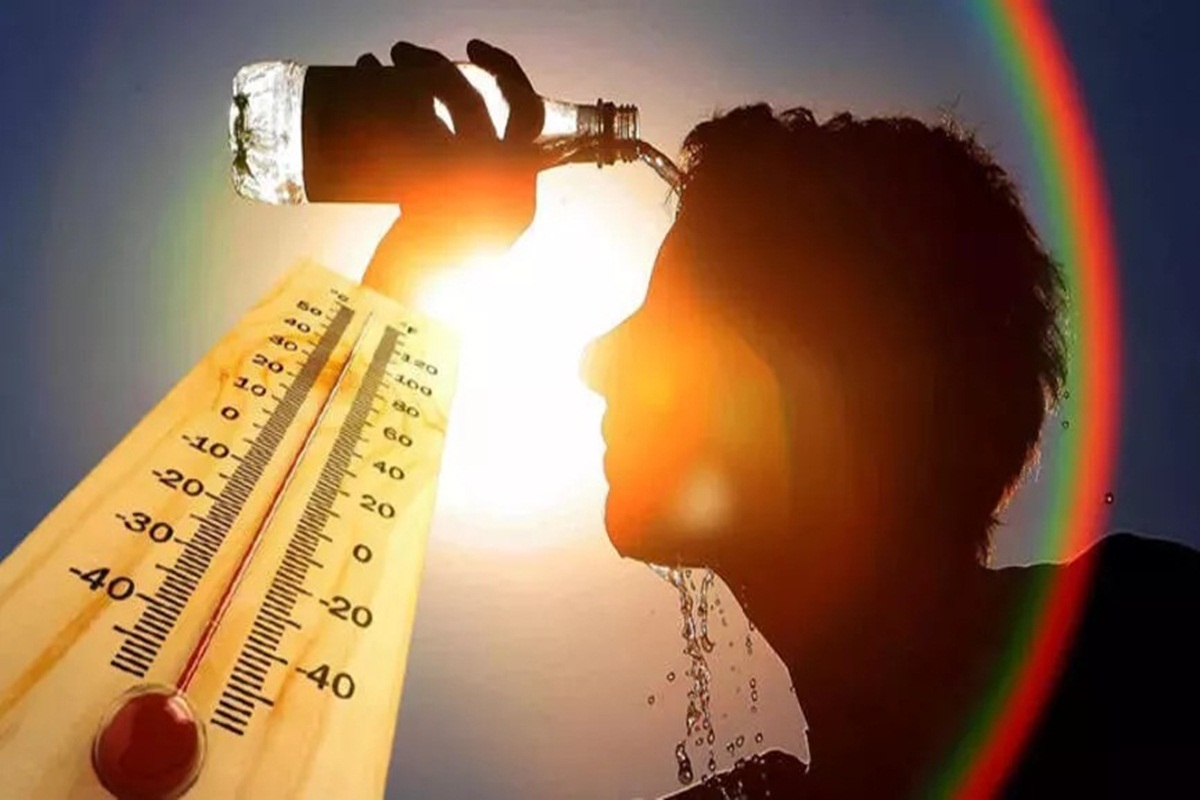
India is likely to witness an intense summer this year, with a short-lived relief in March before above-normal temperatures dominate most parts of the country until May, the India Meteorological Department (IMD) said in its latest monthly forecast released on Saturday.

According to the IMD, the March–May 2026 season is expected to record an above-normal number of heatwave days across large parts of east and east-central India, many areas of the southeast peninsula, and parts of northwest and west-central India. Other regions are likely to experience a normal number of heatwave days.In March specifically, isolated pockets of Gujarat and Andhra Pradesh may see above-normal heatwave days, while the rest of the country is expected to remain within normal limits.

The department’s spatial outlook indicates that states such as Haryana, Punjab, Rajasthan, West Bengal, Bihar, Odisha, Andhra Pradesh, and parts of Uttar Pradesh could experience 3 to 15 more heatwave days than usual this summer.The IMD cautioned that the increased likelihood of heatwaves during the March-April-May (MAM) season may significantly impact public health, water availability, power demand, and essential services. Vulnerable groups, including the elderly, children, outdoor workers, and those with pre-existing medical conditions, could face heightened risks of heat-related illnesses. The department has advised state governments and district administrations to ensure preparedness by operationalising cooling shelters, maintaining adequate drinking water supplies, and strengthening health surveillance systems.The IMD defines a heatwave as a condition when the maximum temperature in the plains touches 45°C or when it rises at least 4.5°C above the normal level.
IMD Director General M. Mohapatra said maximum temperatures in parts of northwest India are likely to remain near normal in March before hotter conditions set in. He added that rainfall over the northern plains and increased cloud cover in March could offer temporary relief.On global climate conditions, Mohapatra noted that weak La Niña conditions are currently prevailing over the equatorial Pacific, with below-normal sea surface temperatures in the central and eastern Pacific. However, global model forecasts and the Monsoon Mission Climate Forecast System (MMCFS) suggest that these conditions are expected to weaken gradually. A transition to ENSO-neutral conditions is likely soon, followed by the possible development of El Niño.At present, neutral Indian Ocean Dipole (IOD) conditions are continuing over the Indian Ocean basin, and forecasts indicate that this neutral phase will likely persist in the coming season without any significant positive or negative shift.El Niño years are typically associated with weaker monsoons and harsher summers in India.Dry February Raises ConcernsThe IMD reported a 59.9% rainfall deficiency across India between January 1 and February 28. Northwest India recorded a 54.8% shortfall, east and northeast India saw an 89.5% deficiency, and central India experienced a 78.7% deficit. In contrast, the south peninsula registered a marginal 2.3% excess rainfall.Overall, India received just 4.2 mm of rainfall during the period, making it the third-lowest since 1901 and the lowest since 2001. Northwest India also recorded its third-lowest rainfall (5.9 mm) since 1901, again the lowest since 2001. Long-term IMD data shows a continuing trend of low February rainfall since 2016.February was also among the warmest on record. It was the third-warmest February for northwest India in terms of mean temperature and the third-warmest nationwide in terms of night temperatures. The mean temperature in northwest India stood at 27.41°C, which was 1.71°C above normal. The country’s average minimum temperature was 14.76°C, nearly 0.94°C above normal.Despite the unusually dry February, Mohapatra said the anticipated rainfall over northwest India in March may help moderate temperatures slightly or keep them closer to normal levels before the full impact of summer sets in.
👉 Click here to read the latest Gujarat news on TheLiveAhmedabad.com