
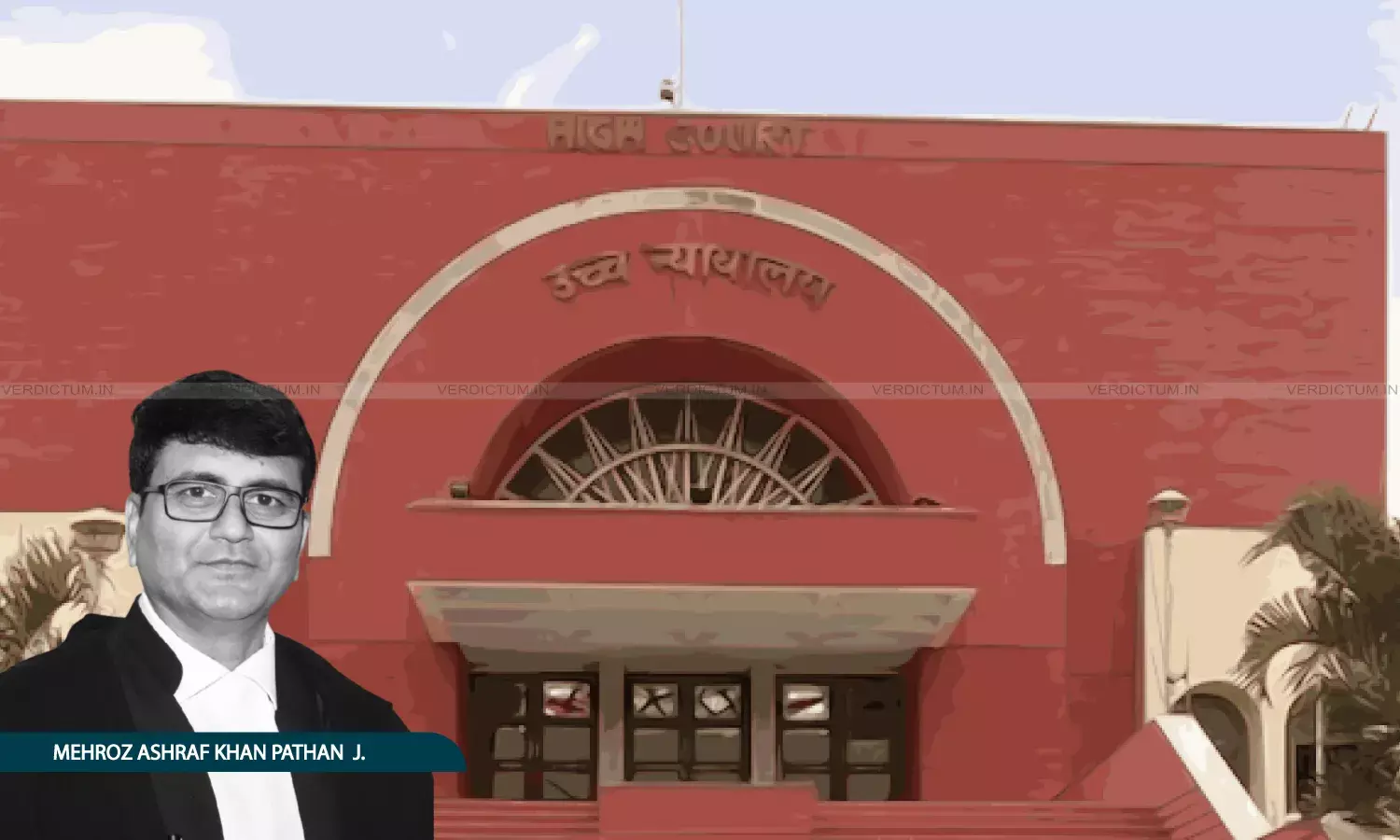
In a significant ruling clarifying preventive powers under the Immoral Traffic (Prevention) Act (PITA), the Bombay High Court’s Aurangabad bench last week held that a magistrate can order the closure of premises used as a brothel even without a conviction of the owner.

Dismissing a petition filed by the hotel operators, Justice Mehroz Pathan upheld the July 21, 2025, order of the sub-divisional magistrate, Shirdi, directing eviction and a one-year closure of the property. The court found the action legally valid under Section 18(1) of the Act.

“The powers under Sec 18(1) are to be exercised for temporary closure after giving an opportunity of hearing, relying upon information that the premises was being used as a brothel,” the court observed, emphasising that such action is preventive in nature and does not require prior conviction.
The case arose from a December 2023 police raid at the hotel, where authorities alleged that a prostitution racket was being operated under the guise of a spa. During a decoy operation, police recovered marked currency, mobile phones, and condoms, and identified multiple women allegedly engaged in the sex trade. Based on these findings, a proposal was submitted to the magistrate for closure of the premises.
The petitioners challenged the order, citing violation of natural justice, lack of evidence regarding proximity to public places, and absence of conviction under Sections 3 or 7 of the Act. They also argued that the premises had been leased to another individual and that no action could be taken without prosecuting the actual operator.
Rejecting these claims, the court noted that multiple notices had been served to the petitioners, who failed to respond.
On the requirement of conviction, the court clarified the distinction between Section 18(1) and 18(2). “For taking action under Sec 18(1), conviction of owner is not mandatory,” it held, adding that conviction is a prerequisite only under Section 18(2), which applies under different circumstances.
Justice Pathan also relied on Supreme Court precedent to underscore the preventive intent of the law, noting that such powers are meant to ensure “moral hygiene in locality” and act as a “quick-acting mechanism” to curb illegal activities. Observing that the hotel was located near a school, shrine, and establishments frequented by devotees in Shirdi, the court found sufficient grounds to justify action under Section 18(1).
👉 Click here to read the latest Gujarat news on TheLiveAhmedabad.com