
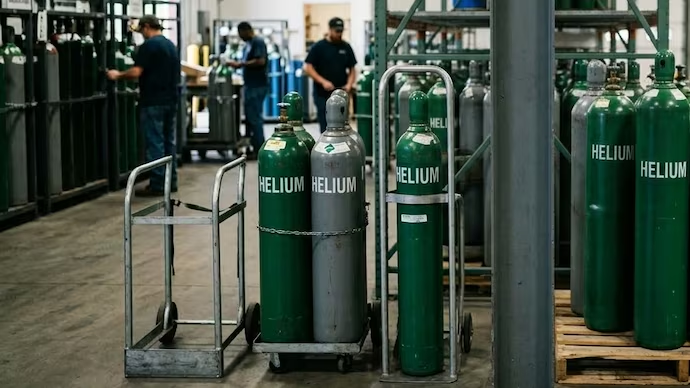
A global shortage of helium, triggered by disruptions in the Middle East, is emerging as a fresh concern for India’s healthcare sector, raising fears of higher diagnostic costs and possible delays in MRI scans.

According to reports citing industry sources, the shortage is beginning to strain MRI supply chains, with hospitals and diagnostic centres preparing for a rise in operational costs.

Helium, a non-renewable gas critical for cooling MRI magnets, is largely imported by India from Qatar, leaving the country exposed to global supply disruptions.
The gas, a byproduct of natural gas processing, is closely tied to LNG production. Ongoing instability in the Middle East has impacted supply routes and output, with the effects now visible across global markets. While the situation has not yet reached a critical stage, industry executives warn that prolonged disruptions could sharply escalate costs and highlight vulnerabilities in global medical supply chains.
In response, manufacturers have begun accelerating efforts to develop helium-free MRI systems as a long-term alternative, although such technologies are yet to see widespread adoption.
The impact is also being felt across the broader medical supply ecosystem. Medical device manufacturers have warned of potential shortages of essential hospital consumables — including IV bags, lines, urine bags, cannulas and syringes — as early as next month, with inventories reportedly falling to just 15–20 days.
Compounding the challenge are shortages of industrial gases used in manufacturing, along with rising energy costs. This has forced companies to turn to more expensive alternatives such as diesel and additional power sources, further increasing operational expenses.
👉 Click here to read the latest Gujarat news on TheLiveAhmedabad.com