
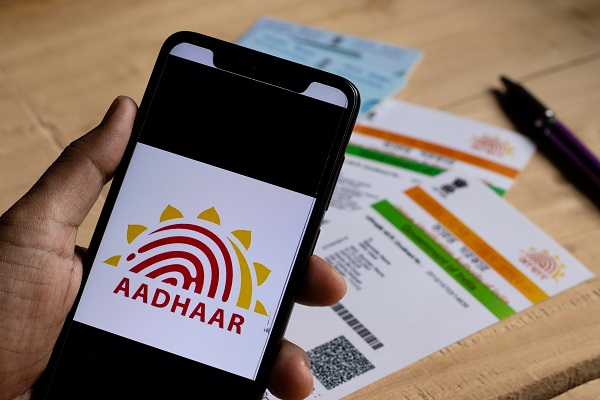
Indian citizens have time only until March 31, 2026 to apply for a PAN (Permanent Account Number) card using Aadhaar alone. After this deadline, the application process will change significantly.

From April 1, 2026, applicants will be required to submit additional documents, including valid proof of Date of Birth (DOB). Existing or old PAN application forms will no longer be accepted after this date and will be considered invalid—meaning applicants will need to submit a fresh application.

DOB Documents Required from April 1, 2026
Applicants will need to provide any one of the following as DOB proof:
Birth certificate
Voter ID card
Matriculation certificate
Driving license
Passport
Affidavit issued by a magistrate
Other valid government-issued documents
Additionally, from April 1, the name on the PAN card will be strictly aligned with Aadhaar records, and separate name entries will no longer be accepted.
In short, this is the final opportunity to apply for a PAN card using only Aadhaar without additional documentation.
Key PAN Rule Changes from April 1, 2026
Under the updated Income Tax rules for 2026, several changes will directly impact financial transactions:
1. Cash Deposit Limit
Currently, PAN details are required for cash deposits exceeding ₹50,000 in a single day.
Under the new rule, this will shift to an annual threshold of ₹10 lakh. If total cash deposits across all accounts exceed this amount in a financial year, PAN details will be mandatory and may attract scrutiny from the Income Tax Department.
2. Purchase or Sale of Motor Vehicles
At present, PAN is required for buying or selling any vehicle, regardless of value.
Going forward, PAN will only be required if the vehicle’s value exceeds ₹5 lakh.
3. Hotel and Restaurant Payments
Currently, PAN is needed for payments above ₹50,000.
This limit will increase to ₹1 lakh, making PAN necessary only for higher-value transactions.
4. Immovable Property Transactions
PAN is currently mandatory for property transactions above ₹10 lakh.
The proposed revision increases this limit to ₹20 lakh.
5. Insurance Policies
At present, PAN is required if insurance premiums exceed ₹50,000.
The new rules may expand this requirement to include a broader range of insurance-related transactions, not just high-value premiums.
👉 Click here to read the latest Gujarat news on TheLiveAhmedabad.com