
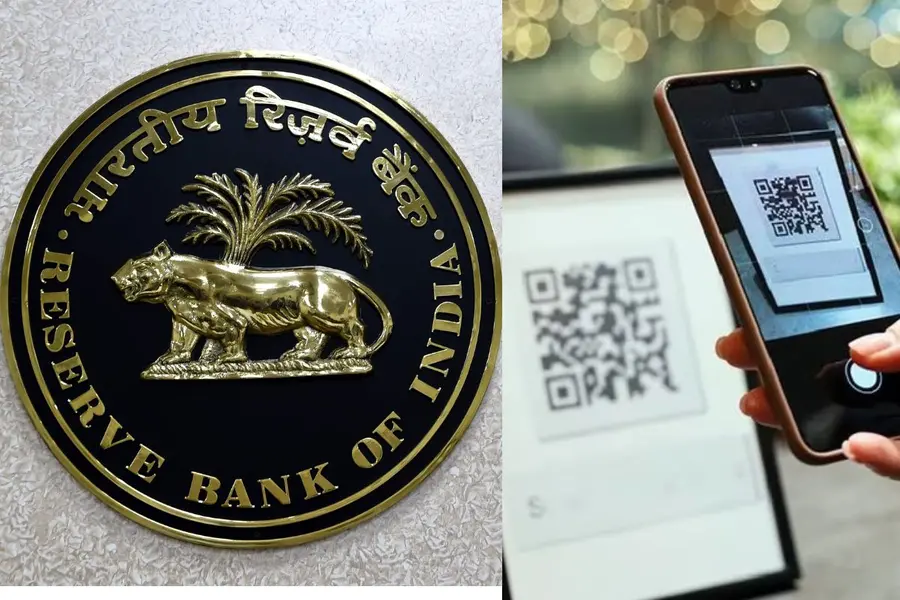
Starting April 1, digital payments in India are set to become more secure as the Reserve Bank of India (RBI) introduces new rules aimed at reducing fraud.

With the rapid rise in online transactions, cases of digital fraud have also increased. To address this, the RBI has made it mandatory for all digital payments—whether through UPI, net banking, or mobile wallets—to follow a stricter verification process.

What’s Changing?
The biggest update is the compulsory use of two-factor authentication (2FA) for every digital transaction. This means users will need to verify their identity through two separate steps before completing a payment. Earlier, some platforms allowed transactions with just a single PIN or one-click approval.
What is Two-Factor Authentication?
Two-factor authentication adds an extra layer of security by requiring two different types of verification. At least one of these must be dynamic—something that changes every time.
This could include:
- A one-time password (OTP)
- Biometric verification like a fingerprint or face scan
- Device-based authentication
In simple terms, every transaction will now require a unique, one-time verification that cannot be reused.
Why This Matters
Previously, many users relied on the same PIN across multiple transactions, which made it easier for fraudsters to gain access.
With 2FA:
- A fresh security code is generated for every transaction
- Even if someone knows your PIN or password, they cannot complete the payment without the second verification step
- Overall, your money and data are much better protected
What Options Will Users Have?
Banks and fintech platforms will offer multiple authentication methods, allowing users to choose what suits them best. These may include:
- OTP + PIN
- Biometric verification + device binding
- Token-based authentication + password
Who Is Responsible in Case of Fraud?
Responsibility will depend on the situation:
- If a fraud occurs because a bank or service provider fails to follow RBI guidelines, they will be held fully accountable
- However, if the user shares sensitive details like OTPs or PINs, the responsibility will lie with the user
Overall, while the payment process may add an extra step, these changes are designed to make digital transactions significantly safer.
👉 Click here to read the latest Gujarat news on TheLiveAhmedabad.com