
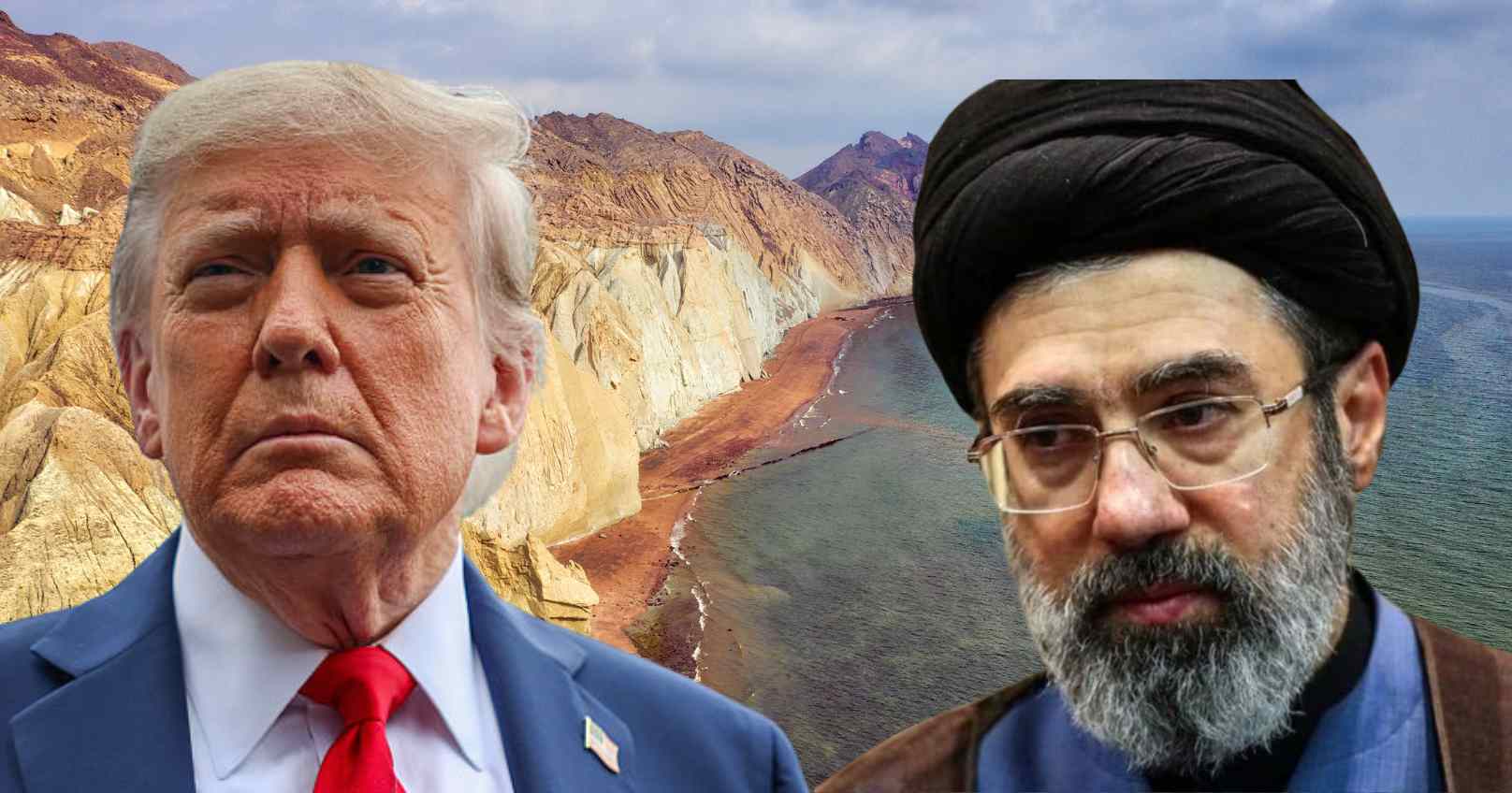
US President Donald Trump has decided to ease tensions with Iran, stepping back from imminent military strikes after a series of escalating threats. Hours before a self-imposed deadline for Tehran to make concessions, Trump announced a two-week ceasefire aimed at de-escalating the violent conflict that has lasted over 40 days.

The ceasefire agreement comes as both parties seek to find common ground through diplomatic discussions. Iran has accepted the truce alongside its conditional reopening of the strategically significant Strait of Hormuz. This waterway is crucial for oil transport, and both nations recognize its importance amid rising oil prices.

“I hold off the destructive force being sent tonight to Iran,” Trump stated during his announcement. “Subject to the Islamic Republic of Iran agreeing to the COMPLETE, IMMEDIATE, and SAFE OPENING of the Strait of Hormuz, I agree to suspend bombing and attacking Iran for a period of two weeks.” In response, Iranian officials indicated they would halt their own attacks if US military operations ceased as well.
The upcoming talks will take place in Islamabad on April 10 between US and Iranian delegations. Notably, these discussions are framed around competing proposals—Tehran’s 15-point demand versus Washington’s 10-point peace plan.
Yet caution remains prevalent on both sides. While missile alerts continued across the Gulf region following Trump’s announcement, Israel’s Prime Minister Benjamin Netanyahu made it clear that any ceasefire would not extend to Lebanon where Israeli strikes continue against Hezbollah targets. “We support America’s decision but will act in our national interest,” Netanyahu was quoted as saying in Israeli media reports.
This situation raises questions about how durable this ceasefire might be. Will both sides truly commit? The atmosphere remains tense despite hopeful signals—a reality underscored by ongoing missile interceptions reported in Saudi Arabia and neighboring countries.
Economic Impacts
The financial markets have reacted positively to news of the ceasefire: oil prices plunged below $100 a barrel immediately after Trump’s announcement. Brent Crude dropped by over 13%, now valued at about $94.74 per barrel; US crude fell even further—down nearly 14% at approximately $96.83 per barrel.
Casualty Figures
This conflict isn’t just political—it’s deadly too. With more than 5,000 lives lost across multiple nations since hostilities began six weeks ago—including over 1,600 civilian deaths in Iran alone—it’s clear that urgent action is needed not only for peace but also for humanitarian reasons.
Future Prospects
Prime Minister Shehbaz Sharif of Pakistan plays a key role in facilitating dialogue between Tehran and Washington; he has expressed hopes for “sustainable peace” through these negotiations and expects more positive developments soon. However, what happens next could hinge on each side’s willingness to compromise amid deeply entrenched hostilities.
👉 Click here to read the latest Gujarat news on TheLiveAhmedabad.com