In a significant move to strengthen child healthcare services, India has introduced its first-ever national guidelines for the management of diabetes in children. The Ministry of Health and Family Welfare launched the “Guidance Document on Diabetes Mellitus in Children” during the recently held National Summit on Best Practices in Public Healthcare Service Delivery.

The document lays down a comprehensive framework for the screening, diagnosis, treatment, and long-term management of childhood diabetes, marking the first time the condition has been formally integrated into the country’s public healthcare system.

Rising cases of childhood diabetes
India continues to witness a sharp rise in diabetes cases and is often referred to as the “diabetes capital of the world.” While more than 100 million adults are living with diabetes, cases among children are also increasing steadily.
Type 1 diabetes, commonly seen in children, is an autoimmune condition in which the body stops producing insulin. Genetic factors, infections, and improved diagnosis contribute to its rise. Meanwhile, Type 2 diabetes among children is linked to unhealthy lifestyle habits, poor diet, obesity, and lack of physical activity.
Health experts warn that untreated or poorly managed diabetes in children can lead to serious complications such as kidney disease, vision problems, heart ailments, and, in severe cases, death.
First structured national framework
For the first time, the country now has a standardised nationwide system for childhood diabetes care. The guidelines cover every stage, from early identification and screening to treatment and long-term follow-up.
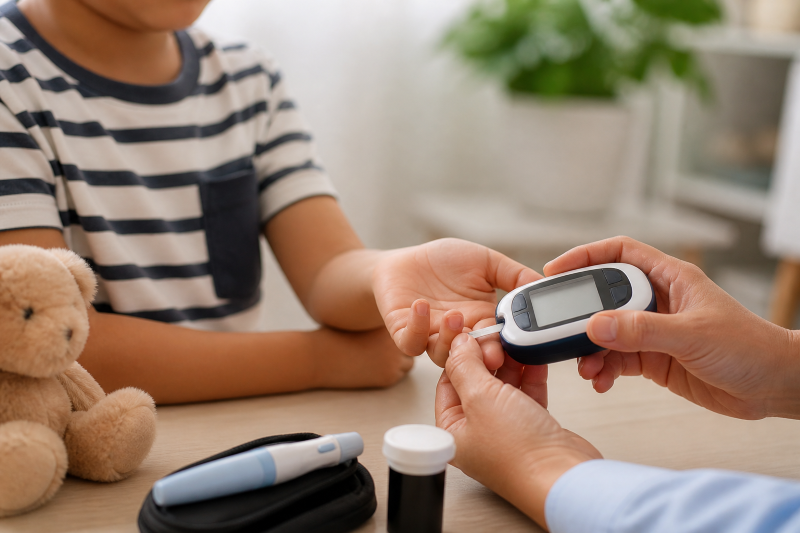
The framework proposes universal screening for children from birth to 18 years through schools and community healthcare networks. Children showing symptoms or suspected of having diabetes will undergo immediate blood glucose testing, after which confirmed cases will be referred to district hospitals for specialised care.
With this initiative, India joins a select group of nations that have formally incorporated childhood diabetes management into their public health programmes.
Free treatment at government hospitals
A key highlight of the guidelines is the provision of free treatment at public healthcare facilities. Children diagnosed with diabetes will receive diagnostic tests, insulin therapy, glucometers, test strips, and regular medical follow-ups without any cost.
Officials believe the move will significantly ease the financial burden on families, especially those from economically weaker sections, as diabetes treatment requires lifelong care and monitoring.
Integrated healthcare support system
The guidelines also introduce a seamless referral and treatment mechanism linking community screening centres, district hospitals, and medical colleges. The connected system aims to ensure uninterrupted care for children living with diabetes.
Since the disease requires constant monitoring and timely medical intervention, authorities say a strong continuum of care is essential to prevent complications and maintain overall health.
Awareness campaign around “4Ts”
To encourage early detection, the document highlights the “4Ts” symptoms of diabetes — Toilet (frequent urination), Thirsty (excessive thirst), Tired (persistent fatigue), and Thinner (rapid weight loss).
These warning signs are intended to help parents, teachers, and caregivers identify possible cases of Type 1 diabetes at an early stage, reducing the risk of life-threatening complications caused by delayed diagnosis.
Focus on educating caregivers
The guidelines also emphasise training and awareness for parents and caregivers. Families will receive guidance on insulin administration, blood sugar monitoring, emergency response, and day-to-day diabetes management.
Health authorities believe better awareness among caregivers can improve the quality of life for children with diabetes and help reduce deaths caused by undiagnosed or poorly managed cases.
👉 Click here to read the latest Gujarat news on TheLiveAhmedabad.com