
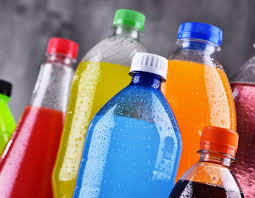
Soft drinks are among the most commonly consumed beverages, especially during summer when people seek quick refreshment. Available everywhere from roadside stalls to supermarkets, cold drinks are often consumed without much attention. However, rising concerns over beverage adulteration and poor storage conditions have made food safety awareness increasingly important.

Adulterated soft drinks may contain contaminated water, excessive artificial colouring, expired ingredients, or tampered packaging, all of which can pose health risks over time. Since many unsafe beverages appear normal initially, consumers often fail to recognise early warning signs. Paying attention to packaging, taste, smell, and carbonation can help identify suspicious products before consumption.

Why Adulterated Soft Drinks Are Dangerous
Adulterated beverages are often products that have been tampered with, stored improperly, or manufactured using low-quality ingredients. In some cases, expired drinks are repackaged and resold, while counterfeit beverages imitate popular brands using unsafe substitutes.
Consuming such drinks may lead to stomach infections, food poisoning, digestive issues, and other health complications. Beverages prepared using contaminated water may carry harmful bacteria, while excessive chemicals and artificial additives can negatively affect long-term health.
The risk tends to increase during summer when the demand for cold drinks rises sharply, especially at temporary stalls and poorly maintained shops.
Check Packaging Carefully Before Buying
One of the easiest ways to identify suspicious soft drinks is by examining the packaging thoroughly. Reputed manufacturers follow strict quality standards, so visible irregularities should not be ignored.
Consumers should check whether the bottle cap or can seal appears loose, damaged, or tampered with. Leaking bottles, dented cans, faded labels, or poorly attached stickers may indicate mishandling or counterfeit products.
It is also important to verify the manufacturing date, expiry date, and batch number. Smudged printing or missing information can be warning signs of fake packaging.
Observe Colour And Carbonation
The appearance of the beverage itself can reveal possible contamination. Before opening the bottle, hold it against light and inspect the liquid carefully.
Cloudiness, floating particles, unusual sediment, or colour separation may indicate spoilage or adulteration. Genuine branded soft drinks usually maintain a uniform texture and appearance.
Carbonation also serves as an important indicator. Excessive pressure, overflowing foam, or completely flat drinks may suggest poor storage or tampering. If a beverage loses fizz unusually fast after opening, the seal may have been disturbed earlier or the product could be expired.
Pay Attention To Taste And Smell
Unusual taste and smell are often the clearest signs of beverage adulteration. A soft drink should have its standard flavour without any sourness, metallic aftertaste, bitterness, or strange chemical smell.
Consumers should immediately stop drinking any beverage that tastes significantly different from its usual flavour profile. Even mild changes in aroma can indicate spoilage, contamination, or unsafe ingredients.
Counterfeit products may also contain excessive sweeteners and artificial colouring agents that noticeably alter the original taste.
Improper Storage Can Make Drinks Unsafe
Even genuine beverages can become unsafe if stored incorrectly. Soft drinks exposed to direct sunlight or extreme heat for prolonged periods may undergo chemical changes inside the bottle.
Plastic containers kept in high temperatures may release harmful substances into the drink. Consumers should avoid buying beverages stored under direct sunlight or in overheated roadside setups.
Warm bottles being sold as chilled drinks, unhygienic coolers, or dusty storage conditions can also indicate poor handling practices.
Avoid Buying From Unauthorised Sellers
Purchasing beverages from trusted retailers significantly reduces the risk of buying fake or expired products. Unauthorised vendors or temporary roadside stalls may sometimes sell counterfeit drinks at unusually low prices.
Consumers should remain cautious if branded soft drinks are being sold far below normal market rates. Licensed shops generally maintain better hygiene, storage, and stock rotation practices.
Consumer Awareness Is Key To Food Safety
Many people consider soft drinks low-risk products and overlook basic safety checks. However, beverage adulteration remains a serious public health concern.
Simple precautions such as checking seals, reading labels, observing colour, and verifying storage conditions can help consumers avoid unsafe products. Parents should also educate children about avoiding damaged or suspicious bottles, particularly during travel and summer outings.
As packaged beverage consumption continues to rise, consumer awareness plays an important role in ensuring food safety and protecting long-term health.
👉 Click here to read the latest Gujarat news on TheLiveAhmedabad.com