
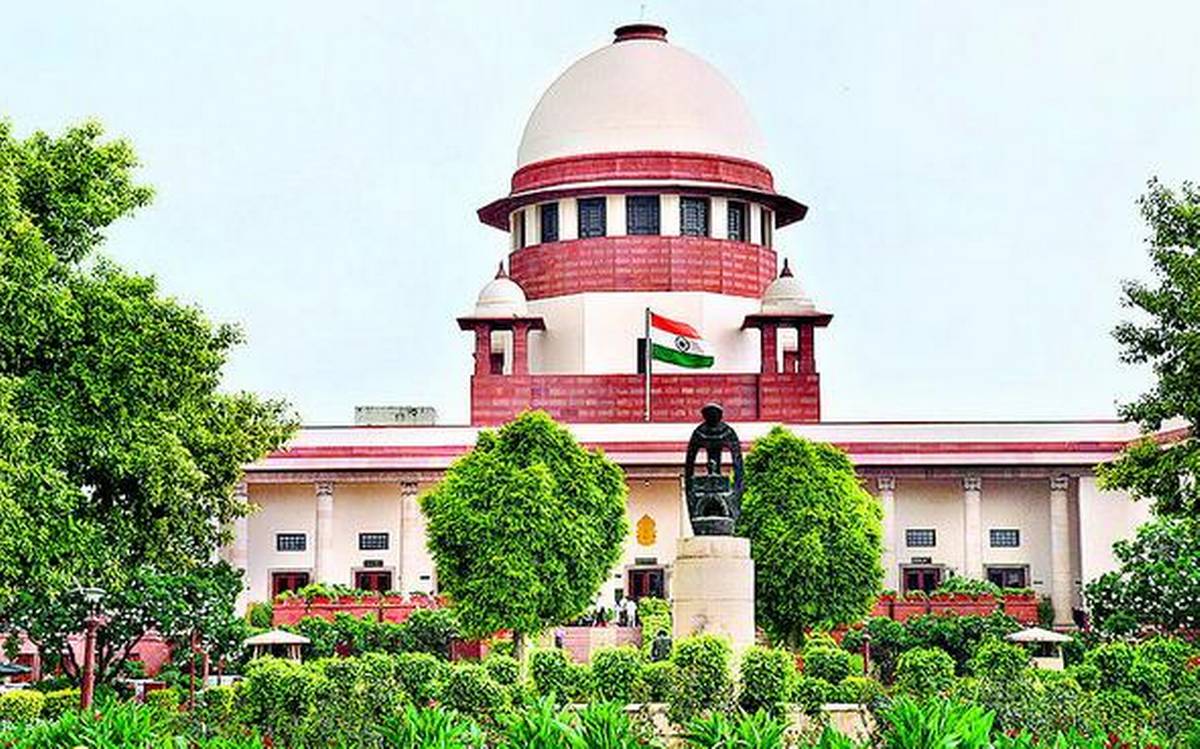
Nearly two years after the Supreme Court upheld states’ power to sub-classify Scheduled Caste reservations to prioritise the most backward among them, Maharashtra is yet to implement the ruling — and data from the state’s Social Welfare (Samaj Kalyan) department suggests the benefits of SC reservation have not been reaching all 59 communities equally.

The state government had constituted a committee under retired judge Anant Badar to examine sub-classification. The committee submitted its report to the Cabinet, which then sought a notice and opinion from the Chief Secretary. With 40,000 objections and some support received, the matter was referred for a Chief Secretary-level hearing. However, the hearing date has not been fixed, and the process has effectively stalled for months.

The sub-classification issue is complicated by departmental jurisdiction. Reports from the Social Welfare department are expected to come from three to four departments, but a consolidated report is not forthcoming. Only the Samaj Kalyan department’s data is available so far. Crucially, the Social Welfare department has issued a government resolution indicating that admissions for SC students in government hostels are being carried out with a three-tier reservation structure — SC, Matang, and Chambhar categories — with a proposal to apply 13 per cent SC reservation similarly.
Communities supporting sub-classification argue that a handful of SC castes have cornered reservation benefits for decades, leaving others behind. Opposition comes from those who contend that dividing an already limited quota will weaken Dalit unity and dilute entitlements.
👉 Click here to read the latest Gujarat news on TheLiveAhmedabad.com