
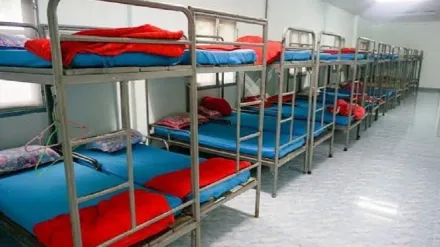
Poor students from rural areas moving to cities for higher education have long relied on government hostels, but separate norms now applied to OBC students have raised concerns of unequal treatment within the same government system.

While Scheduled Caste and OBC students admitted through the same process face vastly different facilities, the disparity is stark. OBC students staying in hostels get accommodation only for 10 months, along with food and a stipend for that period. Social welfare department hostels, by contrast, provide year-round residency, along with a stipend and food throughout, prompting OBC students to demand similar year-round benefits.

According to officials, the OBC Bahujan Welfare Department and other backward-class welfare departments run these hostels independently, some in rented buildings, with funding released annually — limiting the residency period to 10 months. Students say delays in receiving stipends or meal facilities during this window, or after the 10-month period ends, create hardship, especially during exams, forcing many to arrange their own food and lodging.
OBC Welfare Minister Atul Save is reported to have said steps would be taken to increase students’ stipend and food allowances.
👉 Click here to read the latest Gujarat news on TheLiveAhmedabad.com