
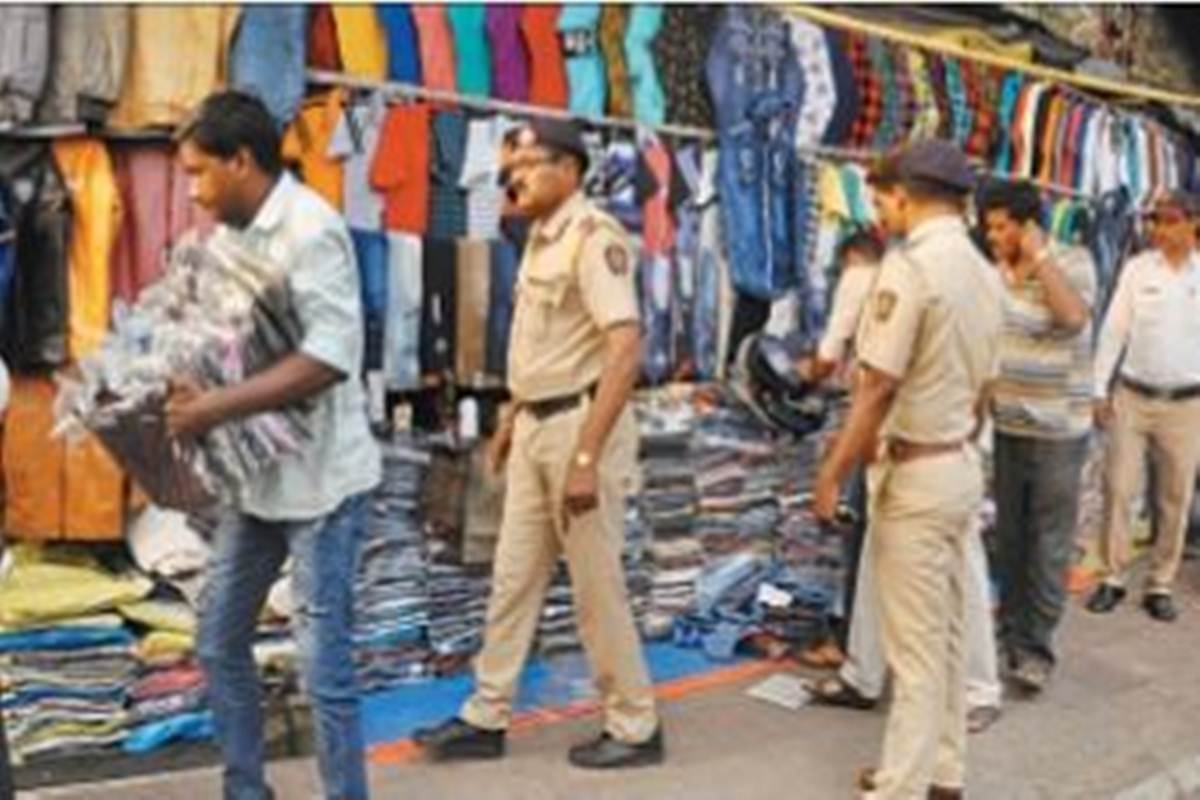
The absence of a comprehensive policy for street vendors by the Nagpur Municipal Corporation (NMC) has led to a surge in market encroachments, creating serious challenges for pedestrians and worsening traffic congestion across the city.

With over 50,000 hawkers operating along footpaths and roads, key commercial areas such as Mahal and Sitabuldi continue to grapple with traffic bottlenecks despite recent road widening initiatives. The lack of designated vending zones has only exacerbated the situation.

In 2019, the NMC formed a Town Vending Committee to address the growing concerns of hawkers. Comprising representatives from both the civic administration and hawker groups, the committee was tasked with resolving issues related to licensing and space allocation. However, progress has been limited.
The issue dates back to 2016 when the NMC began issuing licenses to hawkers, registering 1,225 vendors before abruptly halting the process. A renewed policy later mandated the formation of a committee, chaired by the municipal commissioner and including city councillors and hawker division representatives, to oversee hawker registration and the establishment of vending zones.
Under this framework, meetings cannot proceed without the presence of both administrative and hawker representatives. Despite these provisions, hawker groups claim their concerns are being ignored.
Razzaq Qureshi, General Secretary of the Nagpur Street Vendors and Footpath Shopkeepers Association, alleged that Town Vending Committee meetings have been biased in favor of local political figures and builders. Frustrated with the lack of representation, hawker members have since boycotted the meetings.
Meanwhile, the Central and State Governments have directed all municipal bodies to complete the registration of hawkers and demarcate vending zones within four months. Until then, hawkers are not to be displaced from their current locations.
👉 Click here to read the latest Gujarat news on TheLiveAhmedabad.com