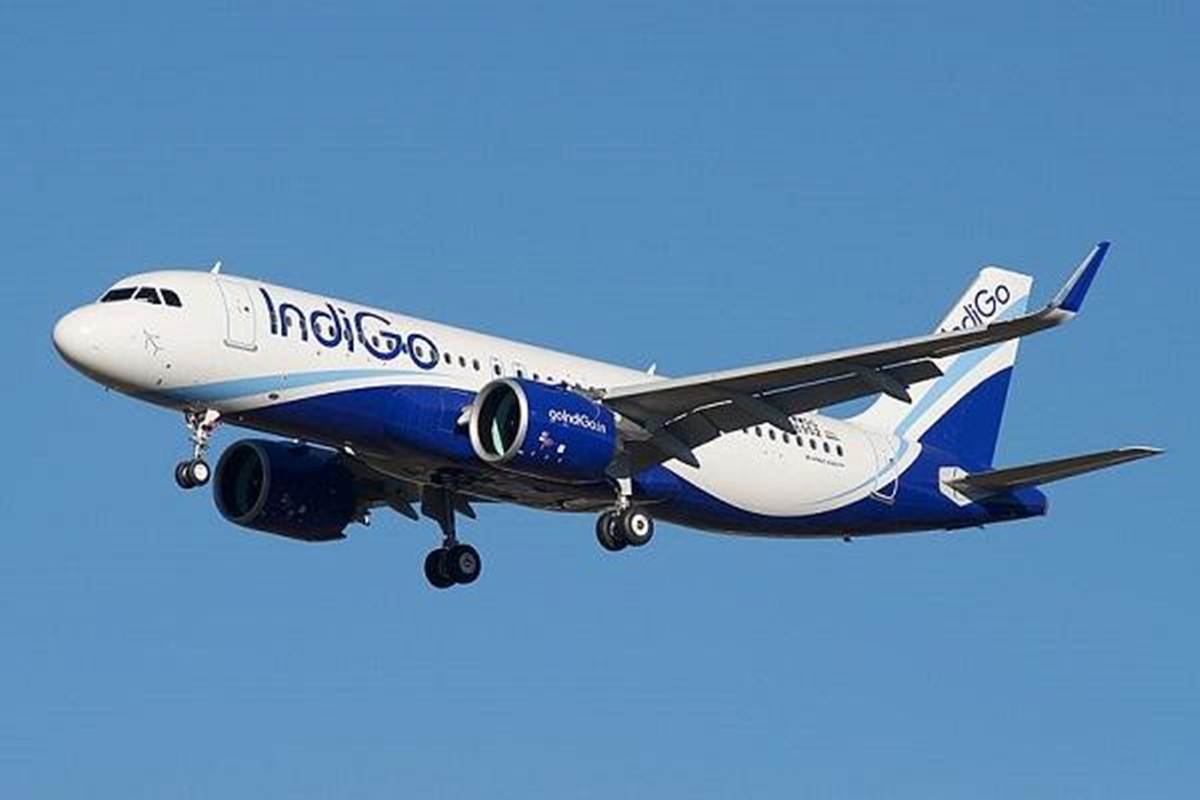
The new FDTL rules apply to all domestic airlines—so why has IndiGo been affected far more severely than its peers?

Over the past few days, IndiGo has faced a wave of cancellations and delays, disrupting travel plans for thousands. As India’s largest airline, with over 60% of domestic passenger traffic, the carrier has been hit by crew shortages triggered by the implementation of the revised Flight Duty Time Limitation (FDTL) norms.
The second and final phase of these rules came into force last month, and IndiGo appears to have been unprepared. On Wednesday (December 3), just 19.7% of its flights operated on time, down from 35% on Tuesday and about 50% on Monday. The knock-on effect has been felt across airports nationwide, with passengers venting their anger on social media about lengthy delays and last-minute cancellations. Many reported having to book costlier tickets on other airlines.
IndiGo has apologised and initiated “calibrated adjustments” to stabilise operations, including rescheduling and cancelling flights in line with available crew. The Directorate General of Civil Aviation (DGCA) has also demanded that the airline present the “facts leading to the current situation” along with mitigation plans.
Why IndiGo Is Struggling More Than Others
Although the new FDTL rules apply industry-wide, IndiGo’s pain points stem from several factors: its massive scale and high-frequency network, a large share of late-night and early-morning services, and its model of running aircraft and crew at very high utilisation levels.
Other Indian airlines currently operate below optimal utilisation due to issues such as delayed aircraft deliveries or grounded planes. This has unintentionally given them more flexibility in crew rostering, as they have more pilots relative to active aircraft.
The New FDTL Norms and Their Impact
Under the updated rules, weekly pilot rest has increased from 36 to 48 hours, and night landings have been capped at two instead of six. The definition of “night hours” has also been expanded by one hour, adding further constraints. These changes are intended to combat pilot fatigue and enhance safety.
Originally scheduled for June 2024, the rollout was delayed after pushback from IndiGo and other airlines, which argued for a phased implementation due to the significant additional crew required. The DGCA eventually implemented the rules after a Delhi High Court directive, in two phases—July and November.
IndiGo managed the first phase with minimal disruption. However, the second phase—which restricts crew utilisation on ‘red-eye’ flights—has disproportionately impacted the carrier. IndiGo operates more late-night flights than competitors and does so with a lean crew model. With more than 400 aircraft operating over 2,300 daily flights to 90+ domestic and 45 international destinations, even a 10% cancellation rate translates to over 230 flights lost—far higher than any other Indian airline.
Because narrow-body aircraft like the A320 (the backbone of IndiGo’s fleet) perform multiple daily rotations, disruptions can snowball quickly. When crews hit their duty-hour limits due to delays, IndiGo often lacks available replacements.
Mitigation Measures
According to the DGCA, IndiGo reported 1,232 flight cancellations in November:
755 due to crew and FDTL constraints
258 due to airspace and airport restrictions
92 caused by ATC system failures
127 for various other reasons
Its on-time performance fell to 67.7% in November, down from 84.1% in October, and early December saw a further decline.
In a Wednesday evening statement, IndiGo cited “unforeseen operational challenges” including winter schedule adjustments, minor tech issues, adverse weather, congestion, and full enforcement of the new FDTL norms. The airline is now strengthening crew planning, improving coordination with ATC and airports, and enhancing turnaround and disruption-management processes.
Pilot Groups Criticise IndiGo
Pilot associations argue the airline had ample time to prepare for the updated FDTL rules but failed to act. The Airline Pilots’ Association of India (ALPA) said the disruptions reflect inadequate resource planning and suggested there may be attempts to pressure the DGCA to soften the rules.
The Federation of Indian Pilots (FIP) blamed IndiGo’s “prolonged and unorthodox lean manpower strategy”, particularly in flight operations. It suggested that delays and cancellations might be used to “arm-twist regulators” when rules don’t align with airline interests.
The FIP also accused IndiGo of imposing a hiring freeze, entering non-poaching pacts, maintaining a pilot pay freeze, and engaging in “short-sighted planning practices” despite having two years to prepare.
After the first phase of FDTL implementation in July, IndiGo allegedly reduced pilot leave quotas, and after the second phase attempted to buy back pilot leave—moves that FIP claims damaged morale, especially in a year when executives received record compensation increases.
Both pilot associations urged the DGCA to approve flight schedules only after airlines prove they have adequate pilot strength under the new norms.
The FIP further suggested that if IndiGo continues to falter due to staffing issues, the DGCA should consider reallocating slots to airlines such as Air India and Akasa Air, which have the capacity to operate them reliably during peak travel and fog season.
👉 Click here to read the latest Gujarat news on TheLiveAhmedabad.com