
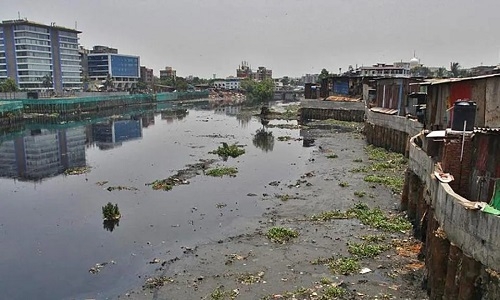
India’s life-giving rivers are turning toxic due to unchecked industrialisation and years of policy neglect by governments and regulators. A 2025 report by the Central Pollution Control Board reveals that out of 623 major rivers studied across the country, 271 rivers contain 296 polluted stretches, exposing the scale of India’s worsening water crisis. Alarmingly, Maharashtra alone accounts for 54 polluted rivers — the highest in the country — including key rivers flowing through the Nagpur region.

Among the most concerning are Vidarbha’s major rivers such as the Wainganga River, Wardha River and Kanhan River, which are listed in polluted categories. These rivers supply water to several cities, including Nagpur and surrounding towns, raising serious concerns about drinking water safety. Industrial waste, untreated sewage and chemical discharge are contaminating these water bodies, and many toxic compounds are not fully removed even during water treatment, posing long-term health risks.

Pollution levels are measured using Biochemical Oxygen Demand (BOD) and Chemical Oxygen Demand (COD). Clean water should have BOD below 3 mg/litre; levels above 10 mg/litre indicate severe pollution. Similarly, COD levels above 20 mg/litre signal significant chemical contamination, typically linked to industrial effluents and non-biodegradable waste.
The CPCB report classifies the worst rivers under Priority-1 and Priority-2 pollution categories, where oxygen depletion and chemical contamination are dangerously high. Maharashtra leads the national pollution chart, followed by Kerala with 31 polluted rivers, while Madhya Pradesh and Manipur each have 18. The findings underline a grim reality: even rivers supplying drinking water to cities like Nagpur are steadily turning into toxic channels, threatening ecosystems and public health alike.
👉 Click here to read the latest Gujarat news on TheLiveAhmedabad.com