
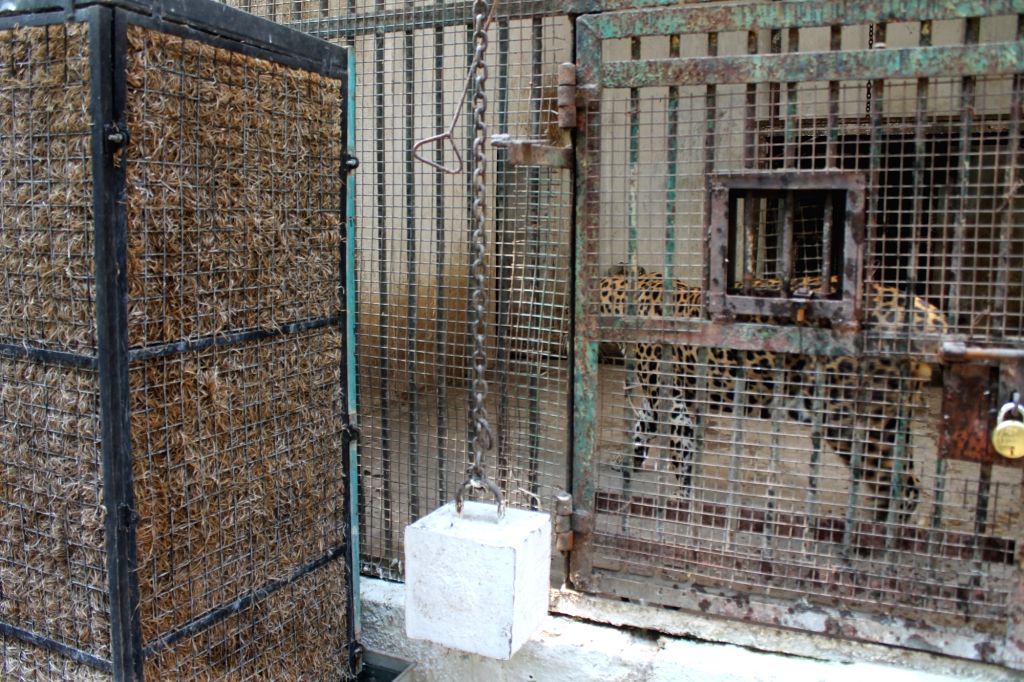
As temperatures begin rising in Nagpur even before crossing the 40°C mark, the administration of Maharajbagh Zoo has taken several measures to protect animals from the intensifying summer heat. With March already turning unusually warm, zoo authorities have begun preparations to ensure the comfort and safety of the animals.

In response to the rising temperatures after the Holi festival, the zoo has installed 10 large air coolers across multiple enclosures. These coolers are mainly placed in areas where animals remain in relatively closed spaces and where ventilation is limited. The move aims to provide relief to species particularly vulnerable to heat stress.

Maharajbagh Zoo, located in the heart of the city, houses around 250 animals and birds. According to officials, ensuring their safety during Nagpur’s notoriously harsh summers has become a top priority.
The coolers have primarily been installed in enclosures housing animals such as leopards, sloth bears and monkeys. For big cats like tigers that live in larger open enclosures, authorities have created water ponds to help them cool down naturally. Additionally, green shade nets have been stretched over several enclosures to reduce direct sunlight and keep the surroundings cooler.
Herbivorous animals, including spotted deer (cheetal) and blackbuck, have also been provided with protective arrangements. Their habitats are now covered with shade nets and surrounded by dense plantation to minimise exposure to heat.
Dr. Sunil Bawaskar, Officer-in-Charge of Maharajbagh Zoo, said that precautionary measures have been implemented in advance to safeguard the animals during the summer months. “Fresh drinking water is being provided to all animals throughout the day, and we are closely monitoring their diet and overall health,” he said.
Zoo staff are also sprinkling water regularly around cages and surrounding areas to maintain comfortable humidity levels and reduce the impact of rising temperatures.
Authorities have also planned special dietary changes to help animals stay hydrated. Seasonal fruits such as watermelon, muskmelon and cucumber will be included in their diet. Depending on health requirements, animals may also be given glucose water, electrolytes and multivitamins.
Special arrangements have also been made for birds housed in the aviaries. They are being provided with separate coolers, shade nets and improved water facilities to help them cope with the heat.
The coolers will remain operational from 10 am until evening during peak heat hours and will be switched off at night for safety reasons.
Despite the extreme temperatures outside, Maharajbagh Zoo benefits from its lush greenery and dense plantation, which help keep the campus relatively cooler than other parts of the city, providing a natural buffer against the scorching summer heat.
👉 Click here to read the latest Gujarat news on TheLiveAhmedabad.com