
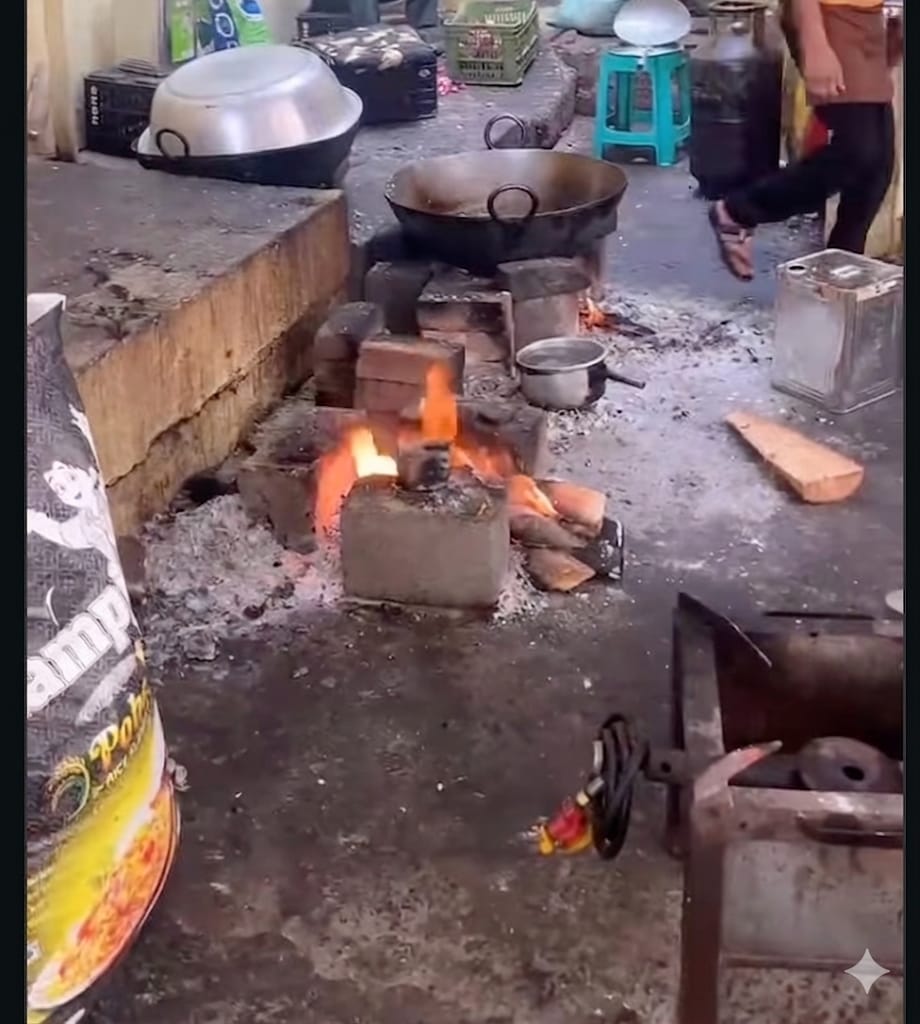
Nagpur’s street-side tea stalls, samosa corners, and popular poha outlets are facing a tough time as commercial LPG shortages and rising prices disrupt daily operations. Iconic local spots like Joshi Samosa, Ramji Shamji Poha, and several tarri poha shops have had to scale back or shift to alternative cooking methods to keep serving customers.

The crisis comes amid global supply disruptions linked to the ongoing Iran–Israel conflict, which has affected LPG availability and pushed commercial cylinder rates sharply higher. Vendors across the city are reporting limited allocations, with many receiving just one cylinder per day instead of the usual five or six, forcing them to reduce production or change cooking methods.

Some shops have turned to electric induction stoves and no-gas alternatives, especially for breakfast staples like poha and misal. Traditional items such as deep-fried samosas and sweets, however, are harder to produce without LPG, affecting both quality and volume. Smaller street stalls are particularly vulnerable, operating in survival mode with remaining cylinders expected to last only a few days.
Several vendors have temporarily closed or cut down operations. Dharampeth’s Joshi Samosa, for instance, has scaled down its offerings since March 13, serving only morning tea and poha cooked on electric stoves. Similarly, sweet shops have reduced output, stopping preparation of high-gas items like deep-fried sweets to conserve fuel.
The shortage has also impacted employment and business sustainability, with stall owners worried about rent, salaries, and overhead costs. Many are considering switching to wood or coal out of necessity, despite concerns over taste, hygiene, and customer expectations.
With the LPG crisis showing no immediate signs of easing, vendors across Nagpur are balancing limited fuel, rising costs, and maintaining service, highlighting the wider ripple effects of global supply disruptions on local businesses.
👉 Click here to read the latest Gujarat news on TheLiveAhmedabad.com