
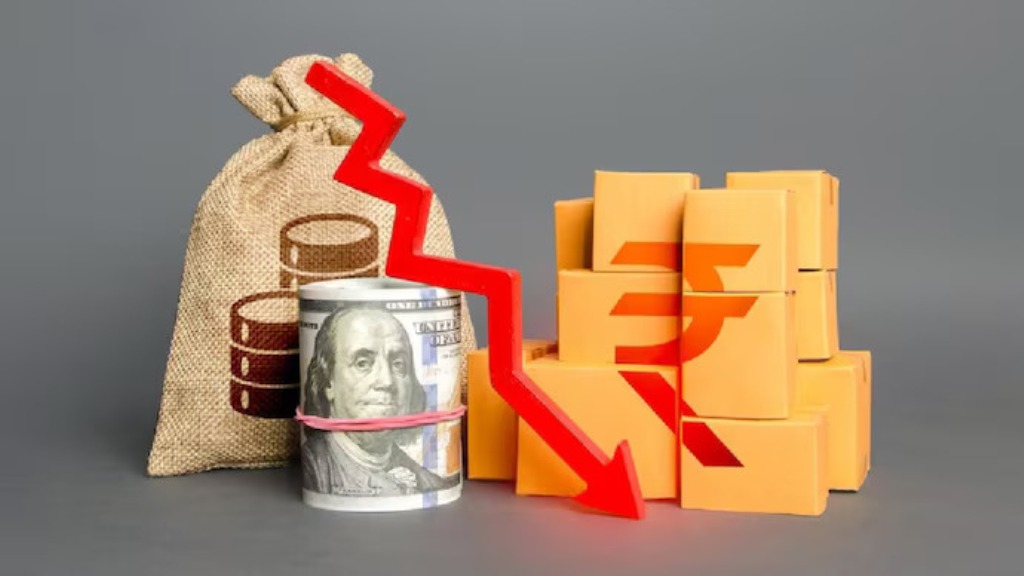
The rupee fell to 94.1575 against the dollar during the day, breaching its previous record low of 93.98 recorded earlier this week.

The rupee fell to a record low on Friday, slipping past the 94 mark against the US dollar, as concerns over the ongoing Middle East conflict continued to weigh on global markets.

The currency dropped to 94.1575 per dollar during the day, breaching its previous all-time low of 93.98 recorded earlier this week. Since the conflict began late last month, the rupee has weakened by around 3.5%, highlighting sustained pressure on the Indian currency.
ENERGY CRISIS ADDS TO PRESSURE
The decline in the rupee is largely driven by fears of a prolonged energy supply disruption. The conflict in the Middle East has heightened concerns over continued oil supply constraints.
India, being heavily dependent on oil imports, faces a rising import bill when global crude prices increase. This, in turn, puts pressure on the rupee as demand for dollars rises to pay for imports.
Crude oil prices have remained above $100 per barrel, adding to market concerns.
The surge in oil prices has impacted not just currencies but also global equities and bond markets. Stock markets worldwide have come under pressure, while bond yields have risen, reflecting investor concerns over inflation and economic growth.
For India, the situation is being closely monitored, given its position as one of the world’s largest energy importers.
GROWTH AND INFLATION WORRIES
Analysts have begun trimming India’s growth forecasts due to the ongoing situation. There is also speculation that the Reserve Bank of India may need to raise interest rates over the next 12 months.
Higher oil prices could fuel inflation, potentially prompting policy action from the central bank.
Even if the conflict eases, risks are expected to persist. Some global firms believe the rupee may weaken further in the coming months. Bernstein has indicated that the currency could fall to around 98 per dollar this year.
The pressure is likely to stem from India’s current account balance, which could deteriorate further if oil prices remain elevated.
For now, the rupee remains under strain, with its trajectory largely dependent on global developments, particularly oil prices and the evolving situation in the Middle East.
👉 Click here to read the latest Gujarat news on TheLiveAhmedabad.com