
At just 6 months old, Riya’s parents noticed something was not right. She was not gaining weight, her stomach looked swollen, and she appeared weak and pale. Like many families, they assumed it was simple anemia and started iron supplements. However, instead of improving, her condition worsened.
At 7 months, a blood test revealed a critical situation — her hemoglobin level was just 2.8 g/dL. She was immediately referred to specialists in Nagpur, where further testing confirmed Beta Thalassemia Major, a serious genetic blood disorder.
Doctors at Wockhardt Hospitals Nagpur explain that this condition often goes undetected early because parents are unaware they are carriers. Riya’s parents had no symptoms and no family history, yet both were thalassemia carriers. This silent condition leads to thousands of children being born with thalassemia in India every year.
From the age of 8 months, Riya’s life revolved around blood transfusions. Every 20–22 days, she needed blood to survive. Over the next 13 years, she received more than 390 units. Her childhood was very different from others. Festivals, school exams, and outings were all planned around hospital visits.
She recalls, “My memories are of hospital beds, cartoons during transfusions, and nurses who became like family.”
Frequent transfusions also brought a hidden danger — iron overload. Excess iron starts accumulating in vital organs like the heart and liver, causing long-term damage. By the age of 5, Riya’s iron levels had risen dangerously high. She began chelation therapy to remove excess iron.
Initially, this meant using a pump for nearly 10 hours every night. “Sleeping with a needle was very painful. I used to cry every night,” she says. Later, she shifted to oral medication, but the treatment continued for years. By age 12, complications had already begun, including early liver damage, iron deposits in the heart, and delayed growth.
Managing thalassemia was not just physically exhausting but also financially challenging. Her treatment cost nearly ₹28,000 per month. Her father, a school teacher, faced constant financial pressure. With support from NGOs and initiatives associated with Wockhardt Hospitals Nagpur, some of the burden was reduced, but the journey remained difficult.
In 2023, hope finally arrived. Riya’s younger brother was found to be a perfect match for a bone marrow transplant — the only permanent cure for thalassemia. The decision was not easy, as the risks were high, but lifelong transfusions were not a sustainable solution.
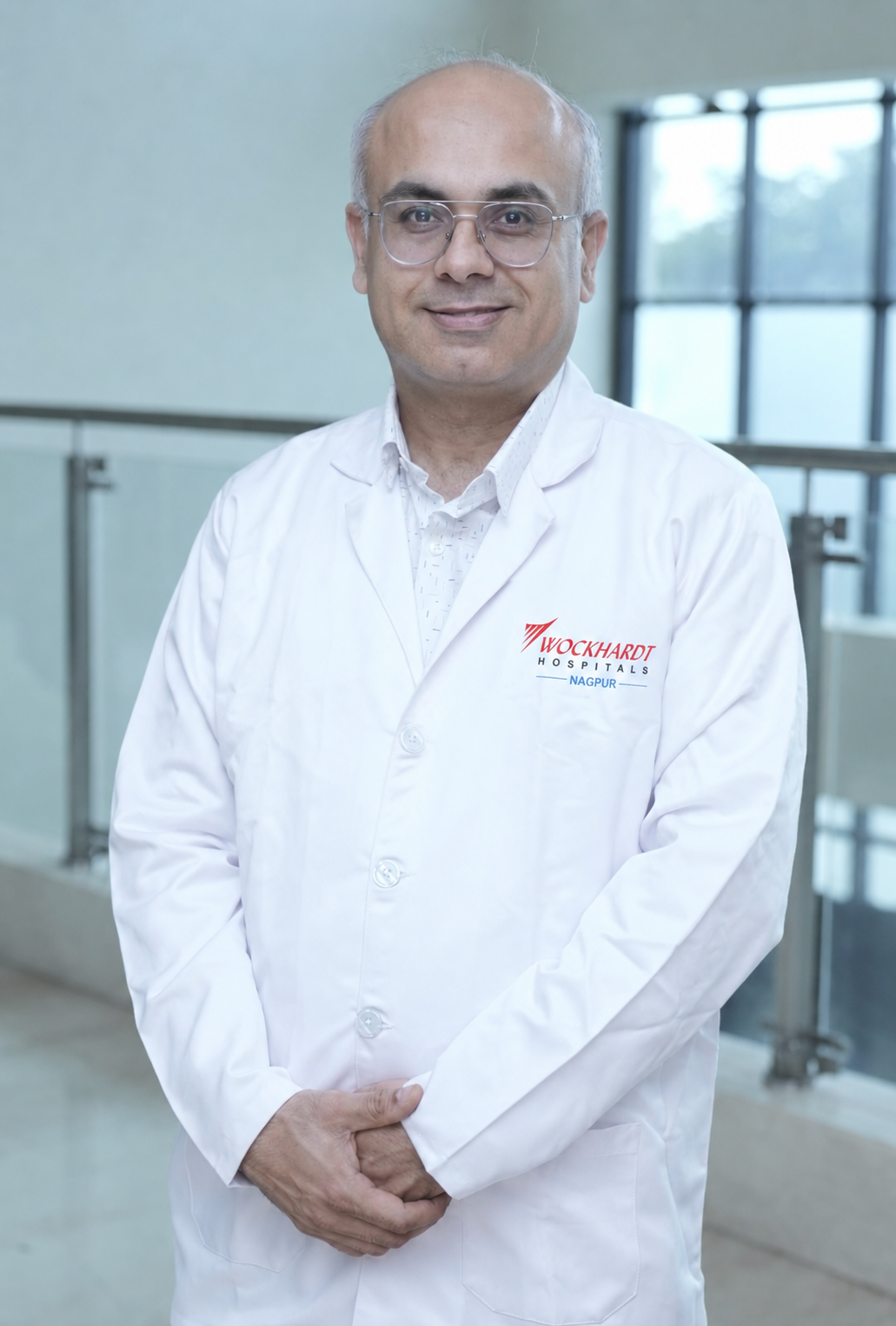
As explained by Dr. Rahul Arora, hematology expert associated with Wockhardt Hospitals Nagpur, “While transplant can cure thalassemia, prevention is equally important. Many families are unaware they are carriers until it is too late.”
The transplant was performed in Mumbai with support from government schemes and organizations. Although there were some complications, they were carefully managed with continuous follow-up and expert care.
By early 2024, Riya’s reports showed 100% donor cells — meaning she was cured. Today, she is a Class 11 science student preparing for NEET. Her hemoglobin levels are normal, and she no longer requires transfusions or iron-removal therapy. After years of struggle, she now has a chance to live a normal life.
Riya shares a powerful message: “I am not a thalassemia patient anymore — I am someone who survived it. I want to become a doctor and help children like me. But I don’t want more children to go through this.” She adds, “Before marriage, get a simple HbA2 test. It costs very little but can prevent this disease. And please donate blood — people like you kept me alive.”
Doctors at Wockhardt Hospitals Nagpur, including Dr. Rahul Arora, highlight that many children in Vidarbha are still living with thalassemia, and awareness about screening remains very low.
Thalassemia is preventable — awareness is the key. Riya’s journey is a story of courage, struggle, and hope. More importantly, it is a reminder that a simple test today can save generations tomorrow.

👉 Click here to read the latest Gujarat news on TheLiveAhmedabad.com