
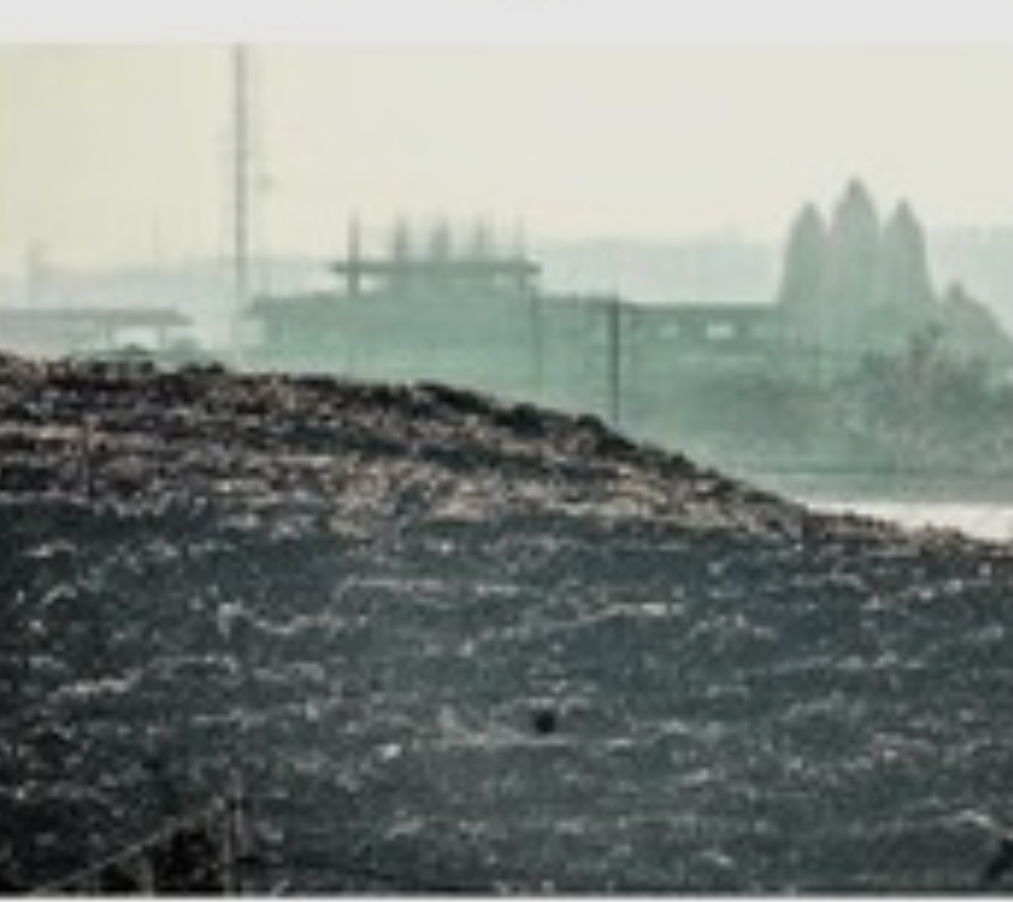
The issue of waste management has come under renewed scrutiny following the recent garbage mound collapse in Pune that claimed nine lives. In Nagpur, residents living near the Bhandewadi dumping yard continue to endure foul odour and health concerns, especially during the monsoon season.

More than 1,500 families residing in Surjanagar, New Surjanagar, Abbumiya Nagar, Tulsinagar, Gondpura and Gond Mohalla, located near the dumping yard, have raised concerns over the worsening conditions. Residents say inadequate spraying of chemicals during the bio-mining process allows a strong stench to spread across a three to four-kilometre radius, affecting thousands of households.

The issue was raised by ruling party corporators during the last Nagpur Municipal Corporation (NMC) general body meeting. However, residents allege that the civic administration has failed to take effective action, reportedly citing the monsoon as the reason for delays.
Experts say disturbing old waste during bio-mining releases foul gases, which can be controlled only by applying the prescribed quantity of odour-neutralising chemicals and microbial cultures.The Bhandewadi dumping yard receives around 1,350 to 1,400 metric tonnes of waste every day from across the city, but only 800 to 900 metric tonnes are processed.
The large backlog of legacy waste is being cleared at a slow pace, adding to the problem.Although the NMC claims to have achieved 100% door-to-door waste collection, residents say the city’s waste management system still falls short.
The civic body spends between ₹250 crore and ₹300 crore annually on waste collection, transportation and processing through private agencies, including AG Enviro and BVG India. Despite the substantial expenditure, many areas continue to face persistent garbage and pollution-related issues.
👉 Click here to read the latest Gujarat news on TheLiveAhmedabad.com