
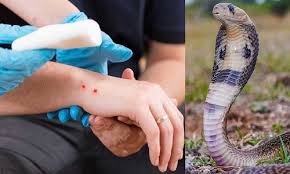
Even as rising snakebite cases triggered concern across rural and urban pockets of the district, Government Medical College and Hospital (GMCH) Nagpur has recorded an impressive 97% survival rate, saving hundreds of lives through rapid and advanced treatment. From January to November, the hospital treated 437 snakebite patients, losing only 10, including one child.

Doctors say the surge in cases is closely linked to environmental changes. Shrinking forests, thinning shrub cover and disturbance of natural prey have pushed snakes closer to farms, orchards and human settlements. During monsoon, when snake burrows flood, the reptiles emerge seeking shelter and food — a pattern clearly visible in the data. June to October alone accounted for 326 cases, nearly 75% of all incidents.

September was the most dangerous month, with 72 reported snakebites and two deaths. Six of the year’s ten fatalities occurred between August and November, making the late monsoon period the riskiest.
Despite the surge, the hospital’s mortality rate stands at only 2.2%, a number doctors credit to quick availability of anti-snake venom, upgraded ICUs and prompt emergency response protocols. The time-sensitive nature of treatment has been the biggest lifesaver, they say.
“Monsoon months always show a spike, but the fact that so many lives were saved reflects the speed and quality of treatment available at GMCH,” said Dr. Avinash Gawande, Medical Superintendent. “People must reach a hospital immediately after a bite and avoid superstition and home remedies. Quick medical care is the only way to prevent deaths.”
As the city prepares for another cycle of winter farming activity — a time when snakes often resurface — doctors are urging citizens to remain alert and seek professional help without delay.
👉 Click here to read the latest Gujarat news on TheLiveAhmedabad.com